

Coffee Grinders: How to Choose the Right Grinder for Your Routine
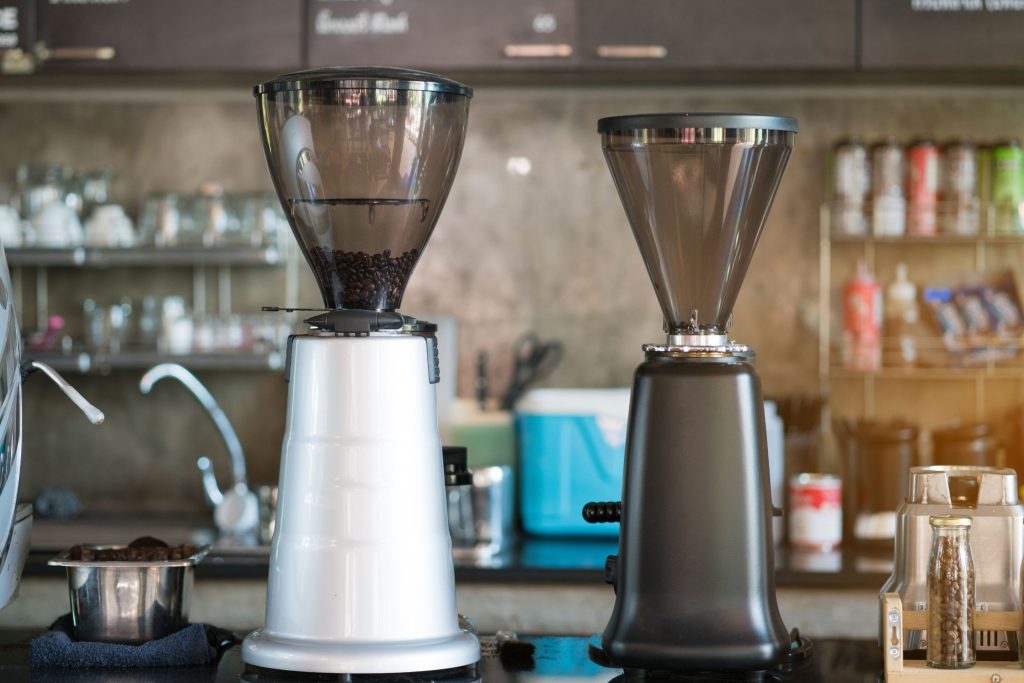
For a long time, I made coffee the way a lot of people do at home. I bought decent beans. I filtered the water. I used a brewer I liked. On paper, it should have worked.
But the coffee never quite landed.
Some days it was bitter. Other days it tasted flat or thin. Most of the time, it was drinkable, but never as good as I thought it should be.
What changed things for me was not a new brewer or a more complicated recipe. It was grinding my own beans with a better grinder. Not because grinding is some hidden trick, but because it gave me control over one of the biggest variables in brewing.
That is what this guide is about. If you are trying to understand what coffee grinders actually do, why they matter, and how to choose one that fits your kitchen and your routine, this is the place to start.
This page is meant to be a practical foundation. I will cover the basics clearly, then point you toward the more specific guides depending on what you brew and what kind of setup you want.
Start here (pick what you need)
f you already know what you need, start with one of these:
- Want the main picks? Read Best Coffee Grinders for Home
- Choosing between hand grinding and push-button convenience? Read Manual vs Electric Coffee Grinders
- Trying to keep the cost sensible? Read Best Coffee Grinders Under $100
- Making espresso at home? Read Best Coffee Grinders for Espresso
- Need help with grind size and taste? Read How to Dial In Grind Size
- Want a simple upkeep routine? Read Grinder Cleaning & Maintenance
- Trying to understand burr types? Read Burr Types Explained
The 60-second grinder picker
If you answer these honestly, you will usually know what kind of grinder makes sense.
What do you brew most often?
If it is mostly pour-over or drip, you want a grinder with solid medium-range consistency.
If it is mostly French press or cold brew, you want one that can grind coarse cleanly without too many fines.
If it is mostly espresso, you need finer, more repeatable adjustments than many entry-level grinders can manage.
If you switch between methods, flexibility matters more than chasing the most specialized option.
How much coffee do you make at once?
If you usually make one or two cups, a manual grinder is realistic.
If you brew for a household or full pot most mornings, an electric grinder usually fits daily life better.
What is your biggest constraint?
If it is noise, manual grinders are the quietest.
If it is counter space, compact manual grinders or slimmer electric models make more sense.
If it is travel or office use, manual grinders are usually easier to live with.
What do you want your mornings to feel like?
If you want fast and automatic, an electric burr grinder is the practical choice.
If you like quiet and slower, a manual burr grinder can be genuinely satisfying.
If you are not sure yet, a straightforward entry-level electric burr grinder is often the easiest place to begin.
Why coffee grinders matter more than most people expect
When people first get into home coffee, grinders can sound like a gear obsession. I used to think that too.
What changed my mind was understanding that brewing is really an extraction problem. Water pulls flavour from coffee, and the size of the grounds affects how evenly that happens.
When the grind is uneven, some particles are too small and extract too quickly. Those can taste bitter. Others are too large and extract too slowly. Those can taste sour, weak, or hollow.
You end up with both problems in the same cup.
That is why the grinder matters. It is not about being fussy. It is about making the rest of your setup work properly. In my experience, a better grinder improved my coffee more than upgrading brewers, kettles, or most other gear.
What actually matters when you’re choosing a grinder
There are plenty of specs in grinder reviews, but for most home brewers, a few things matter much more than the rest.
1. Consistency
This is the big one.
A grinder that produces grounds that are mostly the same size will usually give you a cleaner, more balanced cup. That matters for every brew method, but you notice it especially in pour-over and espresso.
If a grinder is inconsistent, you can spend a lot of time adjusting recipes and still feel like your coffee never settles down.
2. Grind range
Different brew methods need different grind sizes.
French press and cold brew sit toward the coarse end.
Drip and pour-over usually live around medium to medium-fine.
Moka pot goes a bit finer.
Espresso needs very fine, repeatable control.
A grinder does not have to do everything perfectly. It just needs to do your most-used range well.
3. Workflow
A grinder can be technically good and still annoy you every morning.
Think about how it fits into your routine. Is it easy to adjust? Easy to load? Easy to empty? Does it make a mess? Is it simple enough that you will use it without resentment when you are half awake?
That matters more than people admit.
4. Noise and size
Some grinders are loud enough to wake the house. Some take up more room than they deserve.
If you live in a small apartment, share a kitchen, or brew early, noise and footprint are not side notes. They are part of whether the grinder actually suits your life.
5. Maintenance
Most grinders do not need much, but some are easier to clean than others.
In general, simple designs age better. Fewer awkward corners, fewer fussy parts, less frustration over time.
If you want a simple cleaning routine, here’s mine: Coffee Grinder Cleaning & Maintenance: How to Keep Your Grinder (and Coffee) in Good Shape
Burr vs blade grinders (the first real decision)
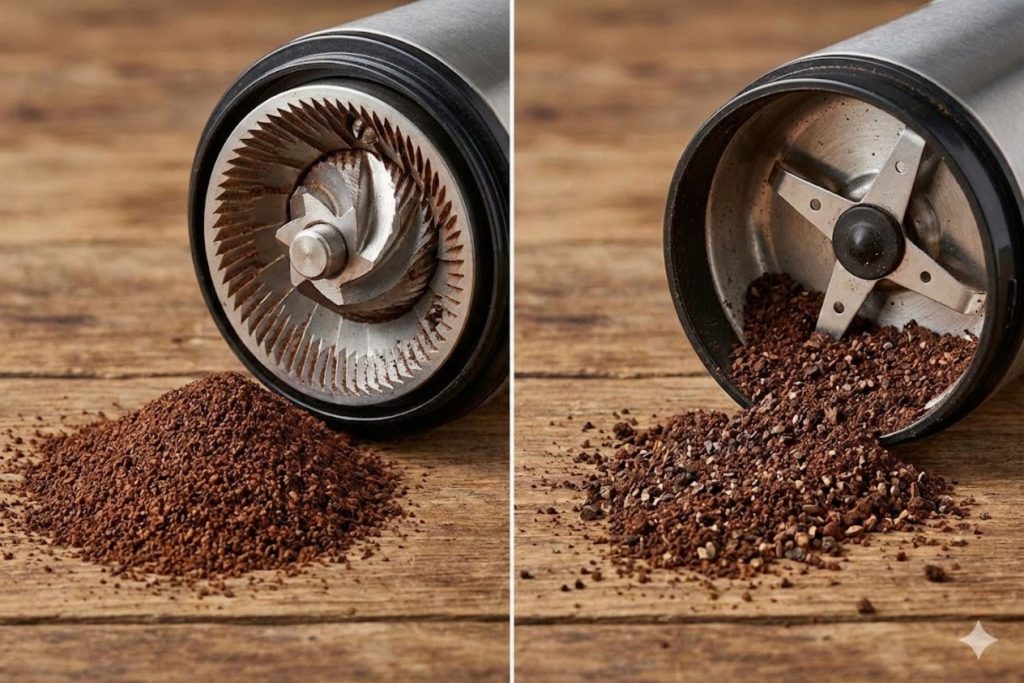
If you are only going to remember one thing from this page, let it be this: burr grinders are the better starting point for anyone who wants consistently better coffee at home.
lade grinders use spinning blades to chop beans unevenly. That gives you a mix of dust and chunks, and there is not much real control involved. You can make coffee with a blade grinder, but the results tend to bounce around.
Burr grinders crush the beans between two burrs set at a specific distance apart. That gives you a much more even grind and a more predictable brew.
I used a blade grinder early on, and at the time I thought it was good enough. Looking back, it was the bottleneck. Once I switched to a burr grinder, even a fairly basic one, the coffee became easier to understand and easier to improve.
If you want the deeper comparison, read Burr vs Blade Grinders.
Flat burr vs. conical burr (worth knowing, not worth stressing over)
Once you start looking at burr grinders, you will see two common types: flat burr and conical burr.
Flat burrs are often associated with higher-end grinders and can offer very uniform results, especially in espresso-focused setups.
Conical burrs are common in home grinders, usually quieter, and often more forgiving across a wider range of brew methods.
For most beginners and intermediate home brewers, this should not be the main thing driving the decision. Burr quality, adjustment range, build quality, and how the grinder fits your routine matter more than the shape alone.
If you brew pour-over, drip, moka pot, or French press, there is no need to obsess over this. If you are deep into espresso, it starts to matter more. For the full breakdown, read Burr Types Explained.
If you’re choosing your first burr grinder, start here: The Best Coffee Grinder for Perfect Home Brewing
Manual vs electric grinders (choose the one you will actually enjoy using)
This is where preference and routine matter just as much as cup quality.
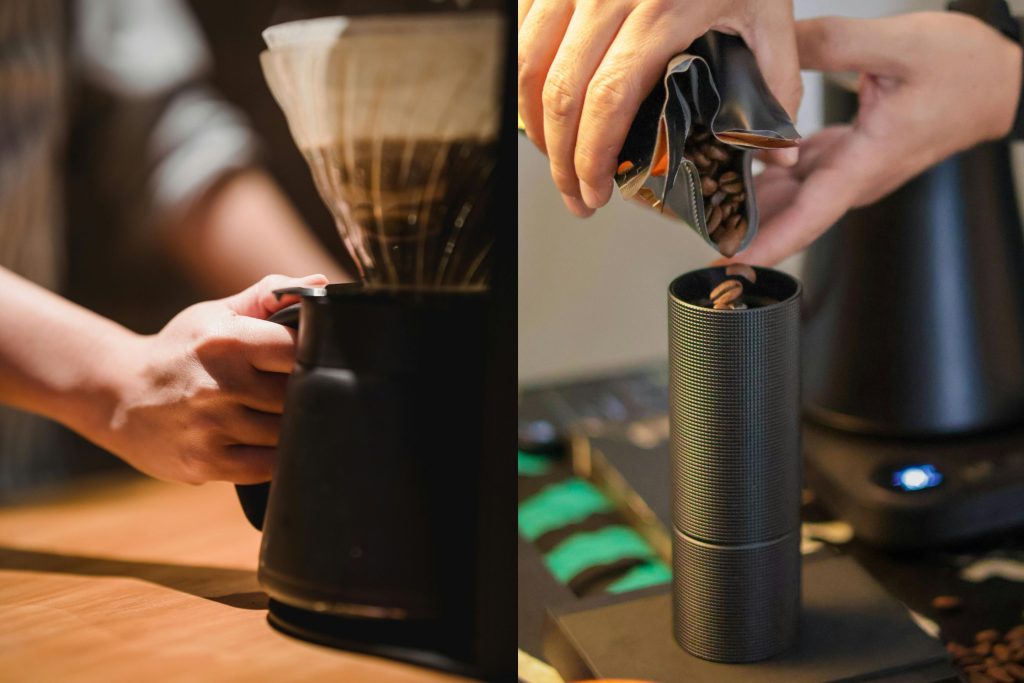
Manual grinders make sense when:
- you brew one or two cups at a time
- you want quiet mornings
- you have very limited counter space
- you travel often
- you do not mind a slower, hands-on routine
A good manual grinder can offer excellent value. In many cases, it gives you better grind quality for the money than a cheap electric grinder.
Electric grinders make sense when:
- you brew every day and want speed
- you make coffee for more than one person
- you do not want the effort of hand grinding
- you want the easiest daily workflow
- espresso is part of the plan
Electric grinders are the practical default for most households. They are not always better in pure value terms, but they are often easier to live with long term.
If this is the decision you are stuck on, read Manual vs Electric Coffee Grinders.
Different grinders fit different people
A grinder does not have to be perfect in general. It has to suit the way you actually make coffee.
If you mostly brew drip or pour-over
Look for consistent medium grinding, sensible adjustments, and a workflow that feels easy day to day. This is where many home grinders perform best.
If you brew French press or cold brew often
Clean coarse grinding matters more than people think. Too many fine particles can make these brews muddy or harsher than they should be.
If you make coffee for more than one person
Convenience starts to matter more. Hand grinding enough coffee every morning can get old quickly, even if you like the ritual.
If you have a small kitchen
A compact grinder can make a big difference. In smaller spaces, gear that stores easily tends to get used more willingly.
If espresso is your main goal
This is the point where grinders become more specialized. Espresso shows flaws quickly, so fine adjustments and consistency matter more here than they do for most other brew methods. If that is your path, go straight to Best Coffee Grinders for Espresso.
Quick grind size cheat sheet
This is just a simple orientation. The actual setting depends on your grinder, beans, and recipe.
- French press / cold brew: coarse
- Drip coffee: medium
- Pour-over: medium to medium-fine
- Moka pot: medium-fine
- Espresso: fine and very precise
If your coffee tastes bitter, sour, weak, or muddy, grind size is often part of the answer. For that, read Coffee Grind Size Chart and How to Dial In Grind Size.
What budget changes in real life
Price matters, but it helps to think in terms of what you gain, not just what you spend.
Under $75
This is where compromises show up more clearly. You may see more inconsistency, clunkier adjustments, more static, and more frustration over time.
Around $75 to $150
This is where many people start feeling a real improvement. You usually get better consistency, easier adjustments, and a smoother daily experience.
Around $150 to $300
For a lot of home brewers, this is the sweet spot. You tend to get stronger build quality, better longevity, and a grinder that feels easier to trust every morning.
Espresso budgets
Espresso usually pushes the budget higher because the grinder needs to be more precise and repeatable. It is the brew method that asks the most from the grinder.
For more help deciding where your money is best spent, read How Much Should You Spend on a Grinder?
A few details you do not need to obsess over yet
Once you start reading grinder reviews, you will run into terms that sound bigger than they are for most home brewers.
Grind retention is the coffee left inside the grinder between uses.
Static is when grounds cling to surfaces or scatter more than you want.
Single dosing means weighing each dose separately instead of storing beans in a hopper.
Calibration drift refers to settings shifting over long periods of use.
These things are real, but for most beginners they are not the first problems to solve. Do not let coffee forums make this feel more complicated than it needs to be.
When you might not need to upgrade yet
Not everyone needs a new grinder immediately.
If you already have a decent burr grinder, mostly brew drip or French press, and your coffee tastes balanced and consistent, there may not be much urgency. Sometimes the next improvement is in freshness, water, ratio, or technique rather than a new piece of gear.
That is worth saying because coffee gear can make people feel behind when they are not.
If you are unsure, read When You Don’t Need to Upgrade Your Grinder.
Key takeaways
If you remember nothing else, remember this:
A grinder has a bigger effect on coffee than many people expect.
Burr grinders are the better choice for most home brewers.
The right grinder depends on your brew method, routine, space, and budget.
Manual grinders are great when quiet, compact, and portable matters most.
Electric grinders are usually the easiest fit for daily home use.
Espresso needs more grinder precision than other brew methods.
You do not need the most expensive grinder. You need one that fits real life and gives you consistent results.
Common questions I’ve heard from people starting out
Is grinding at home really better than buying pre-ground?
Yes. Even with a basic grinder, you get fresher coffee and more control over extraction. Pre-ground coffee is convenient, but it starts losing flavor the moment it’s ground. If you care enough to read a guide like this, you’ll notice the difference.
Can I use one grinder for everything?
Mostly. A decent burr grinder can handle drip, pour-over, French press, and even moka pot without much trouble. Espresso is the outlier. It needs finer, more precise adjustments than other methods, and not all grinders can do it well.
Are manual grinders actually good enough?
For one or two cups, absolutely. Some manual grinders rival electric models that cost twice as much in terms of grind quality. The limitation is effort and capacity, not performance.
Do I need to spend a lot to get good coffee?
No. Consistency matters more than price. A $100 burr grinder will give you better coffee than a $20 blade grinder, but a $500 grinder might not be twice as good as a $250 grinder. There are diminishing returns. Spend what makes sense for your budget and your routine.
How often should I clean my grinder?
I do a light cleaning every week or two—just brushing out loose grounds and wiping down the burrs. Once a month, I take it apart for a deeper clean. It depends on how oily your beans are and how often you use it, but regular maintenance makes a difference.
Will a better grinder actually make my coffee taste better?
If you’re currently using a blade grinder or pre-ground coffee, yes. The improvement is real and noticeable. If you’re already using a decent burr grinder, upgrading might give you incremental improvements, but the jump won’t be as dramatic.
Where to go next
If you are ready to narrow things down, start with the guide that matches your situation:
- Best Coffee Grinders for Home (Top Picks by Use Case)
- Manual vs Electric Coffee Grinders (Practical Comparison)
- Best Coffee Grinders Under $100 (What’s Worth It)
- Best Coffee Grinders for Espresso (Dial-In Friendly Picks)
- How to Dial In Grind Size (Fix Bitter/Sour Coffee)
- Coffee Grinder Cleaning & Maintenance (Simple Schedule)
- Best Manual Coffee Grinders (Travel + Small Kitchens)
Each of these builds on what you’ve learned here and goes into more specific detail for people who want to refine particular aspects of their setup.
Final Thoughts
A good grinder does not have to turn coffee into a hobby. It just makes the rest of the process easier to trust.
Once the grind becomes more consistent, everything else starts to make more sense. Your brews taste clearer. Your adjustments feel more predictable. You stop wondering why the same coffee can taste so different from one day to the next.
That is why I see the grinder as the foundation of a home setup, not an extra.
You do not need the fanciest one. You do not need café gear. You just need a grinder that suits your routine, fits your space, and helps you make coffee you genuinely enjoy drinking.
If you want, the next step should be Best Coffee Grinders for Home, since that is the most natural follow-on page from this pillar.
- Start here (pick what you need)
- The 60-second grinder picker
- Why coffee grinders matter more than most people expect
- What actually matters when you're choosing a grinder
- Burr vs blade grinders (the first real decision)
- Manual vs electric grinders (choose the one you will actually enjoy using)
- Different grinders fit different people
- Quick grind size cheat sheet
- What budget changes in real life
- A few details you do not need to obsess over yet
- When you might not need to upgrade yet
- Key takeaways
- Common questions I've heard from people starting out
- Where to go next
- Final Thoughts
- Related Articles
Related Articles
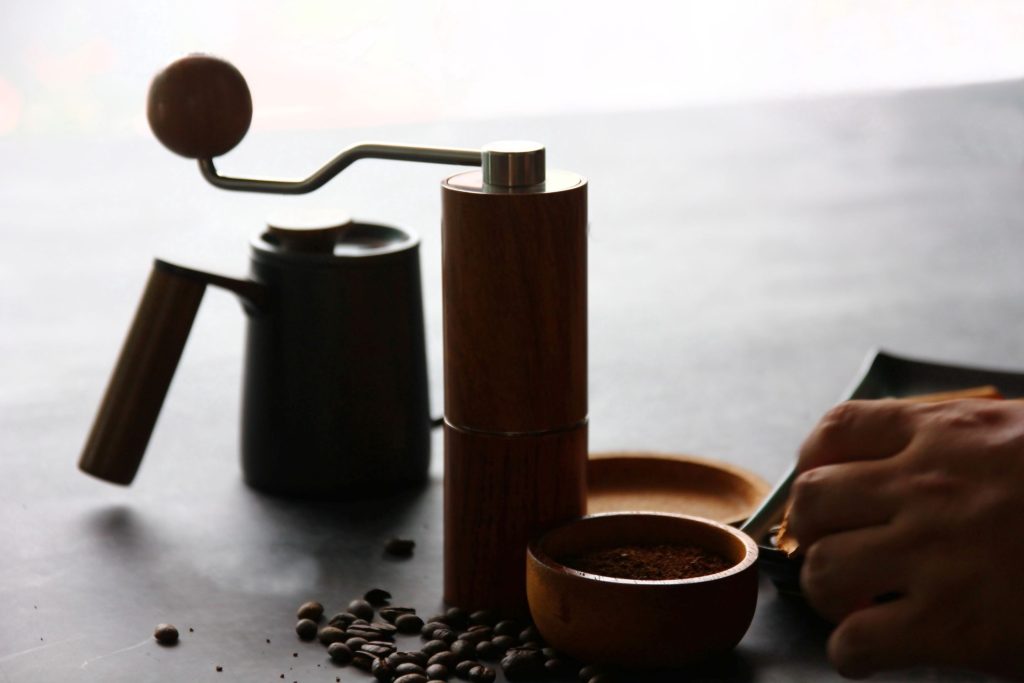
When you don’t need to upgrade your coffee grinder
I’ve had this thought more times than I can count when something is off –…
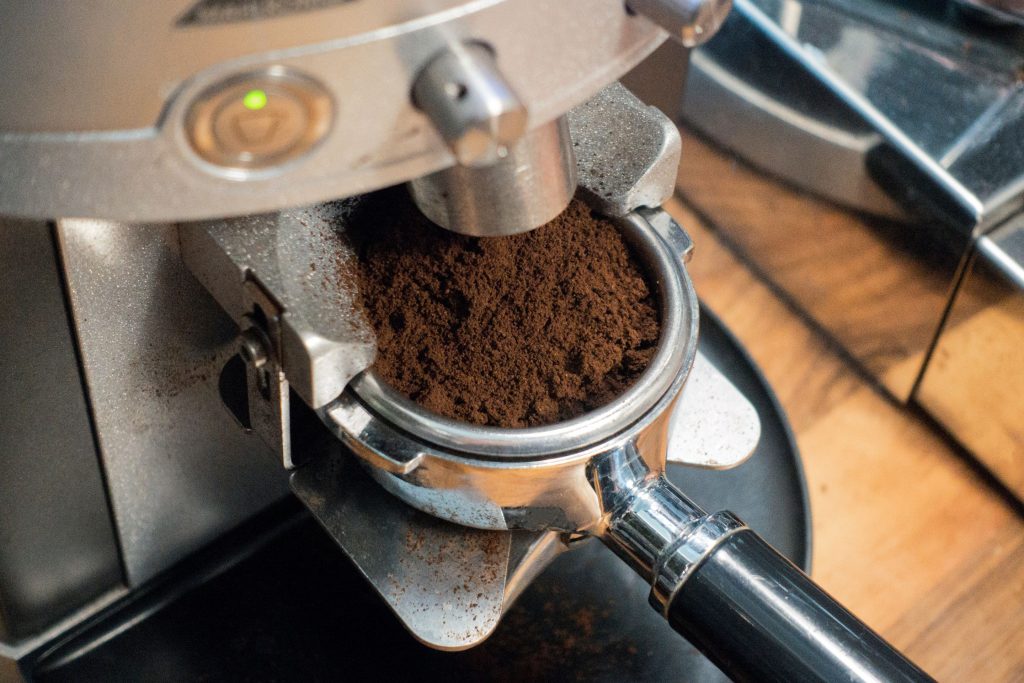
How Much Should You Spend on a Coffee Grinder? A Honest Guide for Home Brewers
If there’s one question I hear more than any other, it’s this: “How much should…
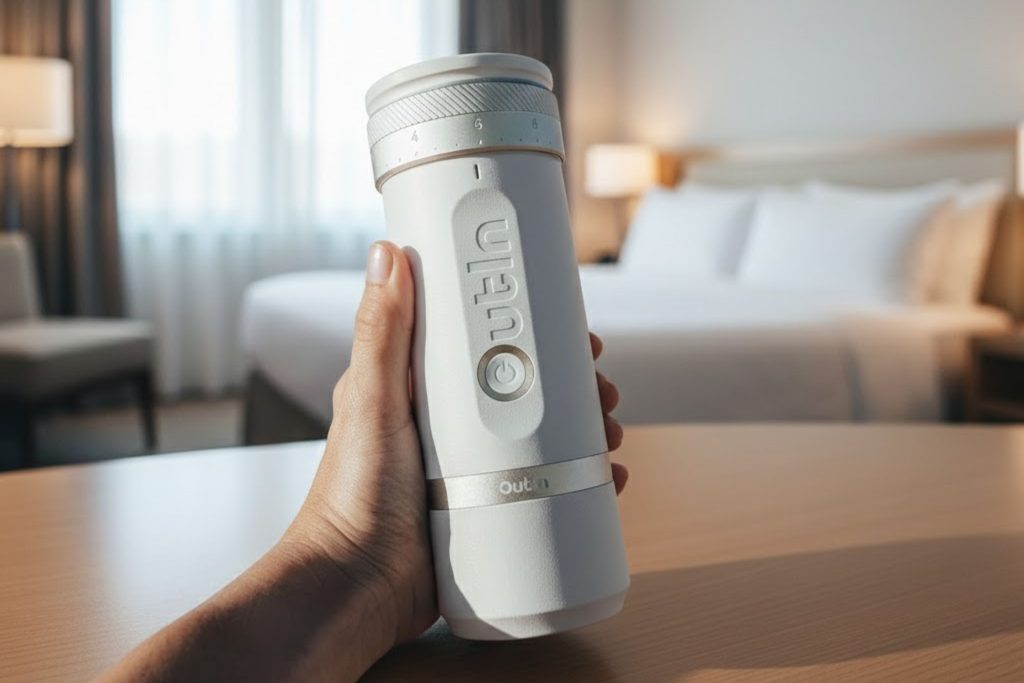
The 5 Best Portable Electric Coffee Grinders for 2026 (Quiet, Durable Picks I’d Actually Travel With)
If you’ve ever tried to make coffee in a small Airbnb kitchen with a dull…
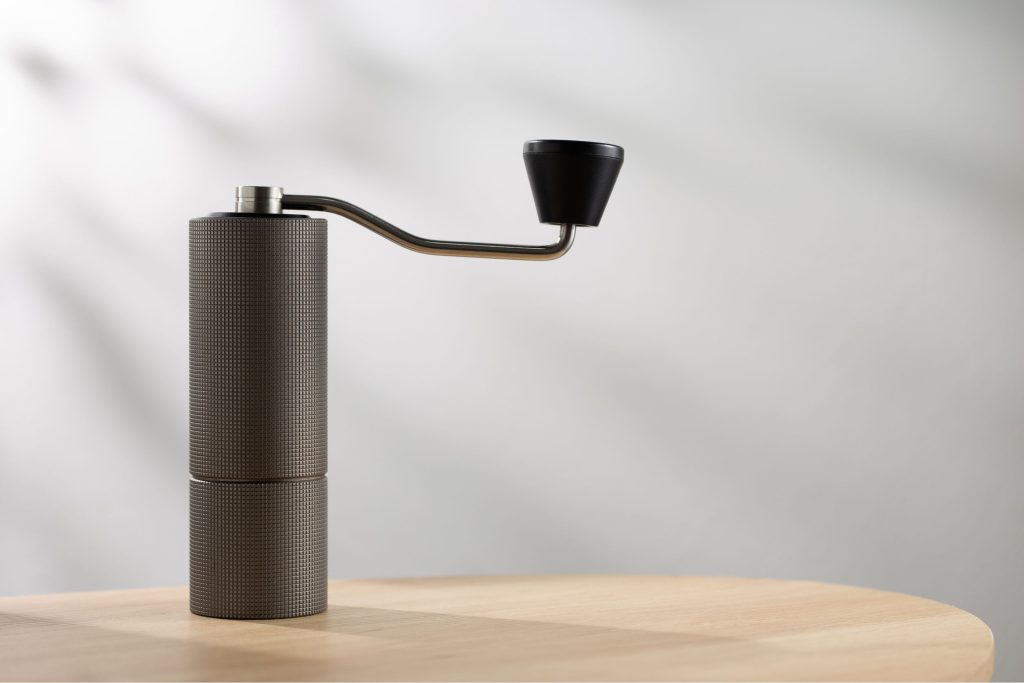
Best Manual Coffee Grinders for Travel and Small Kitchens (2026 Buyer’s Guide)
There was a stretch of time when my entire coffee setup fit into a backpack….
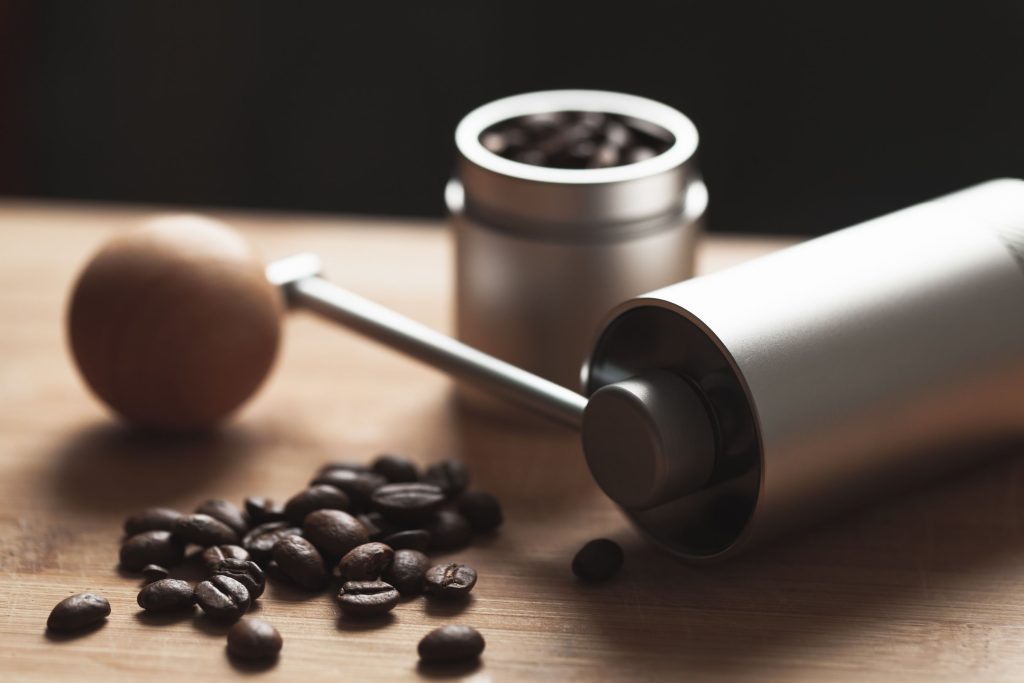
I’m on a Budget: Best Coffee Grinders Under $100
For a long time, I made coffee with decent beans and a perfectly fine brewer,…
Best Coffee Grinders for Espresso in 2026 (Dial-In Friendly Picks)
Espresso is where grinders stop being background gear and start becoming part of the process….