If there’s one question I hear more than any other, it’s this:
“How much should I actually spend on a coffee grinder?”
Not which brand.
Not which model.
Just… how much is reasonable.
For a long time, I avoided answering this question directly.
Not because it’s complicated but because most answers online turn it into something louder than it needs to be. Either you’re told to “buy once, cry once,” or you’re reassured that a cheap grinder is “good enough” without much explanation of the trade-offs.
The truth sits somewhere in between.
I’ve made coffee on grinders that cost less than a nice dinner out, and I’ve lived with grinders that took up half a kitchen counter. Over time, what became clear is this: how much you should spend on a grinder depends less on your taste aspirations and more on how you actually brew coffee day to day.
This guide is here to help you spend intentionally, not aspirationally.
Why grinder price matters more than almost any other coffee gear
BIf there’s one piece of equipment that quietly shapes your coffee more than the rest, it’s the grinder.
Not because expensive grinders are magical but because grind consistency affects extraction, and extraction affects flavor more than almost anything else you do at home.
A better grinder won’t fix stale beans or poor brewing habits. But once the basics are in place, it’s the difference between coffee that tastes:
- harsh one day, flat the next
- or steady, predictable, and easy to adjust
That’s why grinders are often the first real upgrade people notice.
Still, that doesn’t mean you need to spend a fortune.
The real question isn’t “how much,” it’s “what changes as you spend more”
Instead of starting with a budget, it’s more useful to look at price ranges and understand what actually improves at each level.
Here’s what I’ve consistently seen, both at home and when helping others dial in their setups.
Under $50: functional, but limited
This range includes:
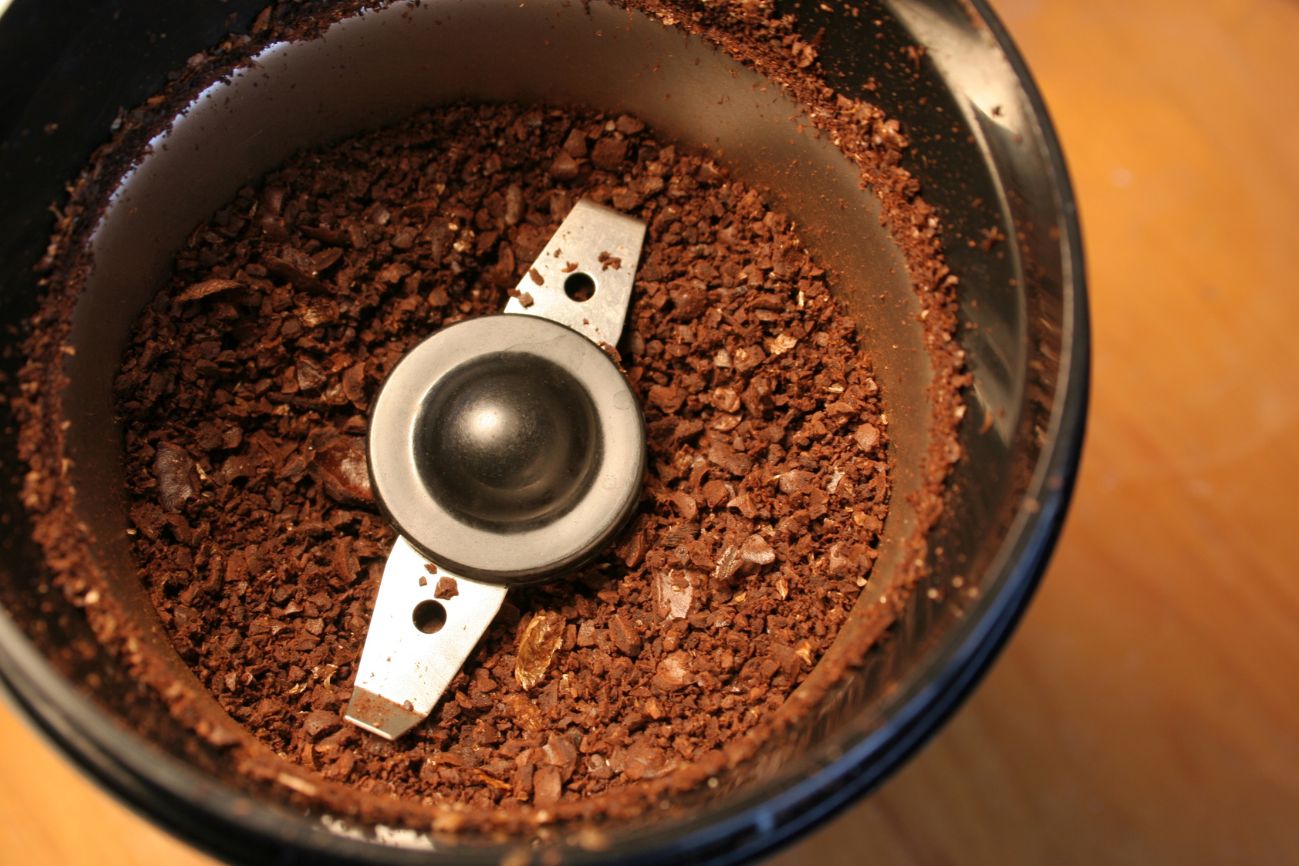
- Basic blade grinders
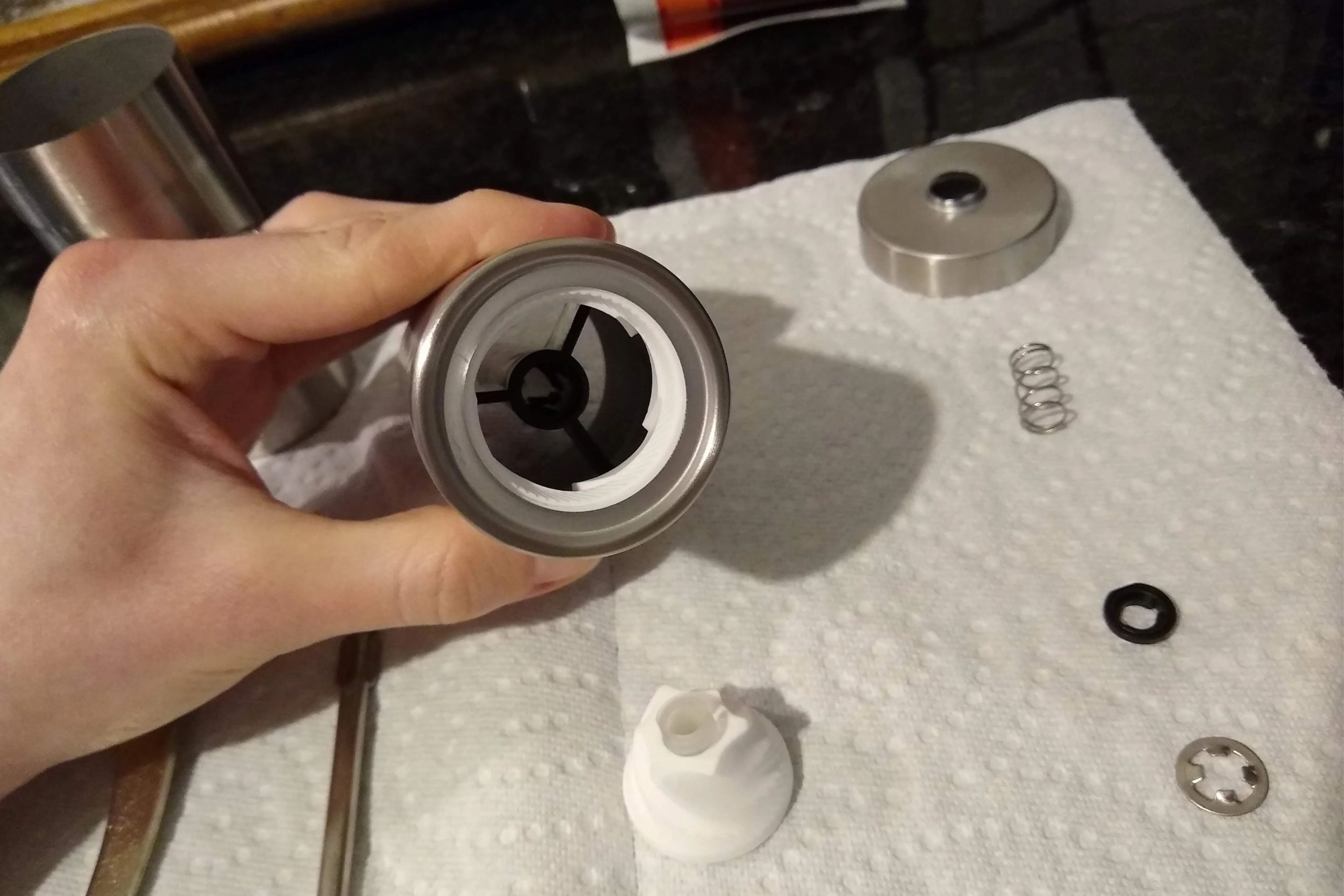
- Entry-level burr grinders with plastic internals
They’re inexpensive and easy to find, which is why many people start here.
What you get
- Beans that are technically “ground”
- Faster brewing than pre-ground coffee
- A small improvement in freshness
What you don’t get
- Consistency
- Control over grind size
- Repeatable results
I’ve used grinders in this range while traveling and in temporary kitchens. They can work if your expectations are realistic. You’ll likely be brewing French press, cold brew, or forgiving drip methods.
If you’re just testing whether grinding at home fits your routine, this range is defensible. But it’s also where people often feel stuck and frustrated.
$60–$120: the biggest quality jump for most people
For most home brewers, this is the most important price range.
This is where:
- Entry-level burr grinders become genuinely usable
- Manual grinders start to shine
- Grind consistency improves dramatically compared to blade grinders
What improves here
- More even particle size
- Better flavor clarity
- Less bitterness and muddiness
- The ability to taste changes when you adjust grind size
This is also where coffee starts to feel predictable. You make a change, and you can actually taste what happened.
I’ve made excellent coffee for years using grinders in this range, especially in small kitchens and apartments. For pour-over, AeroPress, French press, and standard drip coffee, this level is often more than enough.
For many people, this is where the grinder stops being the limiting factor. Is your budget max $100? Read on this Best Coffee Grinders Under $100
$120–$200: refinement, not transformation
This is where grinders get nicer — not necessarily more transformative.
What you’re paying for
- Better burr alignment
- Smoother adjustment mechanisms
- Quieter motors (for electric grinders)
- More durable materials
- Faster grinding
The coffee does improve, but subtly. You’re not suddenly drinking a different beverage. Instead, things feel calmer and more consistent.
I tend to recommend this range for people who:
- Brew daily
- Value smooth workflow
- Want fewer small frustrations over time
If you’re happy with your coffee now and just want things to feel easier, this range makes sense. If you’re expecting a dramatic flavor jump, it may disappoint.
$200–$400: diminishing returns for most home brewers
This is where expectations need to be grounded.
Above this range, improvements exist but they’re incremental, not foundational.
What you gain
- Extremely precise grind adjustments
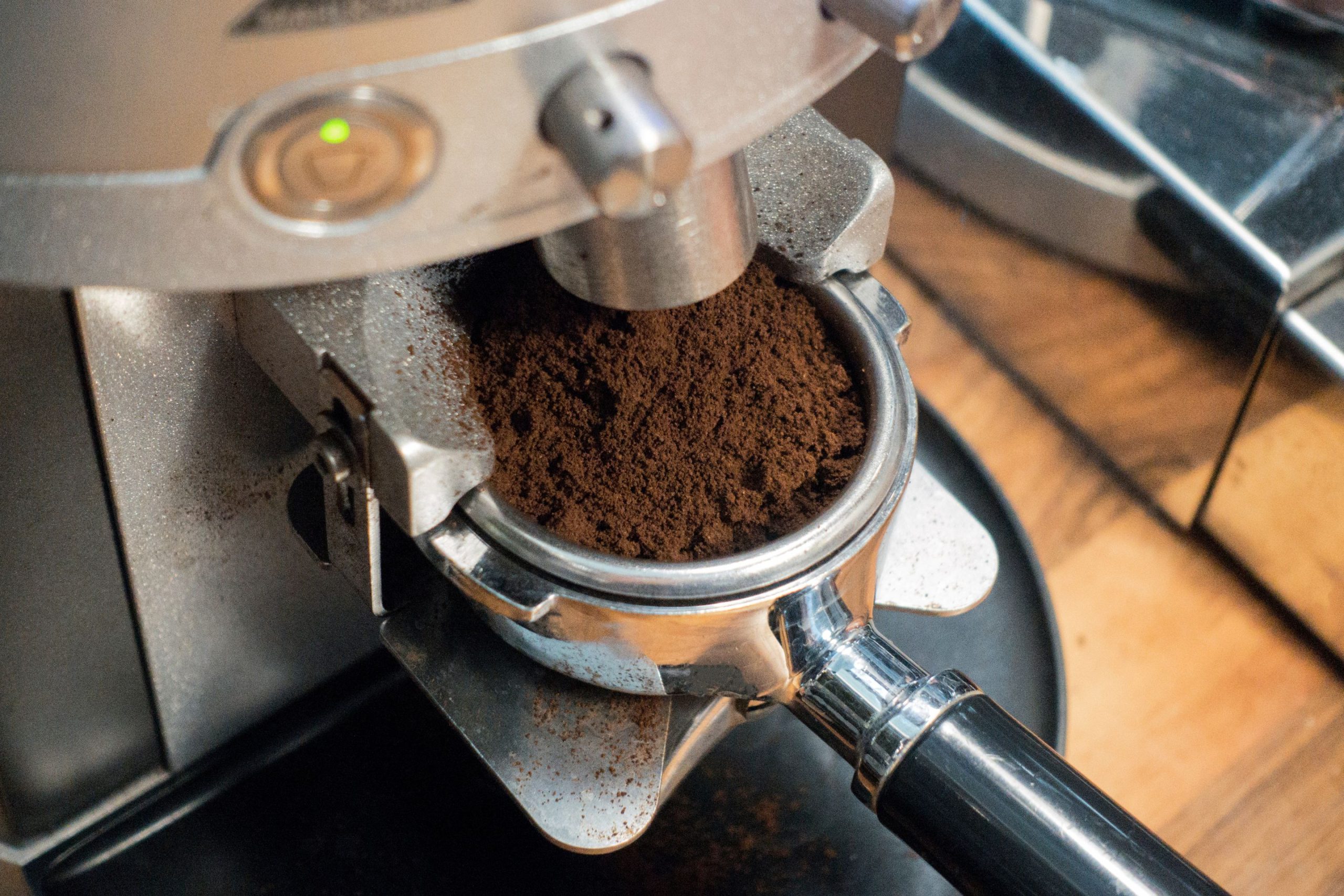
- Better performance for espresso
- Stronger motors and build quality
- More consistency shot to shot
What you don’t automatically gain
- Better taste if your brewing technique isn’t solid
- Better coffee if your beans aren’t fresh
- A noticeably better cup for casual brewing methods
If you brew mostly pour-over or French press and you’re happy with your coffee now, upgrading into this range may not change your mornings much.
Expensive grinders don’t fix fundamentals.
$400+: only if you already know the answer
At this level, you’re no longer asking, “How much should I spend?”
You’re asking:
- “Which compromises bother me?”
- “What workflow do I want?”
- “How quiet, fast, or precise do I need this to be?”
This is specialty territory. There’s nothing wrong with it—but it’s optional, not aspirational.
Most people do not need to be here to make excellent coffee at home.
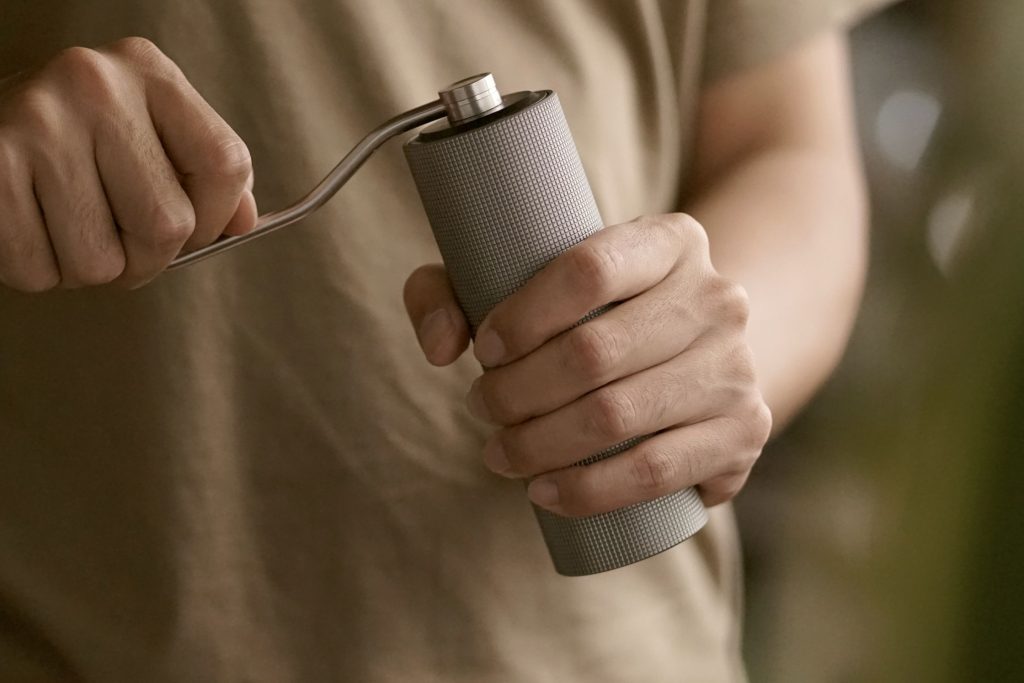
How your brew method affects how much you should Spend on a Coffee Grinder
This part is often overlooked.
If you brew pour-over, AeroPress, or drip
You benefit from consistency, but you don’t need ultra-fine precision.
Sweet spot: $80–$150
Beyond that, improvements are mostly about feel and build quality.
If you brew French press or cold brew
These methods are forgiving.
Sweet spot: $60–$120
Spending more rarely changes flavor in a meaningful way.
If you brew espresso at home
This is the exception.
Espresso is sensitive. Small grind changes matter, and consistency becomes critical.
Realistic starting point: $150+
Below that, frustration is common.
Even then, espresso rewards patience and learning more than money.
Manual vs electric: how this affects your budget
One quiet truth in coffee is this:
Manual grinders often outperform electric ones at the same price.
Without a motor to pay for, more of your money goes into burr quality and alignment. That’s why manual grinders are such strong value picks for small kitchens and travel setups.
Electric grinders earn their place through convenience, speed, and ease, not necessarily better coffee at lower price points.
If you’re brewing one or two cups at a time and don’t mind a little effort, a good manual grinder often lets you spend less without sacrificing quality.
If speed and routine matter more, electric grinders justify their price through ease, not flavor alone.
When spending more is not the right move
This matters just as much as when you should.
If your coffee tastes bitter, sour, or hollow, a more expensive grinder is not automatically the fix.
Before upgrading, it’s worth checking:
- Are your beans fresh?
- Are you adjusting grind size deliberately?
- Are your brew ratios consistent?
Sometimes the most effective improvement is learning how to use what you already have.
That’s why I often suggest reading this alongside:
A grinder upgrade works best when it’s supporting good habits, not replacing them.
A simple way to choose your budget
If you want a calm rule of thumb, here’s one I’ve found useful:
- Occasional brewer, minimal fuss: $60–$100
- Daily home brewer, most methods: $100–$200
- Espresso-focused or detail-oriented: $200+
Not as targets. Just as reference points.
Your ideal grinder is the one that:
- fits your kitchen
- fits your routine
- doesn’t make coffee feel like work
Final thoughts: spend with clarity, not pressure
A grinder should earn its place on your counter.
It shouldn’t make you feel behind, or like you’re waiting to upgrade before you’re “allowed” to enjoy your coffee.
For most people, the best money is spent moving out of the cheapest tier and into something consistent and reliable, not chasing the top end.
Good coffee is built from small, thoughtful decisions that add up over time.
And the right grinder budget is simply the one that supports that.