Buying the wrong moka pot size is one of the most common mistakes I see home brewers make. Not buying a bad pot. Not using the wrong grind. Buying the right pot in the wrong size, and then wondering why the coffee tastes off.
Here is the thing most product pages won’t tell you: a moka pot only works properly when it is filled correctly. You cannot half-fill a 6-cup pot and expect decent coffee. The physics don’t work that way. The pressure doesn’t build right, the coffee-to-water ratio falls apart, and what ends up in your cup is weak, bitter, or both.
I’ve made this mistake myself. Bought a 6-cup Bialetti early on because it seemed like better value. Spent two weeks producing mediocre coffee before I figured out what was wrong. It wasn’t my grind. It wasn’t my beans. It was that I was brewing for one person with a pot designed for three.
So before you buy anything, read this first.
If you’re unfamiliar with how a Moka pot works or its origins, check out my blog post “Beginner’s Guide to Moka Pot Coffee” for a detailed overview. Here, we’ll focus on the different sizes available and how to choose the right one for you.
The ‘Cup’ Measurement Is Not What You Think
This is where almost everyone gets confused, so let’s clear it up immediately.
When a moka pot says ‘3-cup’ or ‘6-cup,’ it is not referring to a standard 240ml drinking cup. It is referring to a small Italian espresso cup roughly 50 to 60ml each.
Do the math:
- A 3-cup moka pot produces roughly 150-180ml of coffee
- A 6-cup moka pot produces roughly 300-360ml of coffee
- A 9-cup moka pot produces roughly 450-540ml of coffee
That 3-cup pot? It makes about one standard mug of strong coffee. Not three mugs. One.
The 6-cup? Two mugs. Maybe two and a half if you stretch it with hot water.
Why this matters to you: most people look at a 3-cup pot, think it sounds small, and buy a 6-cup. Then they try to brew a single serving and either overfill the basket or under-fill the water chamber. Both cause problems. Get the size right from the start and half your moka pot problems disappear immediately.
The Full Size Breakdown
Here is every common moka pot size, what it actually produces, and who it is genuinely built for.
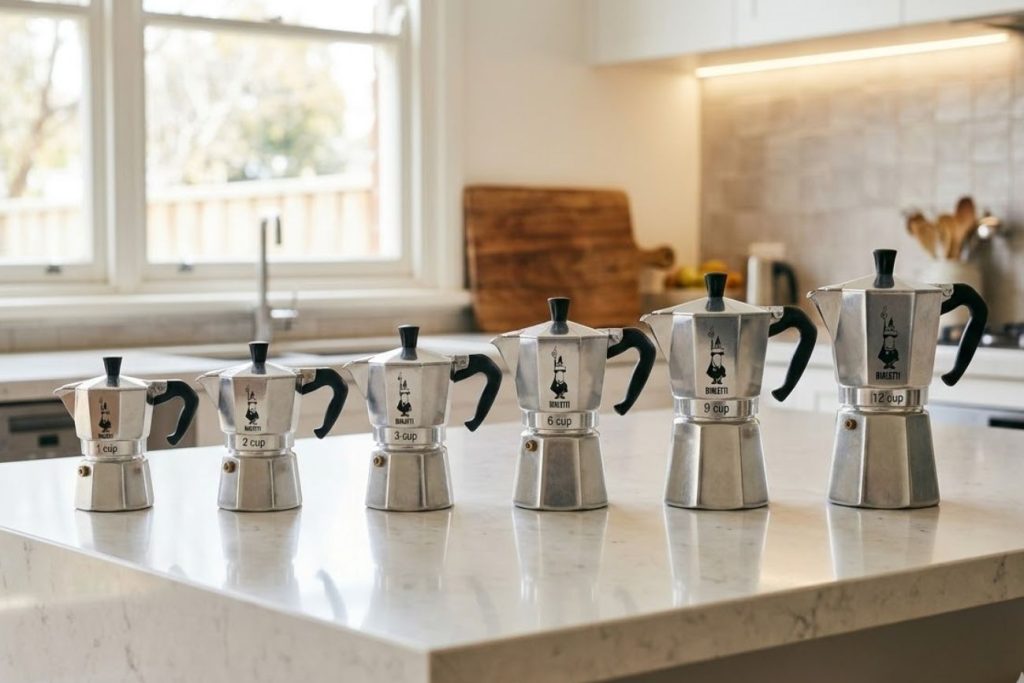
| Size | Best For | Pros | Cons |
| 1 Cup | Solo drinkers | Compact, quick | Very small yield |
| 2 Cup | One person who likes a bit more | Slightly versatile | Limited to guests |
| 3 Cup | Individuals or couples | Balanced for solo/couple | Not for groups |
| 6 Cup | Couples or small families | Great for 2-3 people | Takes longer to clean |
| 9 Cup | Families or casual hosting | Serves more people | Bulky |
| 12 Cup | Large families or entertaining | Ideal for gatherings | Inefficient for single use |
1-Cup (around 50-60ml)
The smallest moka pot made. Produces a single espresso-sized shot about 50ml of very concentrated coffee. It looks almost comically small the first time you see one.
Who it is for: someone who drinks one small, intense black coffee and nothing else. It is also the best travel option if you are packing light. Nothing wasted, nothing extra.
Who should skip it: anyone who drinks a full mug, adds milk, or makes coffee for two people. You will be brewing two rounds every morning and that gets old fast.
2-Cup (around 100ml)
Produces two small espresso-style servings or one decent mug. More practical than the 1-cup for solo drinkers who want a slightly larger pour.
Who it is for: one person who drinks black coffee in a small cup or wants the base for a milk drink without brewing excess.
3-Cup (around 150-180ml)
This is the sweet spot for a single person. One full mug of strong coffee, brewed correctly, every time. It is the size I travel with and the size I recommend most often to people who ask me where to start.
Who it is for: solo home brewers. People living alone or the only coffee drinker in the house. Anyone who wants simplicity and consistency above everything else.
Who should skip it: anyone making coffee for two people regularly. You will spend your mornings doing two brew cycles and resenting the pot for it.
6-Cup (around 300ml)
The most popular size. Produces two to three full mugs of coffee, which covers most two-person households comfortably.
Important: this pot is designed to be filled completely. Do not try to brew a single serving in it. The geometry of the basket and chamber assumes a full load. Half-filling produces uneven pressure, poor extraction, and coffee that tastes nowhere near as good as it should.
Who it is for: two people who both drink coffee every morning, or one person who drinks multiple large cups.
9-Cup (around 450ml)
Built for households or situations where you need volume. Three to four servings from a single brew.
Who it is for: families, shared kitchens, or anyone who hosts regularly. Also useful if you are making moka pot coffee for a gathering and want to avoid multiple brew rounds.
Who should skip it: anyone brewing for one or two people. At this size, the pot takes longer to heat, uses more coffee, and the quality difference from a smaller, properly-filled pot is noticeable.
12-Cup and above
These exist. I have used them in catering and group settings. For home brewing, they are overkill unless you are regularly making coffee for six or more people in one go. The brew time increases significantly and the heat management gets more demanding.
The so-what: pick the size that matches your actual daily serving count, not the size that seems most versatile. A properly-filled 3-cup will consistently outperform a half-filled 6-cup. Every time.
The Rule Nobody Tells You: Always Fill It Completely
I have said this already but it is important enough to repeat as its own section.
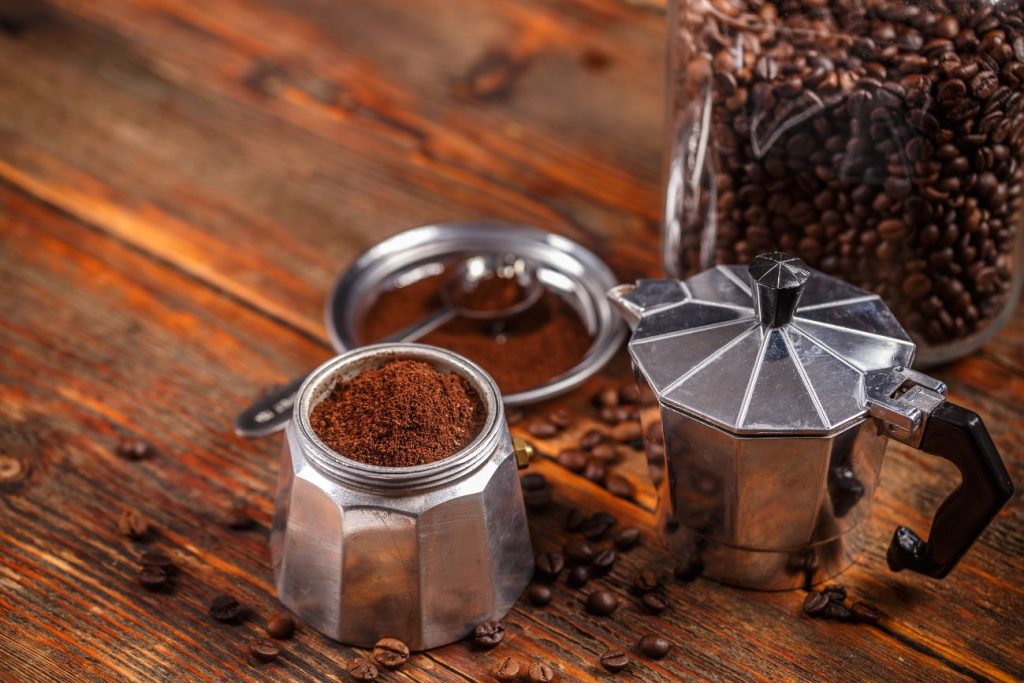
A moka pot is not adjustable. It is not like a drip machine where you can dial down to two cups with no consequence. The water chamber and the coffee basket are sized to work together at full capacity. When you under-fill either one, you break the pressure equation the pot was designed around.
Under-fill the water chamber and the steam pressure builds too quickly, runs too hot, and scorches the coffee. Under-fill the coffee basket and the water passes through too fast with nothing to push against, giving you weak, under-extracted coffee.
The symptoms of the wrong size pot are almost identical to the symptoms of bad technique: weak coffee, bitter finish, inconsistent results. Most people adjust their grind or their heat trying to fix a problem that is actually a sizing problem.
Fix: own the right size for your actual brewing habits, fill it completely every time, and 90% of moka pot problems fix themselves.
Stovetop vs Induction: Does Size Change Anything?
Worth covering because it catches people out.
Standard aluminum moka pots like the classic Bialetti Moka Express is aluminum do not work on induction stoves. Induction requires magnetic materials, and aluminum is not magnetic.
If you have an induction hob, you need either:
- A stainless steel moka pot (most are induction-compatible, check before buying)
- A separate induction disc adapter that sits between the pot and the burner
The Bialetti Moka Induction and the Bialetti Venus are the most common stainless options. They are slightly more expensive than the standard aluminum Moka Express but the brewing process and size logic is identical.
Size recommendation stays the same regardless of hob type. The sizing rules above apply whether you are on gas, electric, or induction.
The so-what: check your hob type before buying. Buying an aluminum pot for an induction stove means it goes straight back in the box.
My Size Recommendations by Situation
I get asked this directly enough that it is worth being specific.
- Solo drinker, one mug per morning: 3-cup. This is the answer. Do not overcomplicate it.
- Solo drinker, two mugs or large mug: 6-cup, filled completely. Or two rounds with the 3-cup if you prefer smaller batches.
- Two people, both drink coffee: 6-cup. The classic choice. Works perfectly for two standard servings.
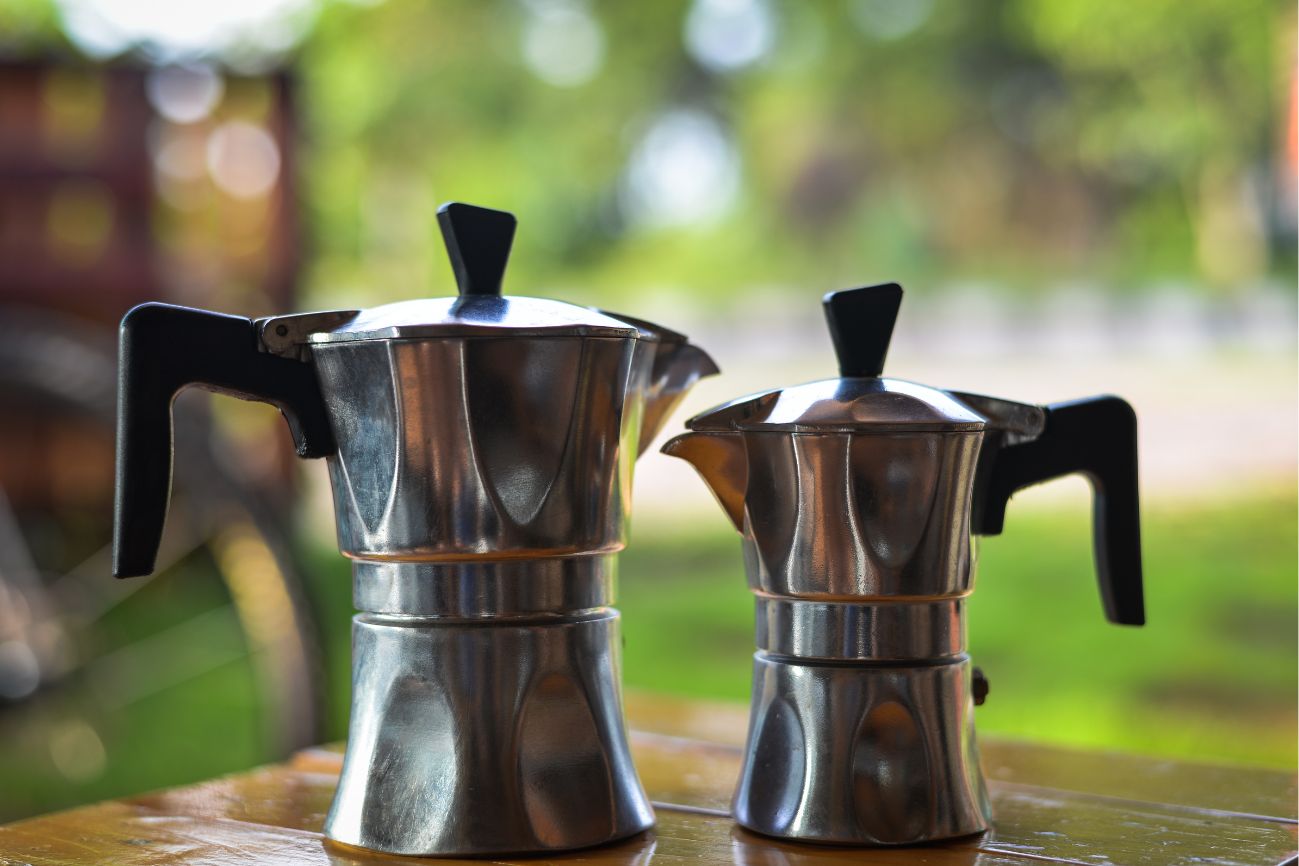
- Two people, one drinks a lot: 6-cup plus a 3-cup. I keep both. Brew the 6-cup on shared mornings and the 3-cup when I am alone.
- Family of three to four: 9-cup. One brew round covers everyone without rushing.
- Traveling or camping: 1-cup or 3-cup. The 3-cup packs easily and gives you a full serving. The 1-cup is for minimalists only.
- Making coffee for guests: 9-cup or two 6-cups running simultaneously. Faster and more reliable than one large pot.
One thing I always tell people: if you are genuinely unsure between two sizes, go smaller. A properly-filled smaller pot makes better coffee than an under-filled larger one. You can always brew two rounds. You cannot un-ruin a poorly extracted cup.
What to Actually Look for When Buying
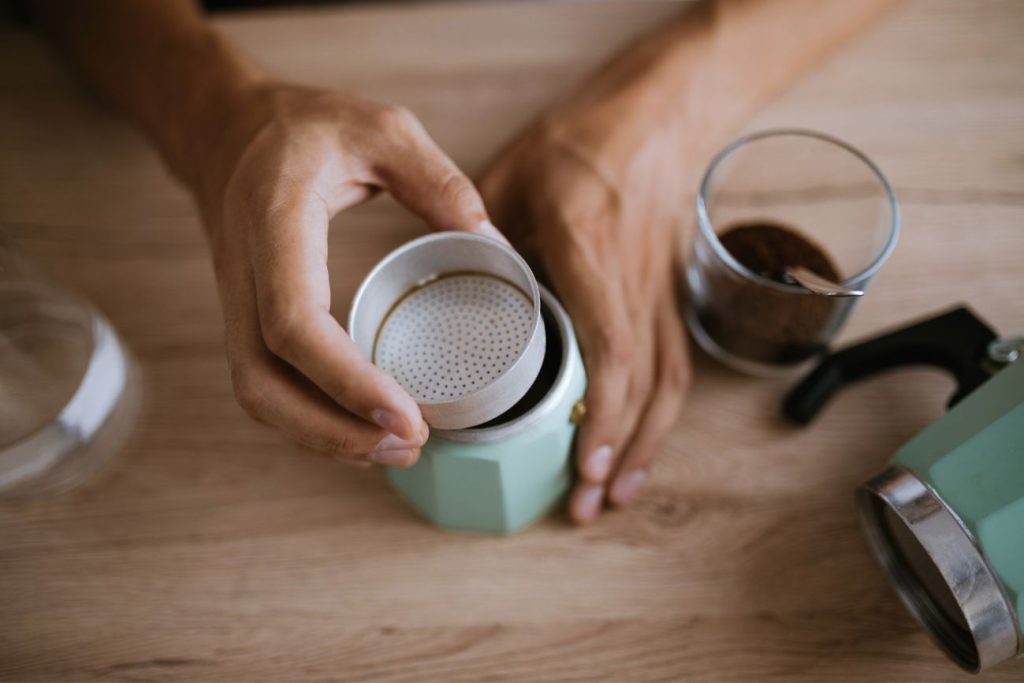
Size is the most important variable, but not the only one. A few other things worth checking before you commit:
- Material: aluminum heats faster and is lighter, but is not induction-compatible and requires hand washing. Stainless steel is heavier, slightly slower to heat, induction-compatible, and more durable long term. Both make excellent coffee.
- Gasket quality: the rubber seal between the chambers degrades over time. Check that replacement gaskets are available for the model you buy. They are a consumable. Bialetti gaskets are sold everywhere, which is one reason the brand has lasted as long as it has.
- Handle attachment: cheap pots have handles that loosen quickly. Give it a firm twist when buying in-store. A loose handle on a pot full of near-boiling coffee is a problem you do not want.
- Valve quality: the pressure relief valve on the side of the lower chamber is a safety mechanism. It should move freely and not show signs of corrosion. On cheap pots, this is often the first thing that fails.
The so-what: the Bialetti Moka Express is the benchmark for a reason. It is $35, the parts are universal, the gaskets are sold in every kitchen shop, and it has been made to the same design since 1933. I am not saying do not buy anything else. I am saying if you are unsure, start there. It earns its place on the counter.
Wrap Up
Moka pot sizes are measured in small Italian espresso cups, not standard mugs. A 3-cup makes one mug. A 6-cup makes two. Always fill the pot completely, partial fills produce poor coffee regardless of your technique.
Match the size to your actual daily brewing habits. Not what seems useful in theory. Not the largest option because it feels like better value. The size that matches how you actually drink coffee every morning.
Get that right and the moka pot will reliably make some of the best coffee in your kitchen and no learning curve worth worrying about.