Coffee lovers are increasingly choosing healthier and more sustainable options. The best organic coffee beans are grown without synthetic pesticides or harmful chemicals. This ensures a cleaner, more natural flavor in every cup. Farmers use eco-friendly methods to protect soil quality and biodiversity. These sustainable practices make organic coffee better for both people and the planet.
Organic coffee is also free from genetically modified organisms (GMOs). This makes it a safer option for health-conscious consumers. The demand for organic coffee is growing as people seek natural and ethically sourced products. Organic certification guarantees high-quality beans with no artificial additives. Many brands also support fair trade and eco-friendly farming practices.
Taste is another reason why organic coffee is gaining popularity. Chemical-free cultivation enhances the natural richness and aroma of the beans. Whether you prefer light, medium, or dark roast, organic coffee offers bold and smooth flavors. Many coffee lovers find it fresher and more enjoyable.
Choosing organic coffee benefits both your health and the environment. It’s a step toward sustainable living and responsible consumption. Enjoying the best organic coffee means savoring pure, high-quality flavors in every sip.
What Makes Coffee Organic?
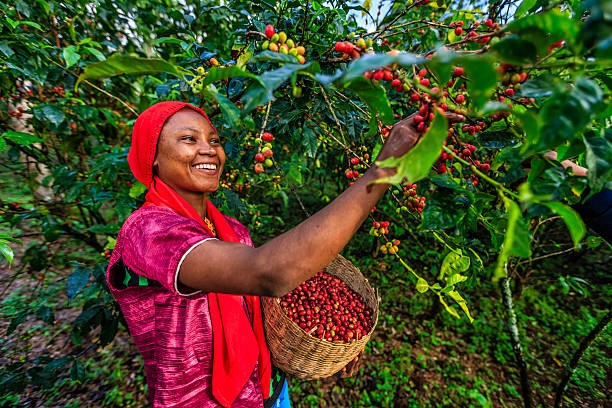
1. Organic Farming Practices
Organic coffee is grown without harmful chemicals like pesticides and fertilizers. Farmers use natural methods, such as compost and crop rotation, to maintain soil health. These practices promote biodiversity and protect the environment by avoiding harmful chemical runoff. Organic coffee farming supports sustainable agricultural systems that benefit both the land and the surrounding ecosystem.
2. Certification Standards
For coffee to be labeled organic, it must meet strict certification guidelines. Organizations like USDA Organic, EU Organic, and Rainforest Alliance regulate farming practices. The coffee must be grown without genetically modified organisms (GMOs) or artificial additives. Every step, from planting to processing, must comply with organic standards.
3. Shade-Grown and Sustainable Farming
Many organic coffee farms use shade-grown techniques to preserve forest canopies. This method protects wildlife, improves soil health, and reduces water usage. Shade-grown coffee also results in slower bean maturation, enhancing flavor complexity.
4. Ethical and Fair Trade Practices
Organic coffee is often linked to fair trade initiatives. Many brands partner with small farmers to ensure fair wages and ethical working conditions. Supporting organic coffee helps improve the livelihoods of farming communities.
5. Taste and Quality Benefits
Organic coffee grows in chemical-free environments, allowing its natural flavors to shine. The result is a richer, smoother, and more aromatic coffee. Many coffee lovers prefer organic beans for their pure and bold taste.
6. Why Choose Organic Coffee?
Buying organic coffee supports sustainability, fair trade, and better health. It’s a conscious choice that benefits both consumers and the environment.
Benefits of Choosing Organic Coffee
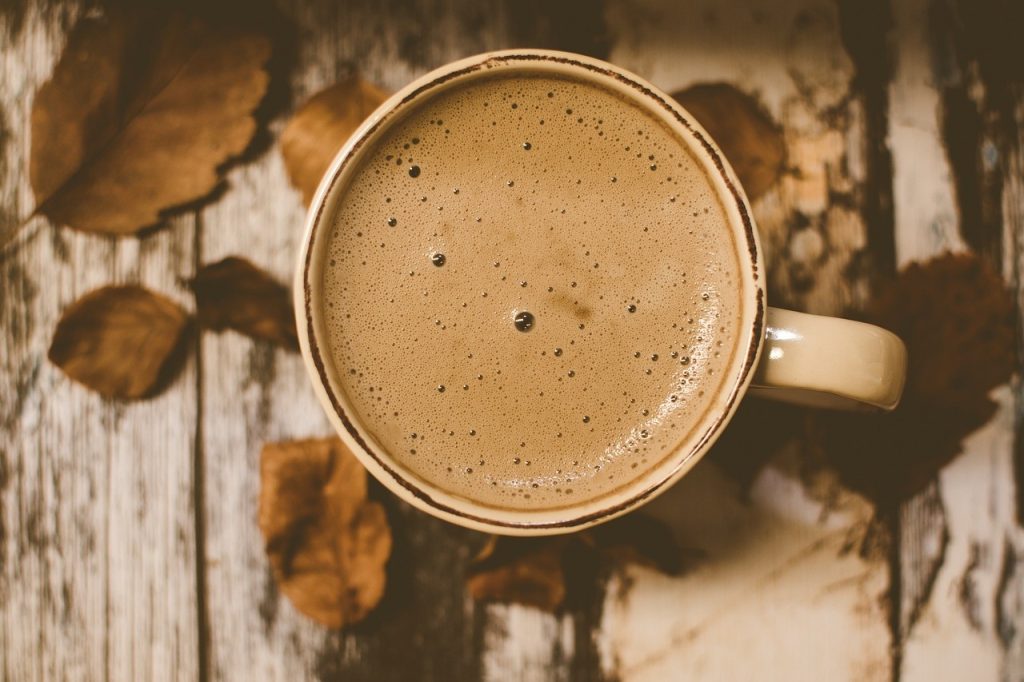
Health Benefits
Organic coffee is free from synthetic pesticides, herbicides, and chemical fertilizers. This reduces exposure to harmful toxins, making it a healthier choice. Since it’s grown naturally, organic coffee retains more antioxidants, which support overall wellness.
Better Taste and Quality
Organic coffee is cultivated in nutrient-rich soil without artificial additives. This allows the beans to develop a richer, smoother, and more complex flavor. Many coffee lovers appreciate its clean, bold, and naturally sweet taste.
Environmental Sustainability
Organic farming protects ecosystems by avoiding harmful chemicals. Farmers use natural compost and shade-grown methods to maintain soil fertility. These eco-friendly practices reduce pollution and help combat climate change.
Supports Fair Trade and Ethical Farming
Many organic coffee brands support fair trade and direct partnerships with farmers. This ensures fair wages, ethical labor conditions, and better livelihoods for small-scale growers. By choosing organic, you help sustain farming communities worldwide.
No Genetically Modified Organisms (GMOs)
Organic coffee is free from genetically modified organisms (GMOs). This means it’s produced using traditional and natural farming methods. Consumers can enjoy coffee that is pure and unaltered.
Reduced Water and Soil Contamination
Conventional coffee farming often leads to chemical runoff, polluting water sources. Organic methods prevent contamination by using sustainable irrigation and composting techniques. This helps preserve clean water and healthy soil.
A Step Toward a Healthier Planet
By choosing organic coffee, you support a greener, more sustainable world. It’s a simple yet impactful way to promote eco-conscious living while enjoying a premium coffee experience.
Best Organic Coffee Beans to Try
Choosing organic coffee beans means prioritizing quality, sustainability, and exceptional flavor. To help you discover the perfect blend for your preferences, here’s a detailed guide to the best organic coffee brands on the market today.
1. Lifeboost Coffee Medium Roast
Lifeboost Coffee is a single-origin, low-acid organic coffee brand. It is USDA Organic certified and shade-grown in the mountains of Nicaragua. The brand focuses on eco-friendly farming, making it a top choice for health-conscious coffee lovers.
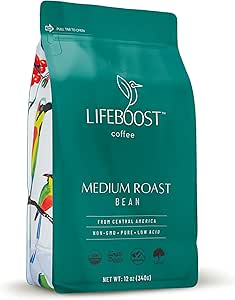
Origin: Single-origin from high-altitude mountains of Nicaragua.
Certifications: USDA Organic, Shade-Grown, Fair Trade, Mycotoxin-Free
Flavor Profile: Smooth, balanced flavor featuring hints of caramel, chocolate, and subtle fruity undertones. Notably low in acidity, perfect for sensitive stomachs.
Why You’ll Love It: Lifeboost prioritizes health and sustainability. Its meticulous organic farming practices ensure chemical-free, ethically sourced beans. The beans are tested for mycotoxins and pesticides, ensuring purity in every cup.
2. Kicking Horse Coffee Kick Ass Dark Roast
Kicking Horse Coffee is a well-known Canadian brand offering 100% organic and fair-trade beans. Their coffee is bold, smooth, and available in various roast levels. It is sourced from sustainable farms and roasted in the Rocky Mountains.
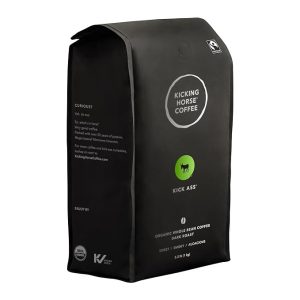
Origin: Blended beans sourced sustainably from South America and Indonesia.
Certifications: USDA Organic, Fair Trade Certified
Flavor Profile: Bold and full-bodied with rich, robust flavors. Strong notes of dark chocolate, molasses, roasted nuts, and subtle hints of smoky caramel.
Why You’ll Love It: Perfect for espresso lovers and anyone craving a strong, vibrant coffee experience. Kicking Horse emphasizes ethical sourcing and sustainability, making it a responsible yet delicious choice.
3. Death Wish Coffee
Death Wish Coffee is famous for being the world’s strongest organic coffee. It is USDA Organic and Fair Trade certified, made from a blend of Robusta and Arabica beans. The high caffeine content delivers a bold and intense coffee experience.
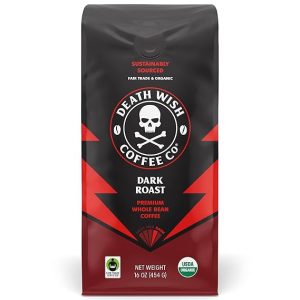
Origin: Blend of high-quality organic beans from Peru and India.
Certifications: USDA Organic, Fair Trade Certified
Flavor Profile: Known as “the world’s strongest coffee,” Death Wish delivers a powerful caffeine kick with bold, deep flavors. Smooth chocolatey undertones pair with subtle cherry and nutty accents.
Why You’ll Love It: Ideal for coffee enthusiasts seeking an intense energy boost without compromising taste. Despite its strong profile, Death Wish remains remarkably smooth and enjoyable.
4. Equal Exchange Mind, Body & Soul Medium Roast
Equal Exchange is a pioneer in organic and fair-trade coffee. They partner with small-scale farmers to ensure ethical sourcing. Their organic beans come from Latin America, Africa, and Asia, offering a diverse flavor selection.
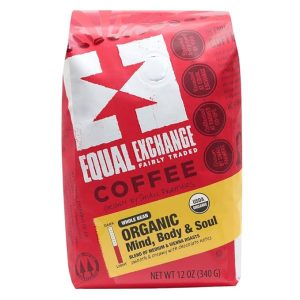
Origin: Ethically sourced from small-scale farms in Peru, Nicaragua, and Guatemala.
Certifications: USDA Organic, Fair Trade Certified
Flavor Profile: Exceptionally balanced medium roast featuring notes of toasted almonds, rich chocolate, and a hint of sweet fruitiness. Smooth with moderate acidity, ideal for everyday enjoyment.
Why You’ll Love It: Equal Exchange champions fair trade and cooperative farming, empowering small-scale producers worldwide. By choosing this coffee, you support ethical sourcing and sustainability alongside enjoying excellent flavor.
5. Java Planet Colombian Organic Coffee
Java Planet focuses on organic, low-acid coffee with smooth and rich flavors. They use only 100% Arabica beans that are shade-grown and GMO-free. Their commitment to sustainability makes them a great choice for eco-conscious consumers.
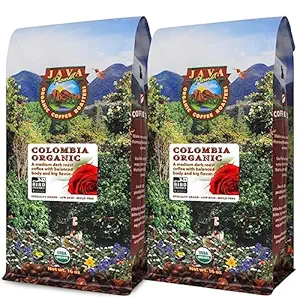
Origin: Single-origin beans cultivated sustainably in Colombia.
Certifications: USDA Organic, Fair Trade Certified, Rainforest Alliance Certified
Flavor Profile: Smooth, medium-bodied coffee with low acidity, showcasing prominent flavors of chocolate, caramel sweetness, and subtle nutty notes.
Why You’ll Love It: Java Planet emphasizes sustainable practices like shade-growing to protect biodiversity and ecosystems. Its delicious, mild profile makes it perfect for coffee lovers sensitive to acidity, yet desiring rich, deep flavors.
6. Volcanica Coffee Organic Ethiopian Yirgacheffe
Volcanica Coffee specializes in organic, single-origin beans grown in volcanic soil. Their coffee is low in acidity and packed with bold flavors. They offer a variety of organic options, from light to dark roasts.
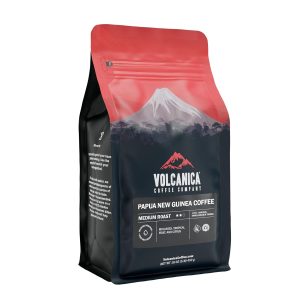
Origin: Single-origin coffee beans grown in Ethiopia’s renowned Yirgacheffe region, famous for rich volcanic soil.
Certifications: USDA Organic, Fair Trade Certified
Flavor Profile: Bright and aromatic with distinctive floral notes, vibrant fruitiness, and subtle hints of blueberry, jasmine, and citrus. This coffee delivers a complex yet delicate taste with bright acidity.
Why You’ll Love It: Ideal for coffee enthusiasts who enjoy exploring unique flavors. Volcanica’s commitment to sustainability and ethical practices ensures you receive a premium, eco-friendly product bursting with flavor.
7. Jo Coffee Organic Medium Roast
Jo Coffee offers premium, USDA Organic certified coffee with rich and smooth flavors. They specialize in organic blends with no artificial ingredients. It’s a top-rated brand for those who prefer chemical-free coffee.
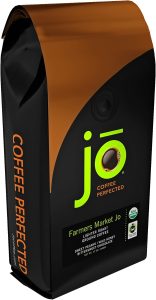
Origin: Premium Arabica beans from Latin America
Certifications: USDA Organic, Fair Trade Certified, Non-GMO Verified
Flavor Profile: Smooth and mellow, offering rich cocoa notes balanced by subtle caramel sweetness. Low acidity creates an exceptionally easy-drinking coffee suitable for daily enjoyment.
Why You’ll Love It: Jo Coffee is committed to organic purity and sustainable practices. Its accessible, consistent flavor profile makes it perfect for those seeking a reliable, delicious organic coffee option for daily brewing.
Each of these carefully selected organic coffee brands offers exceptional taste, ethical sourcing, and a commitment to sustainable agriculture. Explore these delightful options and discover how delicious organic coffee can truly be!
Things to Consider When Buying best Organic Coffee Beans
Certification and Authenticity
Look for certifications like USDA Organic, Fair Trade, and Rainforest Alliance. These labels ensure the coffee is grown without harmful chemicals and follows ethical farming practices. Always verify authenticity to avoid misleading marketing claims.
Roast Type (Light, Medium, or Dark)
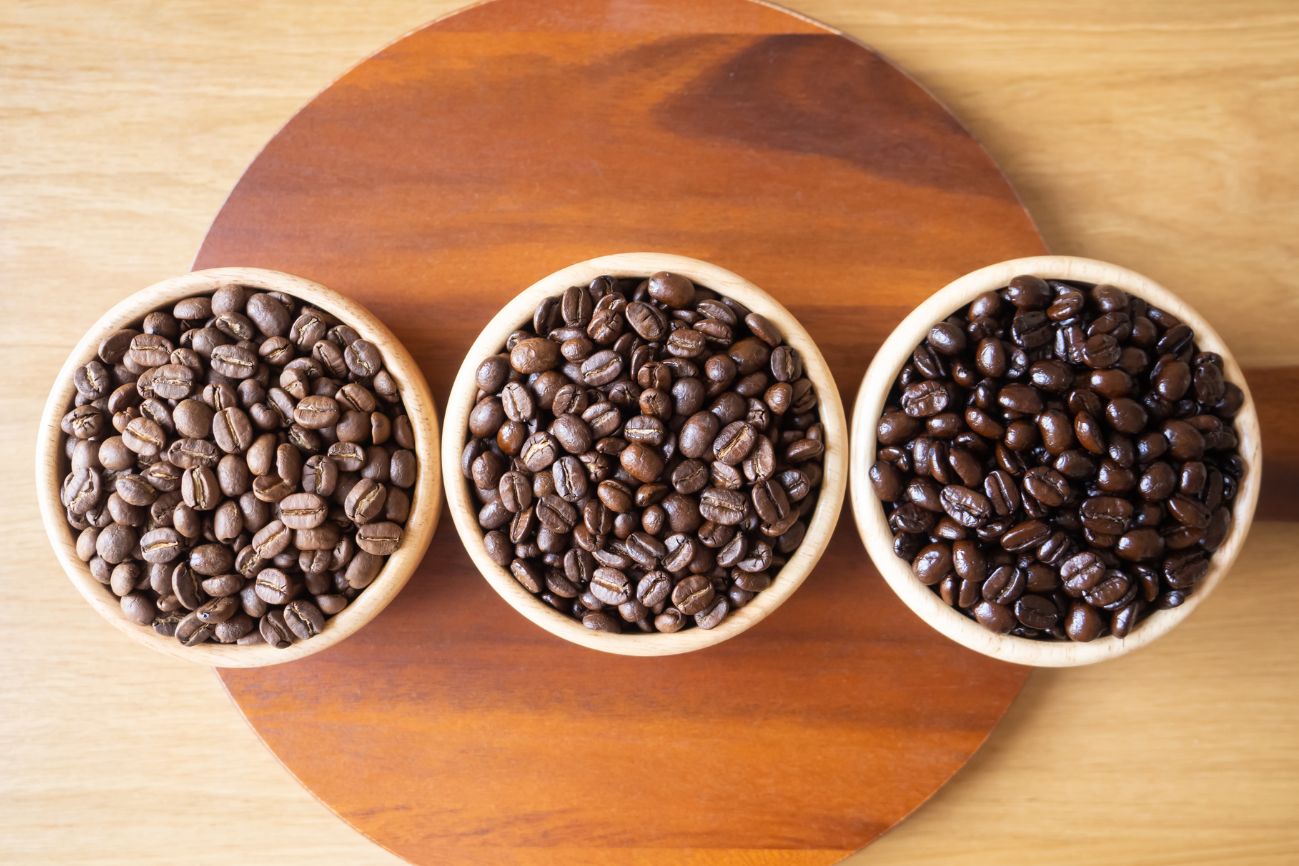
Roast level affects flavor, aroma, and caffeine content. Light roasts have a mild taste with higher acidity. Medium roasts offer balanced flavor with a smooth finish. Dark roasts have bold, smoky flavors with lower acidity. Choose based on your taste preference.
Read More: How to Choose the Right Coffee Roast: Light, Medium, or Dark?
Whole Beans vs. Pre-Ground
Whole beans retain freshness and allow better control over grind size. Grinding just before brewing enhances flavor. Pre-ground coffee is convenient but loses freshness faster. If possible, opt for whole beans for the best taste.
Single-Origin vs. Blends
Single-origin coffee comes from one region, offering unique and distinct flavors. Blends combine beans from multiple sources for a balanced taste. If you prefer complex flavors, single-origin is a great choice. For consistency, go with blends.
Flavor Profile and Acidity
Organic coffee varies in flavor, from fruity and floral to nutty and chocolatey. Low-acid coffee is easier on the stomach, while high-acid varieties offer a bright, tangy taste. Choose based on your sensitivity and preference.
Packaging and Freshness
Look for coffee in airtight, resealable bags with a roast date. Freshly roasted coffee delivers the best aroma and taste. Avoid coffee stored in clear or non-sealed packaging, as it degrades quickly.
Ethical and Sustainable Sourcing
Choose brands that support shade-grown farming, biodiversity, and fair trade wages. Ethical sourcing ensures better livelihoods for farmers and protects the environment. Supporting responsible brands makes a positive impact.
Price and Availability
Organic coffee can be more expensive than conventional coffee due to sustainable farming costs. Compare prices, quality, and availability. Buying in bulk or through subscriptions can save money in the long run.
How to Brew Organic Coffee for the Best Flavor

1. Choose Fresh, High-Quality Organic Beans
Start with freshly roasted organic coffee beans for the best taste. Look for a roast date on the packaging and buy in small batches to ensure freshness. Whole beans preserve their flavor for a longer time compared to pre-ground coffee.
2. Use the Right Grind Size
The grind size affects extraction and flavor. You can use a coarse grind for French press, a medium grind for drip coffee makers, and a fine grind for espresso. Grinding just before brewing preserves aroma and taste.
Read More: 7 Coffee Grind Size You should know for Perfect Brewing at Home
3. Use Filtered Water
Water quality plays a huge role in coffee flavor. Use filtered or spring water to eliminate chlorine and impurities that may affect the flavor. The ideal water temperature for brewing is 195–205°F (90–96°C) for optimal extraction.
4. Experiment with Brewing Methods
Different methods bring out unique flavors in best organic coffee beans:
- French Press – Rich, full-bodied coffee with natural oils.
- Pour-Over – Smooth, clean taste with enhanced aroma.
- Espresso Machine – Intense, bold, and strong flavor.
- Cold Brew – Smooth, low-acid coffee with natural sweetness.
5. Maintain the Right Coffee-to-Water Ratio
For a balanced cup, use 1 to 2 tablespoons of coffee per 6 ounces of water. Adjust based on personal taste preference. Too much coffee makes it bitter, while too little makes it weak.
6. Store Beans Properly
Keep organic coffee beans in an airtight container, away from light, heat, and moisture. Avoid storing them in the fridge or freezer, as condensation can affect flavor.
7. Avoid Artificial Additives
To enjoy the pure taste of organic coffee, avoid artificial creamers and sweeteners. Instead, use natural options like almond milk, oat milk, honey, or cinnamon for added flavor.
8. Clean Your Equipment Regularly
Coffee oils and residue can build up in brewing equipment, affecting taste. Clean coffee makers, grinders, and filters regularly with vinegar or specialized cleaning solutions.
By following these steps, you’ll unlock the rich, natural flavors of organic coffee.
Where to Buy the Best Organic Coffee Beans
Online Retailers
Online shopping offers a wide variety of organic coffee brands, often with detailed descriptions and customer reviews. Some popular sites include:
- Amazon – A vast selection of organic coffee with options for all budgets.
- Thrive Market – Specializes in organic and eco-friendly products, including a range of organic coffee brands.
- Fresh Roasted Coffee – Offers freshly roasted organic coffee delivered directly to your door.
Local Specialty Coffee Shops
Many local coffee roasters and specialty coffee shops carry high-quality organic coffee. These shops often have unique single-origin coffees and blends. Ask for recommendations or try samples before making a purchase. Supporting small businesses also helps local farmers.
Organic Grocery Stores
Stores like Whole Foods, Sprouts Farmers Market, and Trader Joe’s offer a selection of organic coffee brands. They stock certified organic options, including whole beans and ground coffee. Shopping at these stores ensures you’re supporting organic farming practices.
Directly from Coffee Brands
Many organic coffee brands offer subscriptions or direct-to-consumer sales through their websites. Brands like Lifeboost Coffee, Equal Exchange, and Java Planet provide fresh, high-quality beans with the convenience of home delivery. Signing up for a subscription service may also offer discounts or perks.
Farmers’ Markets
Farmers’ markets are a great place to find local, organic coffee roasters. Many small roasters offer freshly roasted organic beans sourced from sustainable farms. You can chat directly with the roasters, learn about their sourcing practices, and even try free samples before buying.
Subscription Services
If you prefer regular deliveries of fresh organic coffee, consider subscription services like:
- Trade Coffee – Offers personalized coffee selections based on your taste preferences.
- Bean Box – Provides curated coffee from artisan roasters.
- MistoBox – Delivers freshly roasted organic coffee each month, tailored to your flavor profile.
Supermarkets with Organic Sections
Larger supermarkets, such as Walmart and Target, have dedicated organic sections. Look for brands like Kicking Horse Coffee or Equal Exchange that offer certified organic options. These stores provide convenience without compromising quality.
By buying from these reliable sources, you ensure that you’re getting the best organic coffee while supporting sustainable and ethical farming practices.
FAQs about Best Organic Coffee
1. What makes coffee organic?
Organic coffee is grown without synthetic chemicals, pesticides, or fertilizers, promoting healthier farming. It’s certified by USDA Organic standards.
2. Is organic coffee healthier?
Yes, it’s free from harmful chemicals and often contains higher antioxidants, making it a healthier choice.
3. Why is organic coffee more expensive?
It’s more expensive due to sustainable farming practices, certification costs, and labor-intensive methods.
4. How do I brew organic coffee?
Use freshly ground beans, filtered water, and adjust grind size to match your brewing method.
5. Can I get decaf organic coffee?
Yes, many brands offer decaf organic coffee, often decaffeinated using chemical-free methods.
6. Where can I buy organic coffee?
It’s available online, in organic grocery stores, and through specialty roasters.
7. Does organic coffee taste better?
Many people find organic coffee fresher and smoother due to the lack of chemicals during growth.
8. How to identify high-quality organic coffee?
Look for USDA Organic and Fair Trade certifications and fresh roast dates.
9. Is organic coffee better for the environment?
Yes, it’s grown sustainably, preserving ecosystems and reducing soil and water pollution.
10. Can I use a Keurig with organic coffee?
Yes, organic coffee pods are available for Keurig machines, but choose eco-friendly options.
Wrap Up
Choosing the best organic coffee offers both health and environmental benefits. By opting for high-quality, sustainably grown coffee, you enjoy a richer flavor while supporting ethical farming practices. Whether you prefer a bold dark roast or a smooth medium blend, organic coffee provides a healthier, cleaner option for every cup. Make the switch today to experience the difference in taste and contribute to a more sustainable future with each sip.