Espresso is where grinders stop being background gear and start becoming part of the process.
I learned this early on behind a cafe bar, and then again later at home. Espresso doesn’t ask for perfection, but it does demand control. Small adjustments matter. A grinder that lets you move in tiny steps, and repeat them tomorrow, is what makes dialing in feel calm instead of frustrating.
This best espresso grinders guide is not about chasing cafe-level equipment. It’s about grinders that make espresso manageable at home. Ones that respond predictably, fit real kitchens, and don’t punish you for small mistakes.
If you’re deciding which espresso grinder actually makes sense for your routine, this should help.
What “Dial-In Friendly” Actually Means for Espresso
Before getting into specific models, it’s worth being clear about what espresso asks from a grinder.
Dialing in espresso means adjusting grind size in very small increments until flow, timing, and taste line up. That requires three things.
First, fine grind capability. Not all grinders can go fine enough for espresso, even if they claim they can.
Second, micro-adjustments. Large steps make you overshoot. You want to move the grind slightly, not dramatically.
Third, consistency. If the grinder produces uneven particles, your shot will channel no matter how careful you are.
Everything else matters less than those three.
Quick Reality Check: Do You Actually Need an Espresso-Focused Grinder?
Not everyone does.
If you brew espresso occasionally and mostly drink pour-over or French press, a general-purpose grinder can be fine. But if espresso is your main brew method, especially with a non-pressurized portafilter, the grinder matters more than the machine.
- You’re using (or planning to use) a real espresso machine
- You’re willing to spend time dialing in
- You care about repeatability more than speed
Sounds like you? then let’s look at grinders that make the process smoother.
Manual vs Electric for Espresso
This question comes up often, especially from people brewing in apartments or small kitchens.
Manual grinders can work for espresso. They take more effort, and dialing in can feel slower, but the burrs are often excellent for the price.
Electric grinders are easier day to day. They remove the physical effort and speed up adjustment, which matters if you pull shots regularly.
Neither is “better” in general. The right choice depends on how often you brew espresso and how much friction you’re willing to accept in the process.
Final Pick: 5 Best Espresso Grinders (Dial-In Approved)
These are the ones that make espresso feel learnable, repeatable, and calm at home from my perspective.
I’ve ordered them based on how friendly they are to live with day to day, not on spec sheets alone.
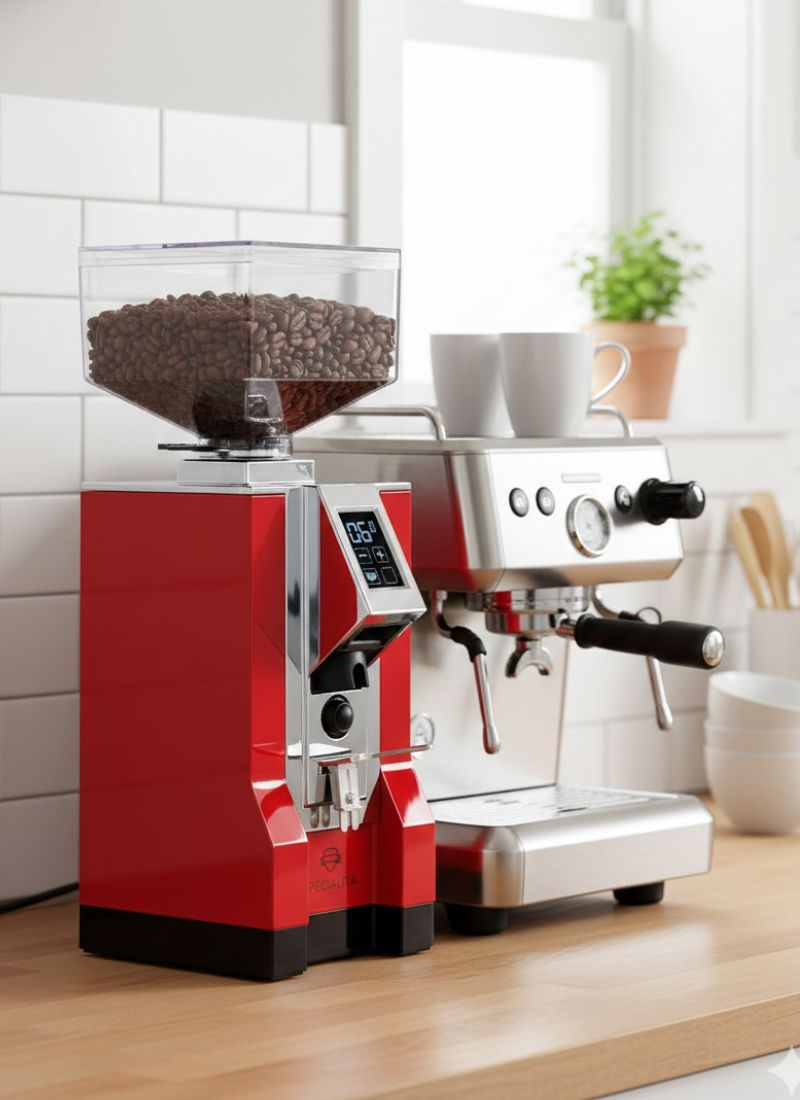
1. Eureka Mignon Specialita (Best overall pick)
This is the grinder I point to when someone says, “I want espresso to stop feeling fragile.”
It doesn’t demand attention every morning. Once you understand its adjustment, it stays consistent and lets you focus on taste instead of troubleshooting.
Why many home brewers love it:
- Stepless adjustment gives you true micro-control
- Flat burrs produce very even, espresso-friendly grinds
- Quiet, compact, and stable once dialed in
- Designed specifically for espresso, not as a compromise
Best for: Home espresso drinkers who want a long-term grinder that delivers consistent results without constant tweaking.
Not ideal for: People who switch brew methods often or want visible, numbered adjustment clicks.
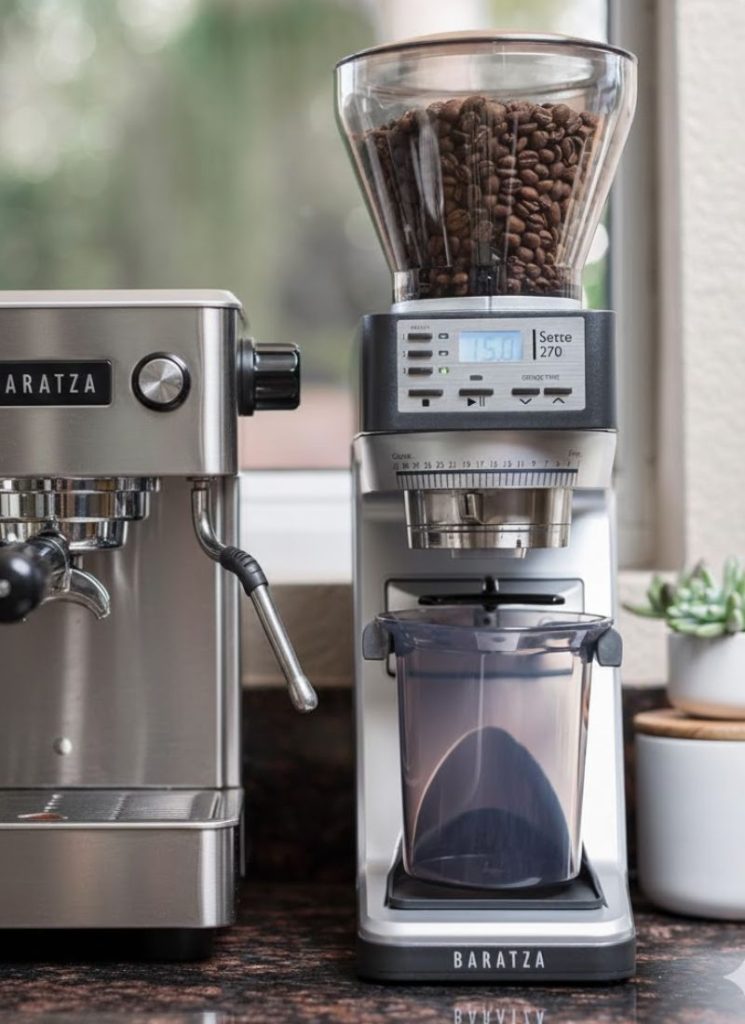
2. Baratza Sette 270 (Best beginner-friendly electric grinder)
The Sette 270 has become a reference point for entry-level espresso grinders. I like how clearly it teaches espresso. You turn the dial, and you immediately understand what changed. That feedback is valuable when you’re learning.
Why this is a near‑perfect match for home espresso:
- Macro and micro adjustment system designed for espresso
- Very easy to dial in, even for beginners
- Fast grinding with low retention
- Direct-to-portafilter workflow simplifies daily use
It’s louder than most and not the most compact, but it’s straightforward to dial in and forgiving for beginners.
Best for: Beginners who want espresso to feel approachable and don’t want to guess whether adjustments are working.
Not ideal for: Those sensitive to grinder noise or looking for a quieter, more refined countertop presence.
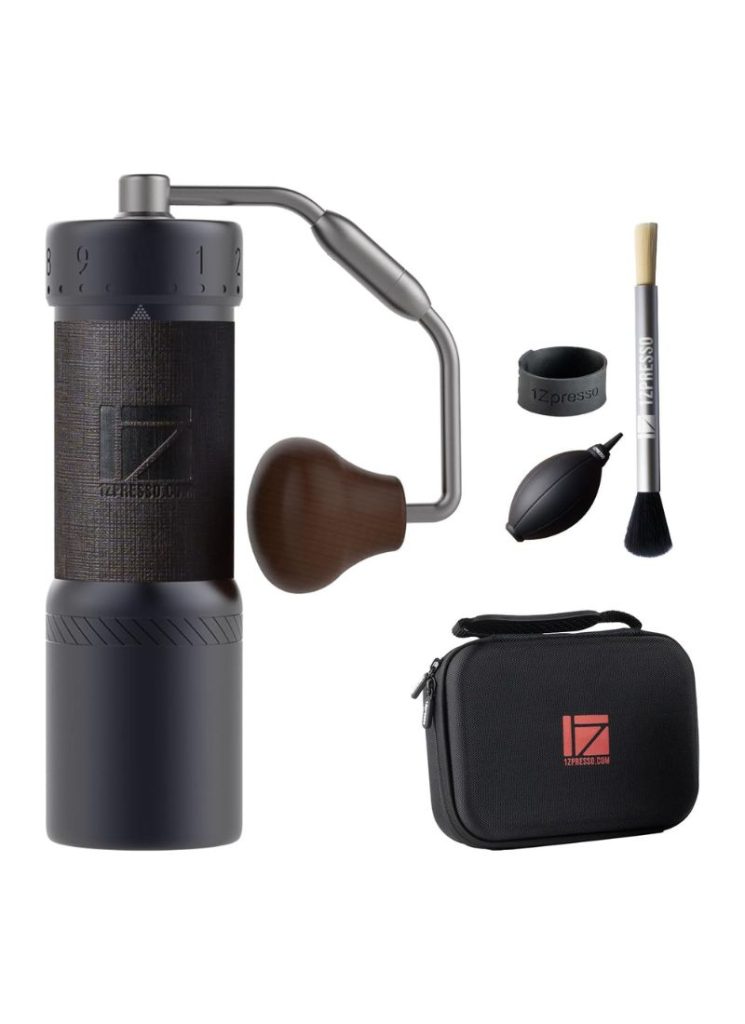
3. 1Zpresso J-Ultra (Best manual grinder for espresso precision)
The J-Ultra is one of the clearest examples of a grinder built specifically for espresso. The control is clear and predictable. Each click feels meaningful, and it’s easy to return to a known setting when changing beans.
Why this is a top pick:
- Extremely fine adjustment steps designed for espresso
- Excellent grind consistency for the price
- Compact and easy to store
- No electronics, no noise, very little maintenance
It’s not fast, but it’s predictable. If you enjoy being involved in the process and don’t mind hand grinding, this is one of the easiest ways to get consistent espresso without overspending.
Best for: Home baristas making one or two shots at a time who value precision and don’t mind manual grinding.
Not ideal for: Households making multiple milk drinks back-to-back or anyone wanting a fast workflow.
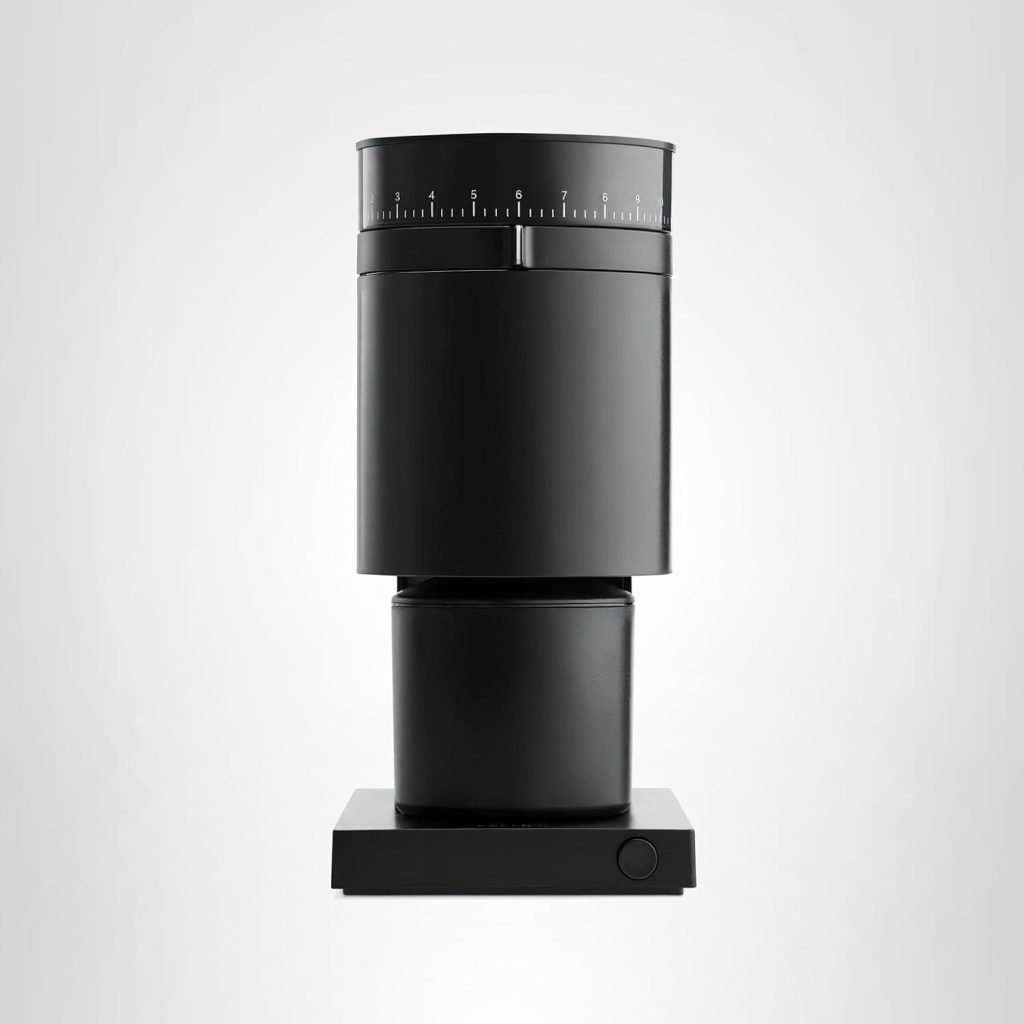
4. Fellow Opus (Best approachable electric grinder)
It lowers the barrier. It doesn’t feel like “espresso equipment” in a scary way, and it’s easy to live with day to day once you understand the adjustment logic.
Why this earns a place:
- Can grind properly fine for espresso
- Internal micro-adjustment allows real dial-in control
- Quiet, compact, and apartment-friendly
- Designed to feel unintimidating on the counter
Best for: Beginners who want an electric grinder that can do espresso without noise, bulk, or a steep learning curve.
Not ideal for: Users who want very obvious, external micro-adjustment or plan to obsess over fine-tuning.
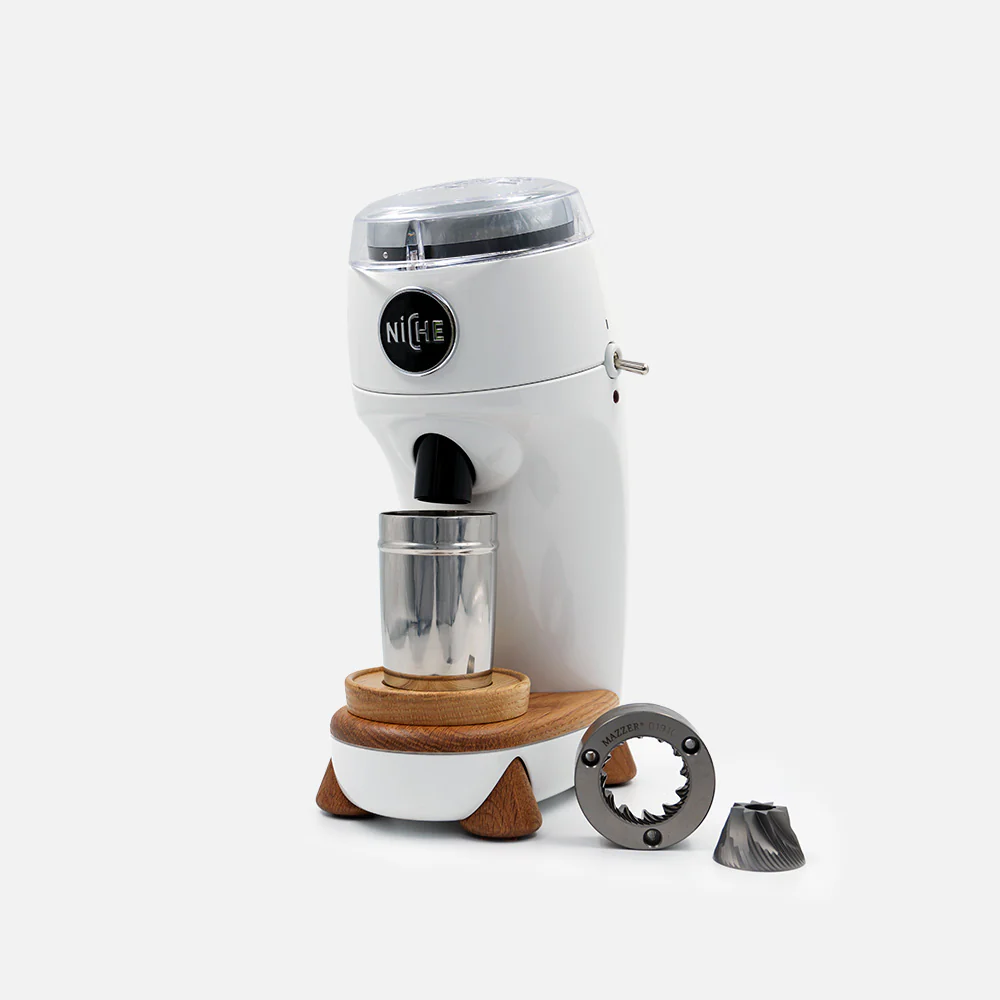
5. Niche Zero (Single-Dose Focused)
This grinder is one of the most beginner-friendly espresso grinders ever made. This grinder is not sold on Amazon, but it’s widely regarded as one of the easiest ways for a home barista to succeed with espresso.
Why it’s great for beginners:
- Stepless adjustment with very forgiving dialing-in
- Single-dose workflow keeps things simple and clean
- Conical burrs are forgiving with puck prep mistakes
- Minimal retention, so each adjustment shows up clearly in the cup
- Clear markings make it easy to return to a known setting
It removes friction. You don’t have to fight retention, purge constantly, or wonder where your coffee went. You grind what you need, adjust slightly, and move on.
Best for: Beginner to intermediate home baristas who want espresso to feel relaxed and repeatable without learning grinder quirks.
Not ideal for: People who frequently switch between very coarse brew methods and espresso in the same session, or who prefer flat-burr flavor profiles.
If You’re New to Espresso
If this is your first real espresso setup, the goal isn’t perfect shots. It’s learning without fighting your gear.
When you’re new, the grinder should do three things well:
- Make very small adjustments so you don’t overshoot
- Respond clearly when you change settings
- Stay consistent day to day
You do not need cafe-level equipment. You do need a grinder that helps you understand what’s happening.
My simplest recommendation for beginners
If you want espresso to feel approachable from day one, start with one of these:
- Baratza Sette 270
The most forgiving electric espresso grinder here. The macro + micro adjustment makes dialing in obvious, and it’s designed specifically for espresso. If you want to learn quickly and avoid confusion, this is the easiest starting point. - Eureka Mignon Specialita
A calmer, quieter option that grows with you. It takes a little more patience at first, but once dialed in, it stays stable. This is a good “buy once and keep it” choice. - 1Zpresso J-Max (manual)
If you’re okay grinding by hand and only make one or two shots at a time, this offers excellent control with very fine adjustment steps. It’s slower, but extremely clear and consistent.
What I’d skip at the beginning
Some grinders on this page make excellent espresso, but expect more from the user:
- Platforms like the DF64 reward experience and patience
- Manual grinders that require upgrades to be espresso-friendly add complexity
- Stepped grinders can leave you stuck between settings
They’re not wrong choices. They’re just better later.
One last thing that matters more than the grinder
Take notes when you adjust.
Change one thing at a time.
And give each setting a couple of shots before judging it.
Espresso gets easier when your grinder reacts predictably.
That’s what the recommendations above are meant to give you.
Flat Burr vs Conical Burr for Espresso
This question comes up often, and the answer is less dramatic than the internet makes it sound.
- Conical burrs often produce a slightly rounder, forgiving shot.
- Flat burrs tend to highlight clarity and separation.
Neither is “better.” The grinder’s overall design matters more than burr shape alone. Many excellent espresso grinders use both styles effectively.
Budget Expectations (Honest Numbers)
To avoid frustration:
- Manual espresso grinders: usually start lower and deliver excellent value
- Electric espresso grinders: dialing in becomes easier as budgets increase
Below a certain point, espresso grinding becomes more about compromise than learning. If you’re saving, a high-quality manual grinder is often the calmest starting point.
If you just started brewing coffee (not espresso) at home and have tight budget for a grinder, then start here: Best Coffee Grinders Under $100 (What’s Worth It)
When You Don’t Need to Upgrade
If your shots are consistent, adjustable, and repeatable, you’re already there.
Upgrading grinders won’t fix stale beans, poor distribution, or rushed dialing-in. Spend time with what you have before assuming gear is the issue.
Most good espresso comes from understanding your setup, not replacing it.
Final Thoughts
Espresso doesn’t need to feel tense. The right grinder doesn’t promise perfection. It simply gives you room to adjust calmly and learn what your coffee is telling you.
Every grinder here earns its place by making espresso more predictable, not more complicated. Choose the one that fits your routine, your space, and how much involvement you actually enjoy.
If you’re still unsure, start slower. Learn your grinder well. Espresso rewards patience far more than upgrades.