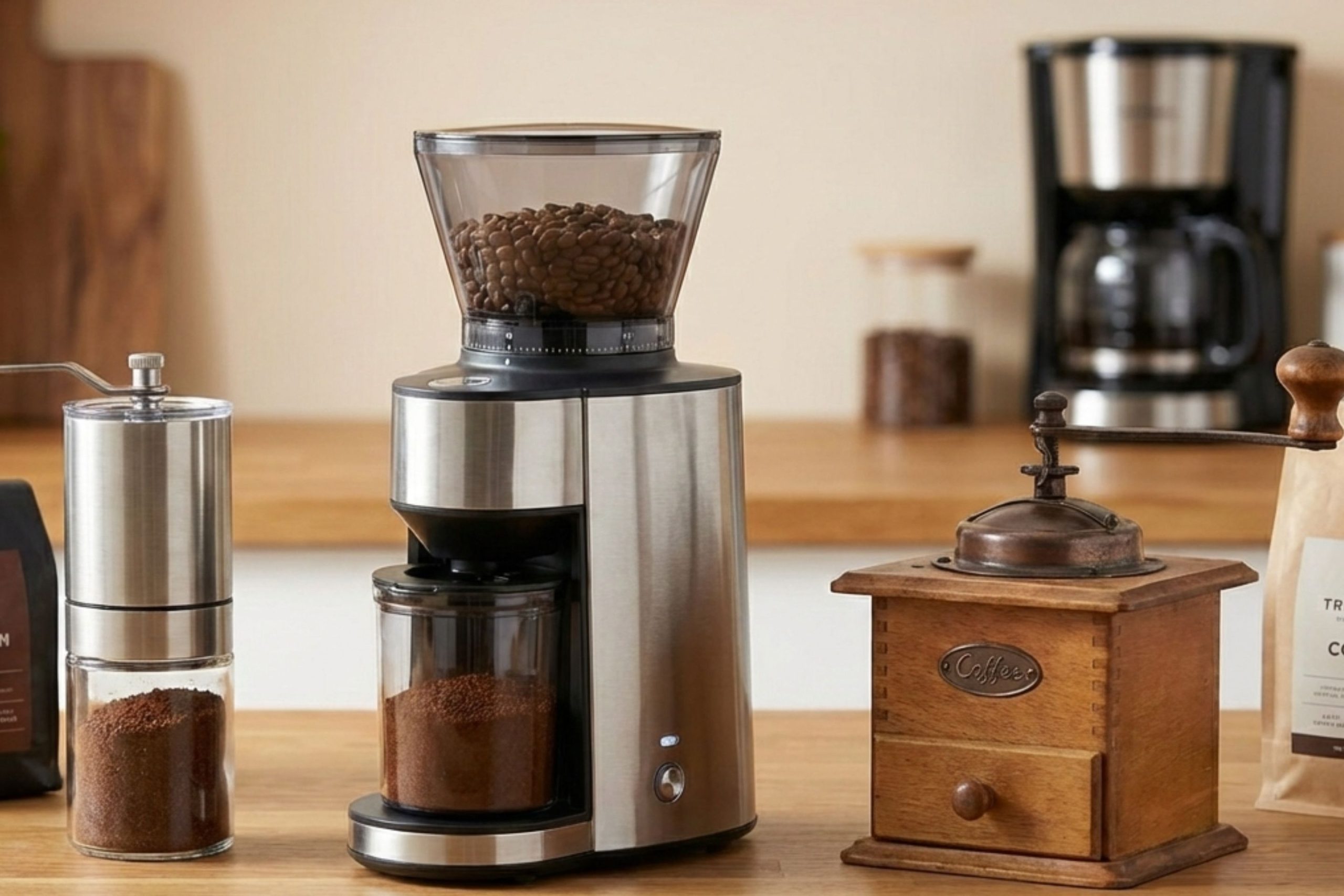
When people ask me whether they should buy a manual vs electric coffee grinders, they’re usually hoping for a clear answer. One better than the other. Problem solved.
The truth is quieter than that.
I’ve used both for years. In cafes, at home, and in a long list of small kitchens, rentals, and temporary setups. Each type of grinder solves a different problem. And once you understand which problem you’re trying to solve, the decision gets much easier.
This isn’t a technical shoot-out. It’s a practical comparison based on how these grinders actually fit into daily life.
What a Coffee Grinder Really Does (and Why It Matters)
Grinding coffee is about control. Not perfection.
Whole beans stay stable longer than pre-ground coffee. Once you grind them, you decide how fast the water moves through the coffee. That’s what shapes bitterness, acidity, and balance.
A good grinder doesn’t need to be expensive or complicated. It just needs to be consistent enough for the way you brew.
That’s where the manual vs electric choice starts to matter.
What a Manual Coffee Grinder Is Like to Use
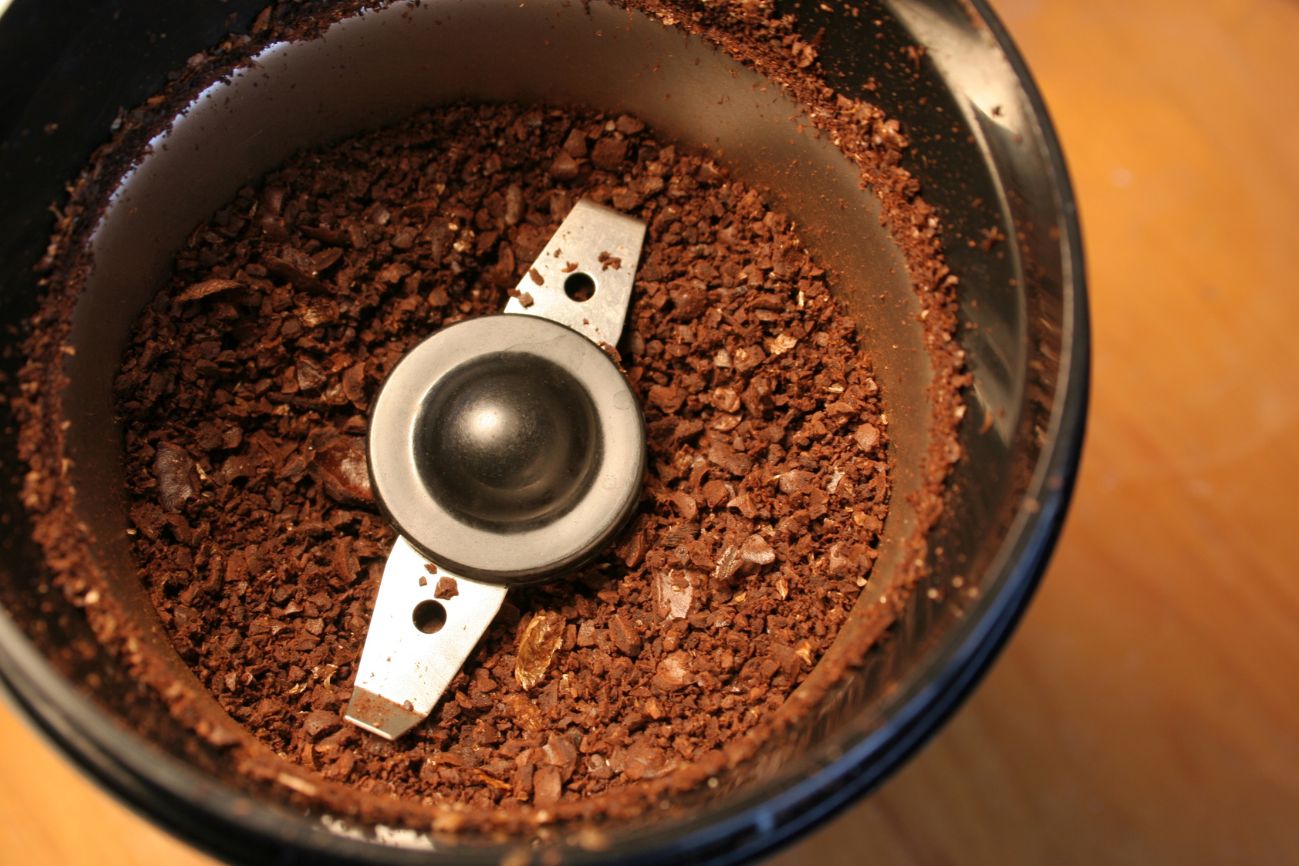
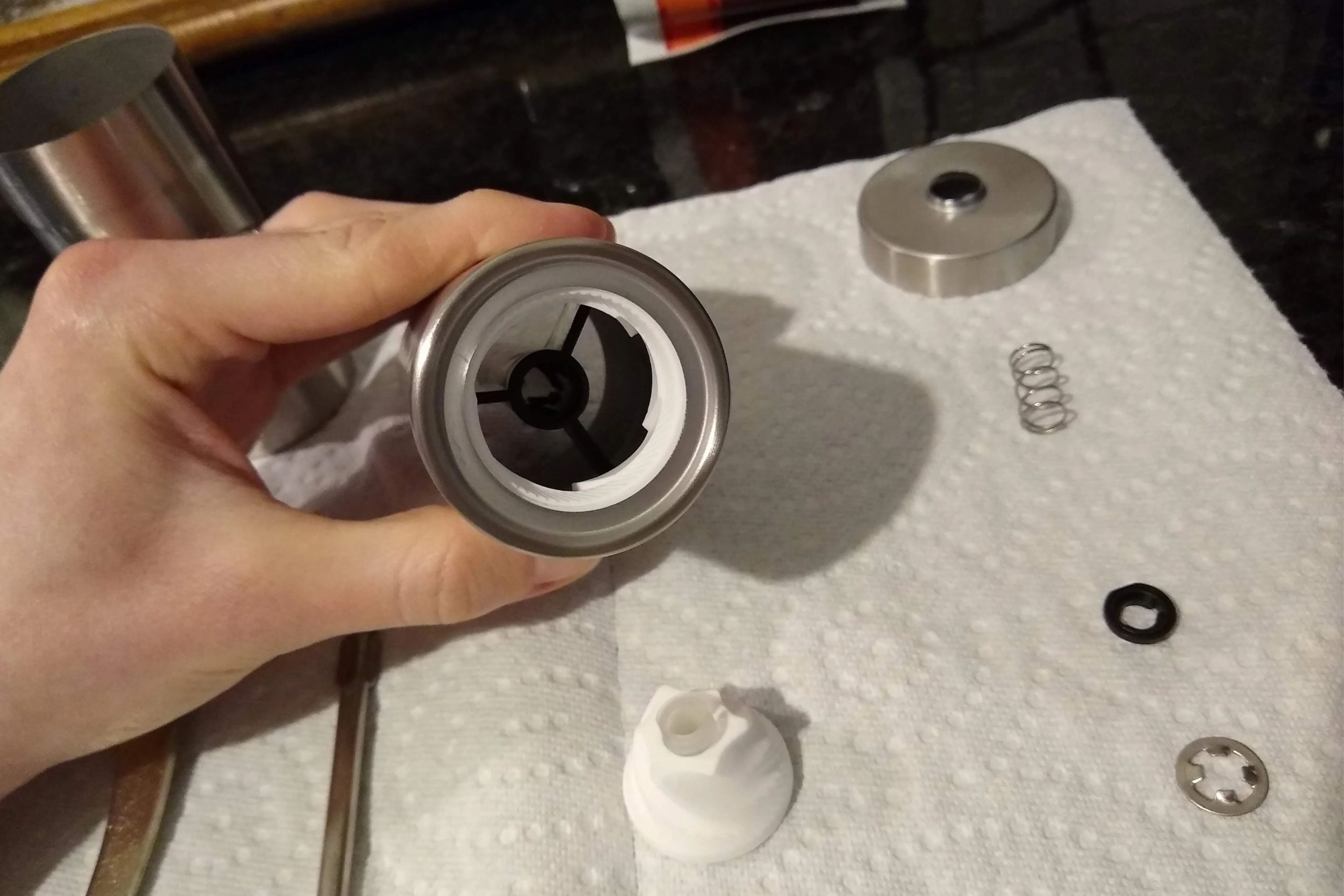
Manual grinders are exactly what they sound like. You turn the handle. Burrs crush the beans. Coffee comes out.
They look basic, but modern manual grinders are far better than most people expect.
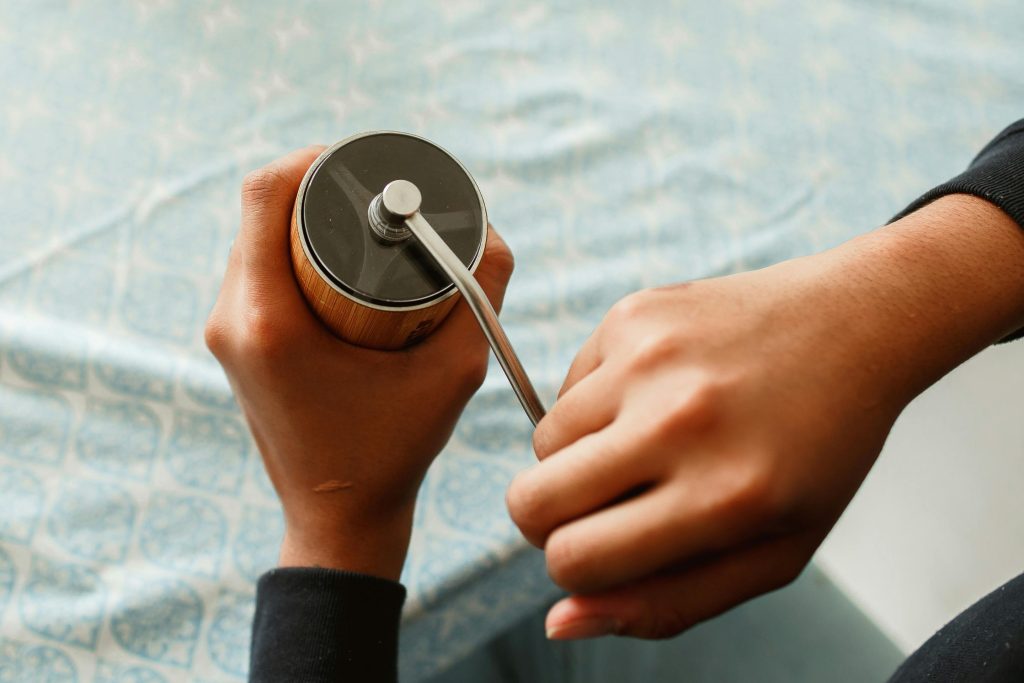
What Manual Grinders Do Well
Consistency for the price
Dollar for dollar, manual grinders often give you better burr quality than cheap electric grinders. There’s no motor to pay for, so more of the budget goes into the burrs themselves.
Small kitchens and limited space
I’ve brewed coffee in kitchens where counter space barely existed. A manual grinder fits in a drawer, a bag, or a corner without becoming clutter.
Quiet mornings
If you brew early or live with light sleepers, this matters. Manual grinding makes a soft, steady sound. No sudden noise.
Travel-friendly
For anyone brewing in hotels, Airbnbs, or temporary homes, a manual grinder is easy to carry and reliable anywhere.
Where Manual Grinders Struggle
Time and effort
Grinding for one cup is fine. Grinding for two or three starts to feel like a task. Espresso grind sizes take longer and require more force.
Consistency at larger volumes
If you’re making coffee for multiple people every morning, manual grinding gets old quickly.
Daily routine fatigue
On calm mornings, it’s pleasant. On rushed mornings, it can be the thing that pushes you back to pre-ground coffee.
What an Electric Coffee Grinder Is Like to Use
Electric grinders remove friction. Literally and mentally.
You press a button. Coffee is ready.
That simplicity changes how often people actually grind fresh beans.
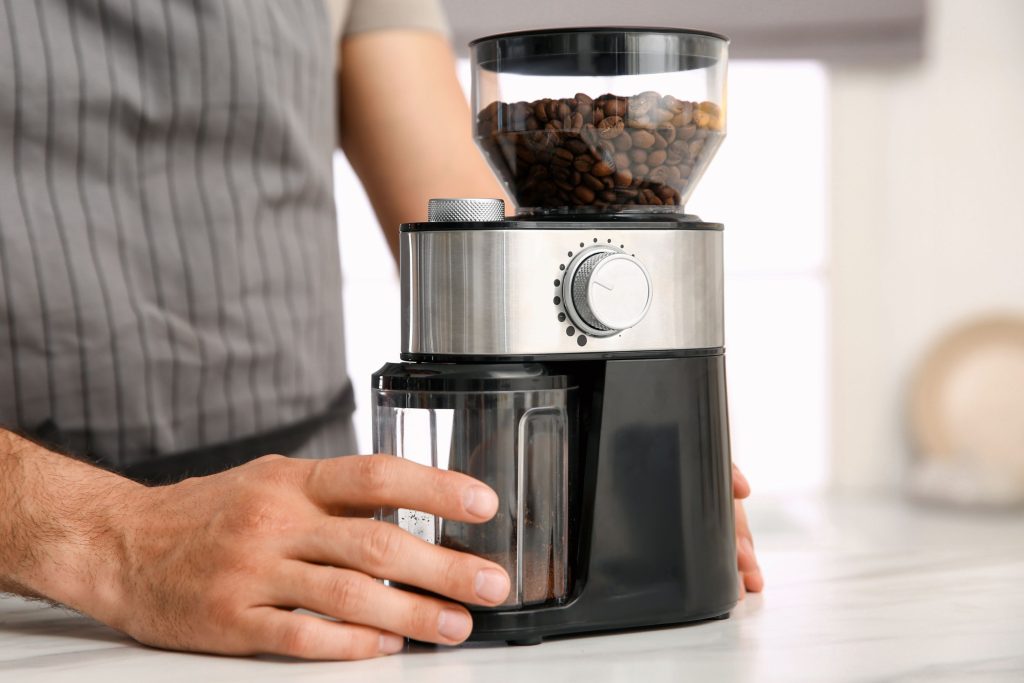
What Electric Grinders Do Well
Speed and ease
If coffee is part of a busy routine, electric grinders help it stay there. They reduce steps, which reduces friction.
Multiple cups, no effort
Grinding enough coffee for two or three people takes seconds, not minutes.
Better fit for espresso
Electric grinders handle fine grind sizes more comfortably, especially if espresso becomes a regular thing.
Consistency over time
Once dialed in, electric grinders produce repeatable results without physical effort.
Where Electric Grinders Fall Short
Counter space
Even compact models take up permanent room. In small kitchens, that matters.
Noise
Electric grinders are loud. Not always a deal-breaker, but worth knowing.
Budget trade-offs
Cheaper electric grinders often sacrifice burr quality. At low price points, this is where inconsistency shows up.
How Brew Method Changes the Decision
Your brewing method matters more than most people realize.
Pour-Over, AeroPress, French Press
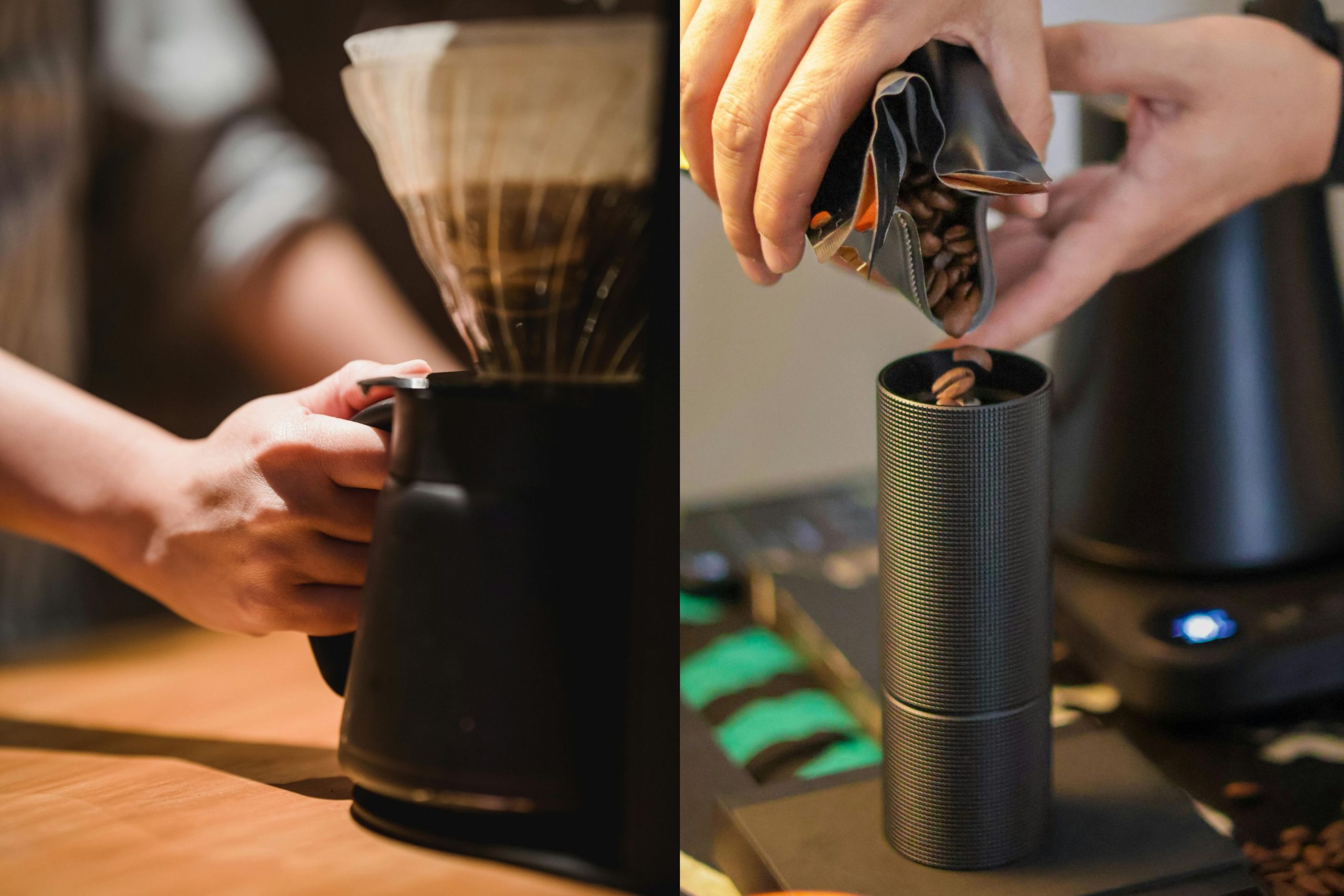
Manual grinders work very well here. Medium to coarse grind sizes are forgiving, and consistency matters more than speed.
If you brew one or two cups at a time, manual grinding fits naturally.
Espresso or Espresso-Style Brewing
Electric grinders are usually the better choice. Fine grind sizes require more effort and precision. Doing that by hand every day becomes tiring fast.
Drip Coffee Makers
Either works. The choice comes down to volume and routine. One cup: manual is fine. A full pot every morning: electric starts to make more sense
Cost: Where Your Money Actually Goes
Price ranges overlap more than people expect.
A solid manual grinder can cost more than a basic electric one. A reliable electric burr grinder usually costs more than entry-level manual options.
The key question is not how much you spend, but what you get for that money.
- Manual grinders put most of the cost into burr quality and build.
- Electric grinders split cost between burrs, motor, housing, and electronics.
If your budget is tight and taste matters more than speed, a good manual grinder often delivers better results. If convenience and volume matter more, saving for a capable electric grinder makes sense.
Maintenance and Longevity
Manual grinders are mechanically simple. There is little to fail if you keep them clean.
Electric grinders have motors and switches that eventually wear. That does not make them unreliable, but it does mean maintenance and build quality matter.
Cleaning is similar for both: occasional burr cleaning and brushing out old grounds. The difference is that electric grinders often make it easier to access burrs, while manual grinders reward patience and care.
So, Which One Should You Choose?
Here is the simplest way I can put it.
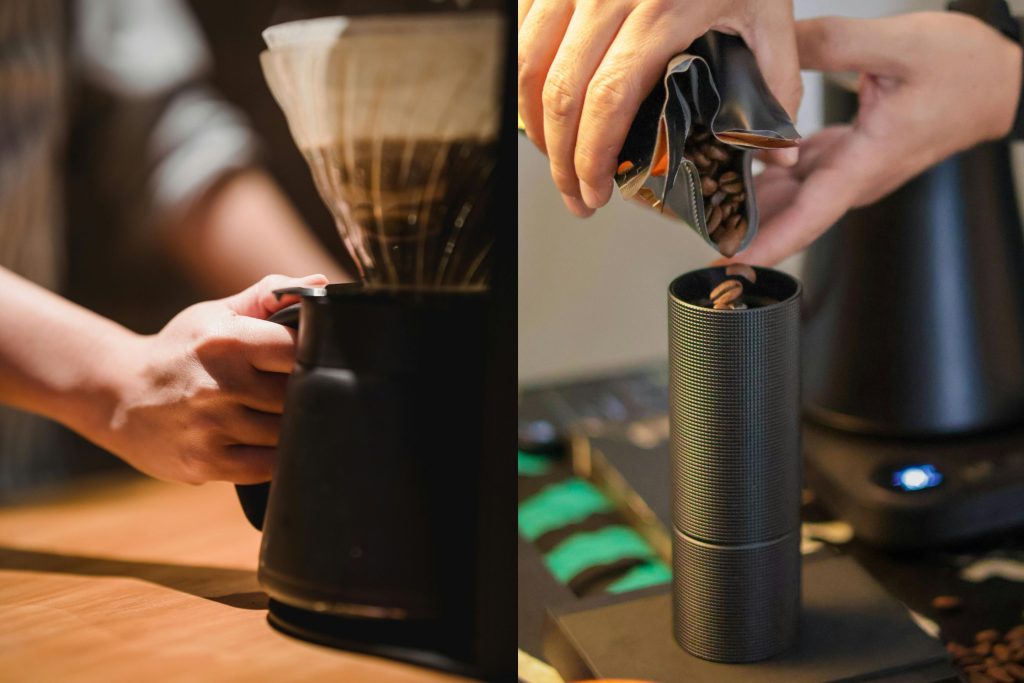
Choose a manual grinder if:
- You brew one cup at a time
- You value quiet and compact gear
- You enjoy a slower, tactile routine
- Your budget favors grind quality over speed
Choose an electric grinder if:
- You brew daily, often in a hurry
- You make coffee for more than one person
- You want repeatability with less effort
- You are willing to give up some space for convenience
Neither choice locks you into a path forever. Many people start manual and move electric later, or keep both for different situations.
A Common Middle Ground People Miss
Many people start with a manual grinder and later move to electric. That’s not a failure or an upgrade path. It’s just learning what fits.
I’ve also seen people go the other way. Downsizing kitchens. Traveling more. Wanting less noise and less gear.
Your grinder should support your habits, not demand new ones.
Where to Go Next
If this helped clarify the direction, the next step is choosing specific models that match your needs.
You may want to explore:
- Best manual coffee grinders (for quality-focused setups)
- Best electric coffee grinders (for speed and consistency)
- How much you should spend on a grinder
- When you do not need to upgrade your grinder
All of these pages link back to the main Coffee Grinders Guide so you can move at your own pace.
A Final Thought
The best grinder is the one you actually use, every day, without frustration.
Coffee improves through small, repeatable habits. Grinding fresh is one of the biggest. Whether you turn a handle or press a button matters far less than choosing a tool that fits your real life.
That is how good coffee quietly becomes normal.