

Coffee Brewing Methods Explained: How to Choose the Right One for You
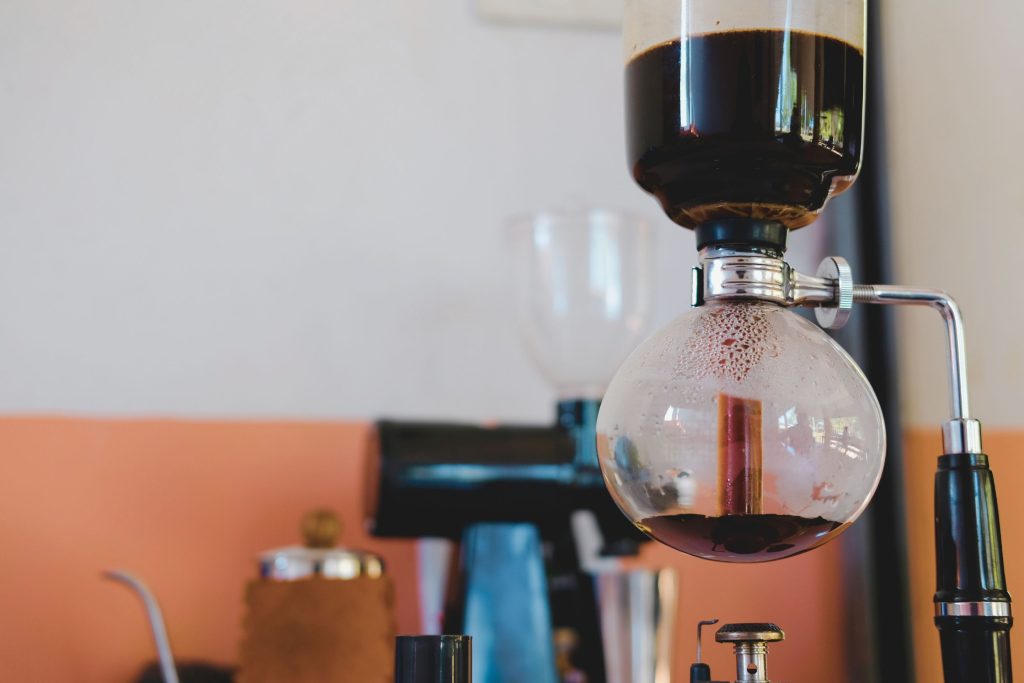
I’ve spent over a decade making coffee in cafes and home kitchens, and I’ve learned something that surprises most people: the brewing method you choose matters more than the beans you buy, especially when you’re starting out.
This isn’t about elitism or expensive equipment. It’s about understanding that each brewing method extracts coffee differently, and those differences show up clearly in your cup. French press coffee tastes heavier and more textured than pour over. Moka pot delivers intensity that cold brew never will. AeroPress offers control that automatic drip machines can’t match.
I write this guide from small kitchens in temporary homes while traveling. I’ve brewed coffee in spaces smaller than most people’s bathrooms, and I’ve learned which methods actually fit into real life. Some brewing methods promise more than they deliver. Others surprise you with how much they improve your daily coffee without adding complexity.
This guide covers the main brewing methods you’ll encounter, what each one does well, and who should consider it. I’m not here to sell you on one perfect method because that method doesn’t exist. What works for someone with counter space and time won’t work for someone brewing in a hotel room before an early meeting. What satisfies a beginner won’t challenge someone who’s ready to explore more.
If you’re trying to figure out which brewing method makes sense for your situation, your taste preferences, and your actual kitchen, this is where we start.
The Main Types of Coffee Brewing Methods
There’s no single “best” way to brew coffee. The best method is the one that fits your taste, your routine, and your patience level. Every brewing method falls into one of a few basic categories based on how water and coffee interact. Immersion methods let coffee steep in water. Percolation methods pass water through coffee grounds. Pressure-based methods force water through tightly packed grounds.
Understanding these distinctions helps you predict what a method will produce before you commit to learning it. The methods I cover here represent the ones you’ll actually use or hear about. I’m skipping obscure techniques and focusing on what works in regular kitchens for regular people.
French Press Coffee
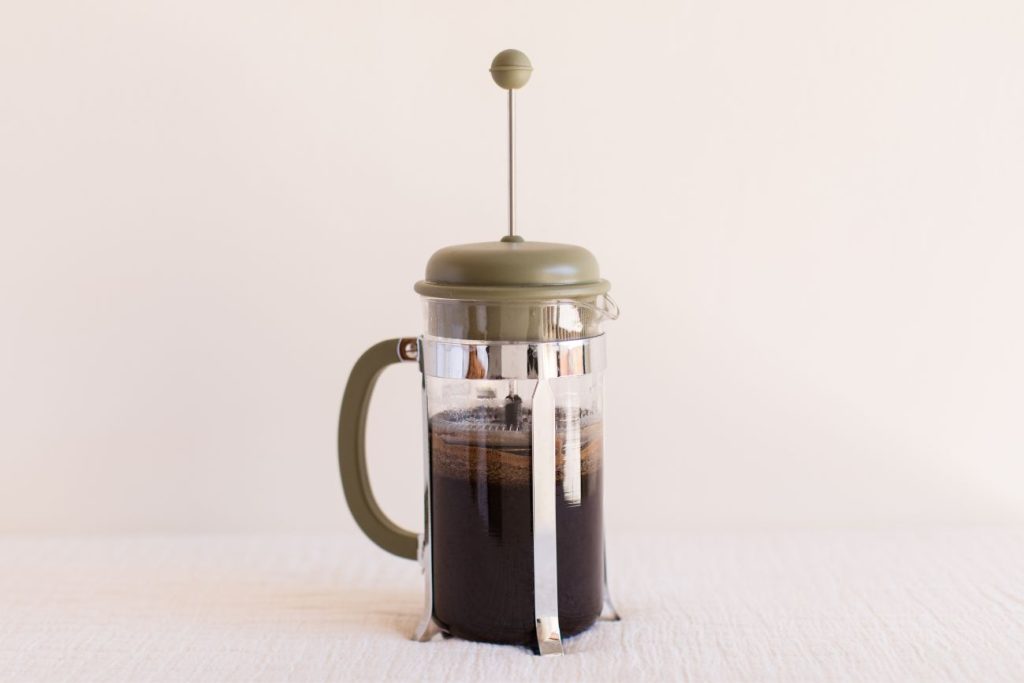
French press is one of the simplest ways to brew coffee, and it’s often where people first realize coffee can taste richer than they expected. It uses full immersion brewing where you add coarse coffee grounds to hot water, let them steep for four minutes, then press a metal filter down to separate grounds from liquid.
It produces a full-bodied, bold cup because the coffee grounds steep directly in hot water, and the metal filter allows coffee oils and fine particles through. This creates a heavier body and fuller texture than paper-filtered methods. You get more of the coffee’s natural oils, which means more body but also more sediment at the bottom of your cup. Some people love this texture. Others find it too thick or gritty.
Best for:
- People who like strong, textured coffee
- Beginners who want something forgiving
- Brewing for more than one person
Things to know:
- Grind size matters – too fine leads to bitter coffee fast
- Cleanup is slightly messier than drip methods
- Coffee continues extracting if left in the press, which turns it bitter
- Brewed coffee cools faster than in insulated containers
French press works well for people who want straightforward brewing without much technique. It’s forgiving with timing and doesn’t require precision pouring. It makes multiple cups at once, which matters if you’re brewing for two people or want a second cup without starting over.
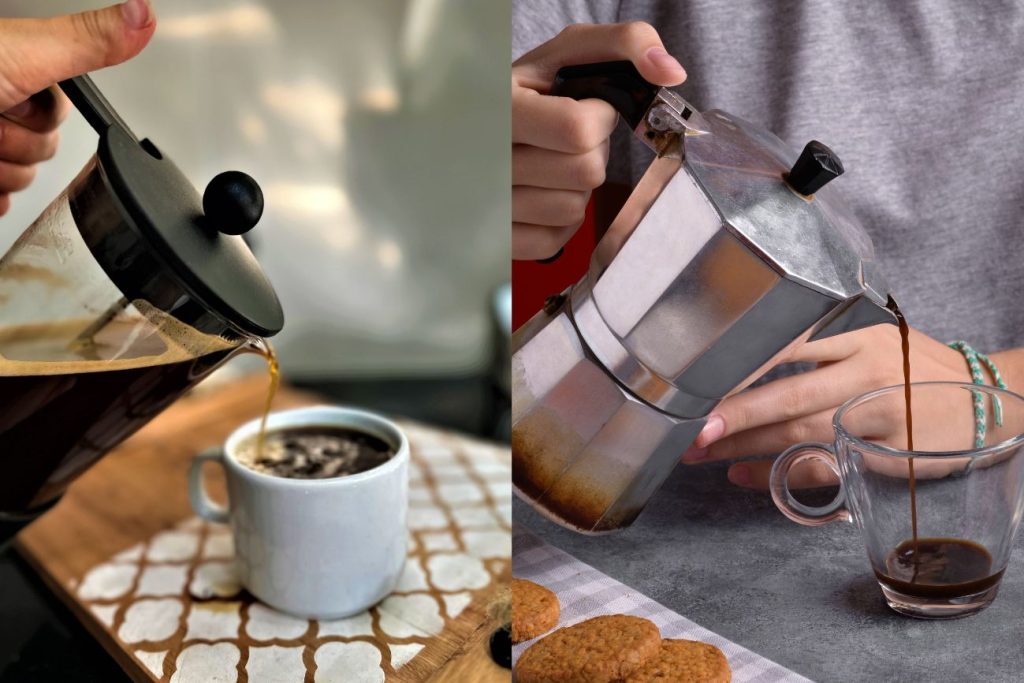
If you want a deeper look at technique and common problems, I’ve written a complete guide to French Press brewing that covers everything from grind size to steeping time. I’ve also compared French press directly with AeroPress and moka pot to help you understand which approach delivers what you’re looking for.
Pour Over Coffee (V60, Chemex)
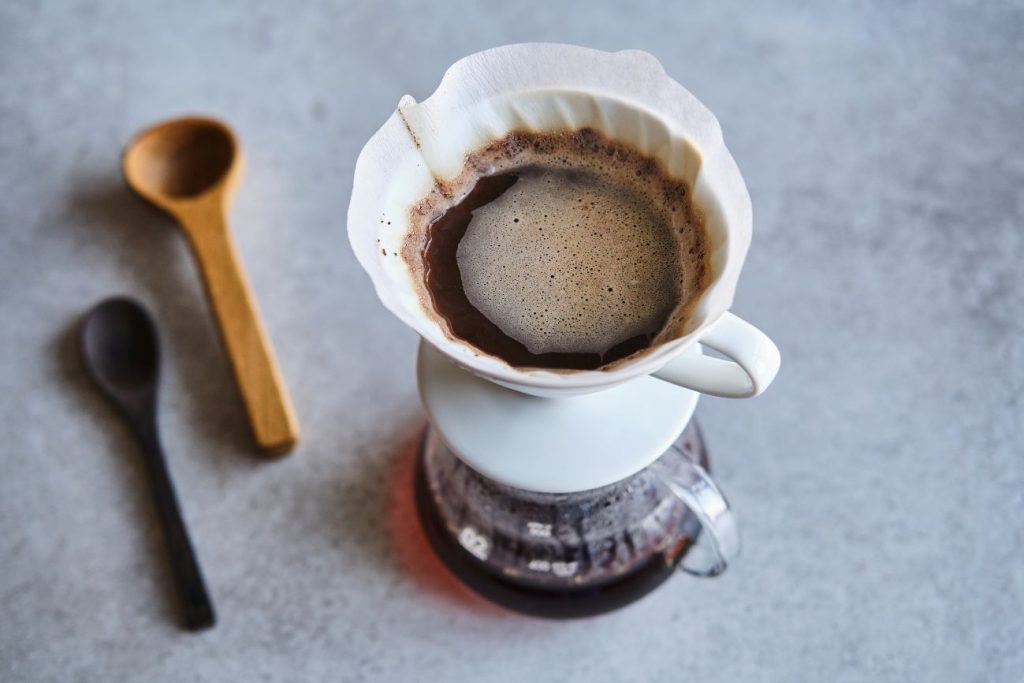
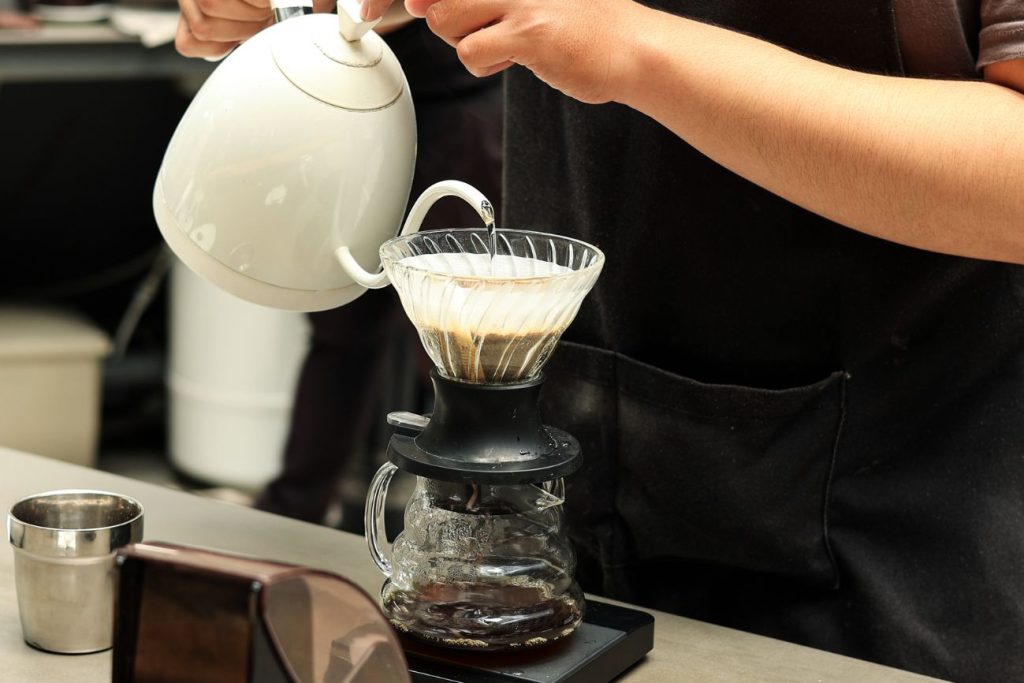
Pour over coffee gives you the most control over the brewing process, and it also demands the most attention. Pour over methods use paper or metal filters and rely on gravity to pull water through coffee grounds. The two most common devices are the Hario V60 and the Chemex, though other options exist.
When done well, pour over produces a clean, bright cup that highlights subtle flavors in the beans. Paper filters trap oils and fine particles, which creates coffee that’s more tea-like than French press. You taste the coffee’s individual characteristics more clearly because nothing masks or muddles them. When done poorly, it can taste thin or sour.
Best for:
- People who enjoy the process and have a few extra minutes
- Lighter roasts and specialty beans
- One or two cups at a time
Things to know:
- Requires consistent pouring technique
- Your pouring pattern, water temperature, and grind size directly affect extraction
- Needs a good grinder to shine
- First few attempts might not taste right while you develop muscle memory
The technique matters more here than with immersion methods. This gives you control, but it also means your results vary until you build consistency. I spent weeks adjusting my pour over technique before I consistently made coffee I actually wanted to drink. If you’ve struggled with pour over before, it’s usually not the beans, it’s the grind size or water ratio.
Pour over suits people who enjoy the ritual of making coffee and want to taste the differences between beans. It’s genuinely satisfying once you develop the muscle memory, but it requires attention and practice. I’ve written specific guides for brewing with the Hario V60 and the Chemex that walk through technique in detail, and I’ve explained the real differences between pour over and automatic drip coffee for people trying to decide between them.
Moka Pot Coffee
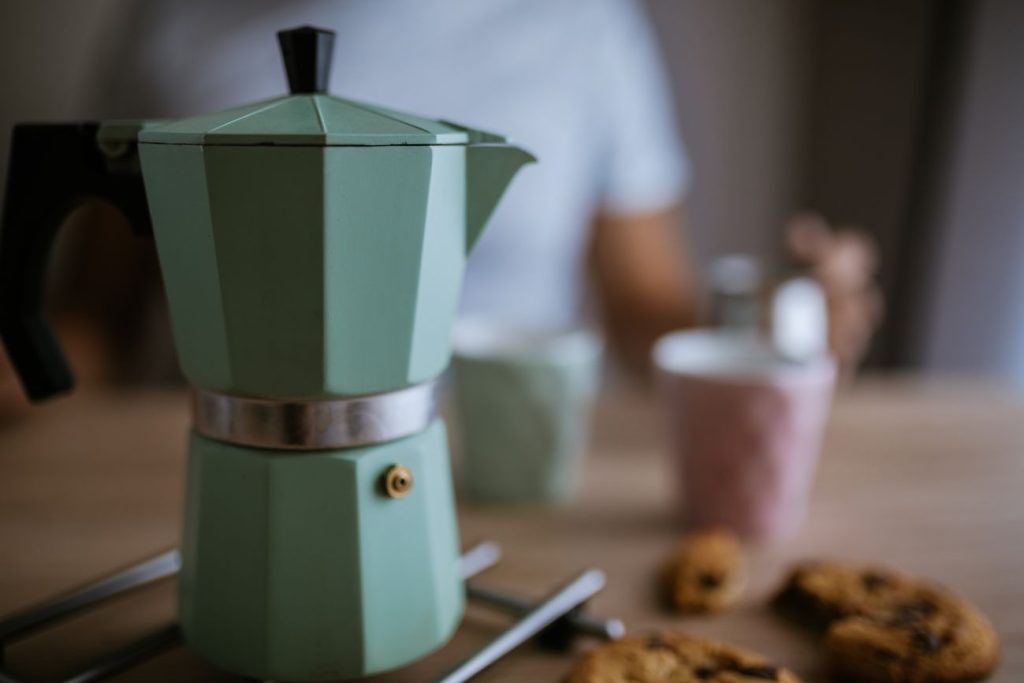
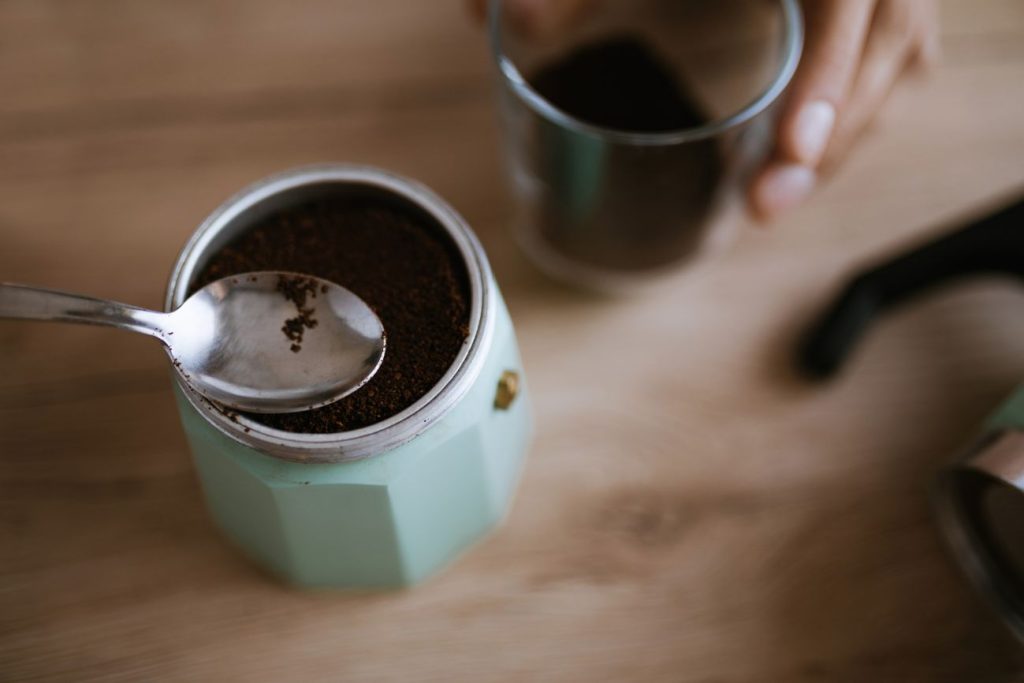
Moka pot coffee sits somewhere between drip coffee and espresso. Moka pots use steam pressure to push water through coffee grounds. You fill the bottom chamber with water, add grounds to the middle basket, and place it on the stove. As water heats, pressure builds and forces water up through the coffee and into the top chamber.
It brews under pressure on the stovetop and produces a strong, concentrated cup that works well on its own or with milk. The result is intense coffee that’s heavier than regular brewed coffee but doesn’t match true espresso’s pressure or crema. Think of it as bold coffee rather than espresso substitute, even though people often use it that way.
Best for:
- Espresso-style drinks without an espresso machine
- Small kitchens with limited counter space
- Budget-conscious setups
- People who want strong coffee and have stove access
Things to know:
- Heat control is critical – too much creates bitter, burnt-tasting coffee
- Wrong grind size either clogs the basket or produces weak results
- Once dialed in, moka pots are incredibly satisfying but they punish shortcuts
- Requires a small learning curve to get consistently good results
Moka pots are deceptively simple to use badly and surprisingly tricky to use well, but once you understand the few variables that matter, it becomes reliable. I particularly value moka pots in small kitchens because they’re compact, make strong coffee without electricity, and feel less precious than glass pour over devices. They’re also genuinely durable. I’ve used the same moka pot for years across dozens of temporary homes.
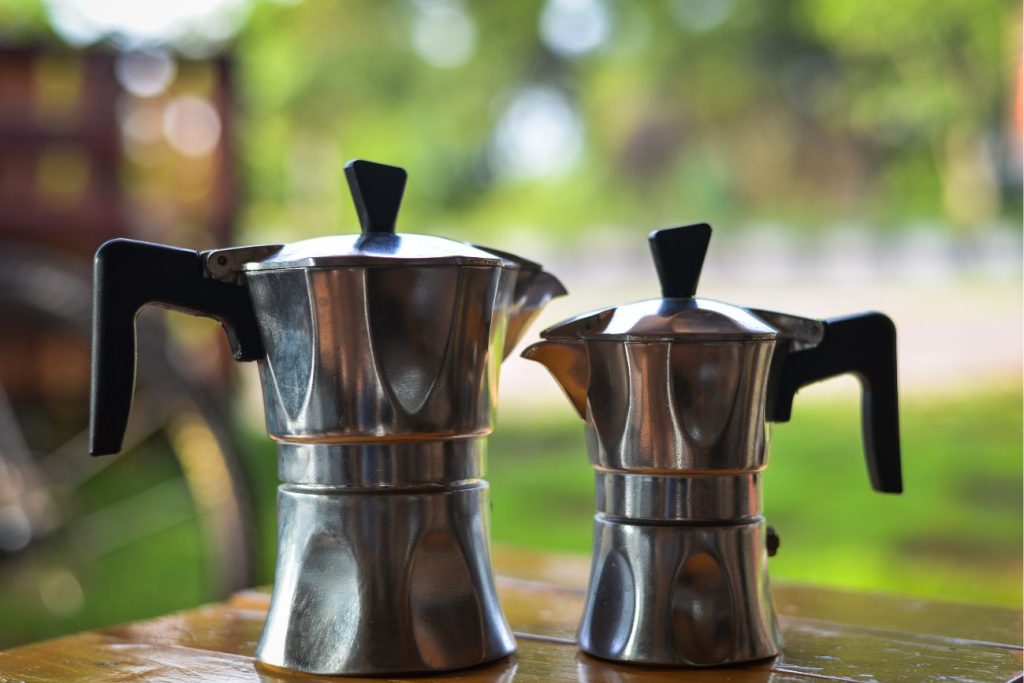
I’ve put together a beginner’s guide to moka pot brewing that covers the technique step by step, a guide to choosing the right moka pot size for your needs, and a collection of tips and troubleshooting solutions for common problems. If you’re deciding between moka pot and French press based on strength and body, I’ve written a direct comparison.
Cold Brew Coffee
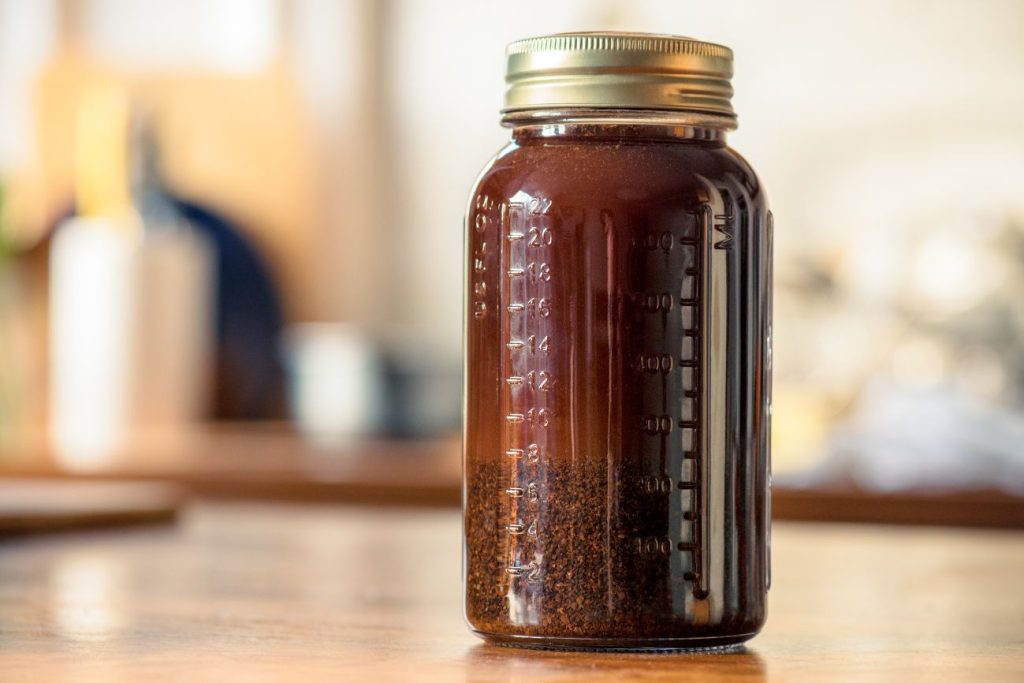
Cold brew is brewed with time, not heat. Coffee grounds steep in room temperature or cold water for twelve to twenty-four hours. The long extraction time at low temperature produces coffee concentrate that you dilute with water or milk before drinking.
It results in a smooth, low-acid coffee that’s easy to drink and easy on the stomach. The taste profile differs significantly from hot brewing methods. Cold water extracts coffee differently, pulling out fewer of the compounds that create acidity and bitterness. The result is smooth, sweet, and mellow. Some people find it almost too smooth, lacking the complexity that hot brewing provides.
Best for:
- Iced coffee drinkers
- Sensitive stomachs
- Batch brewing and make-ahead convenience
Things to know:
- Requires planning ahead – you need to start half a day before you want coffee
- Uses more coffee than hot methods
- Figuring out dilution takes experimentation
- Cold brew mistakes usually come from grind size and steeping time, not the recipe itself
Cold brew works well for people who drink iced coffee regularly or want to prepare several days worth of coffee at once. You make a batch, store it in the refrigerator, and pour it as needed. This convenience matters if mornings are chaotic or you want consistent coffee without daily brewing. The main downsides are time and dilution guesswork, but once you establish your preferred ratio, it’s remarkably consistent.
I’ve written an ultimate guide to cold brew that covers the complete process from start to finish. If you want to add texture to your cold brew, I’ve also covered techniques for creating foamy bubbles at home and how to make nitro cold brew without specialized equipment.
AeroPress Coffee
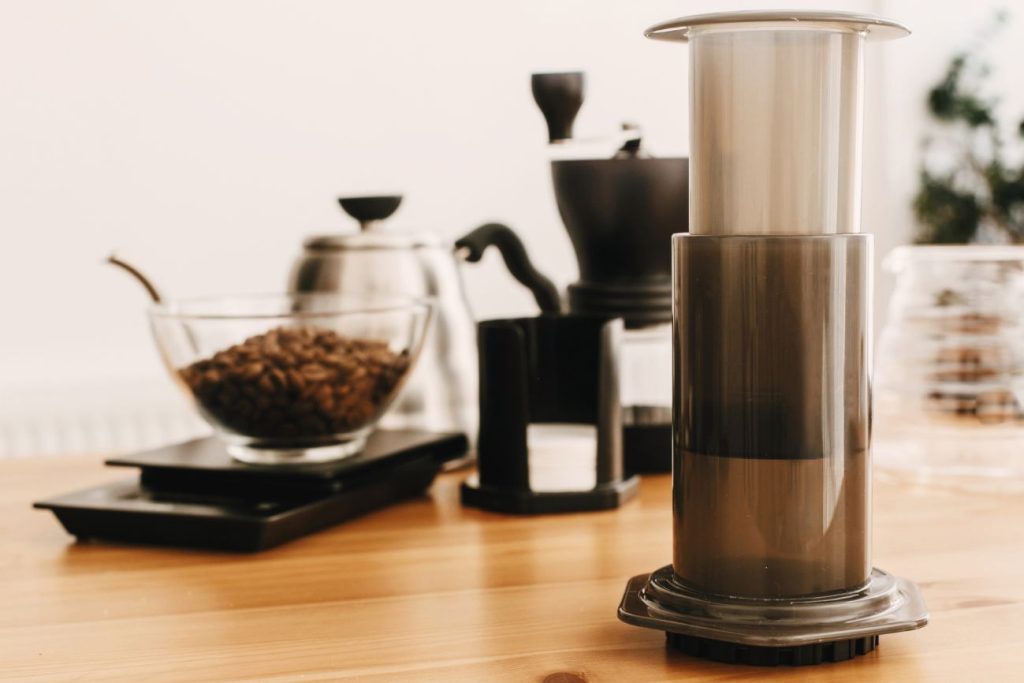
AeroPress is small, fast, and surprisingly versatile. It combines immersion and pressure brewing in a compact plastic device. You add coffee and water, stir briefly, then press a plunger to force liquid through a paper filter into your cup. The entire process takes around two minutes.
It can make anything from a clean cup to a concentrated shot, depending on how you use it. You can brew something close to espresso-strength coffee or produce a cleaner, lighter cup depending on your recipe. This adaptability makes AeroPress popular with people who like experimenting with different brewing parameters.
Best for:
- Travel and small spaces
- Experimenters who want flexibility
- People who want quality without complexity
- Anyone making one cup at a time
Things to know:
- Small batch size: you’re making one cup per brewing session
- Many recipes exist, which can feel confusing at first
- Nearly indestructible and lightweight
- Fast enough for weekday mornings
I particularly appreciate AeroPress for travel because it makes genuinely good coffee in hotel rooms and Airbnbs. If you want one brewer that adapts to different situations, AeroPress is hard to beat. The main limitation is volume. You’re making one small cup at a time, which means multiple brewing sessions if you want a full mug or if you’re making coffee for someone else.
I’ve written a dedicated guide to using AeroPress for travel that explains why it works so well on the road. If you’re deciding between AeroPress and French press, I’ve compared both methods directly to help you understand their different approaches.
Turkish Coffee
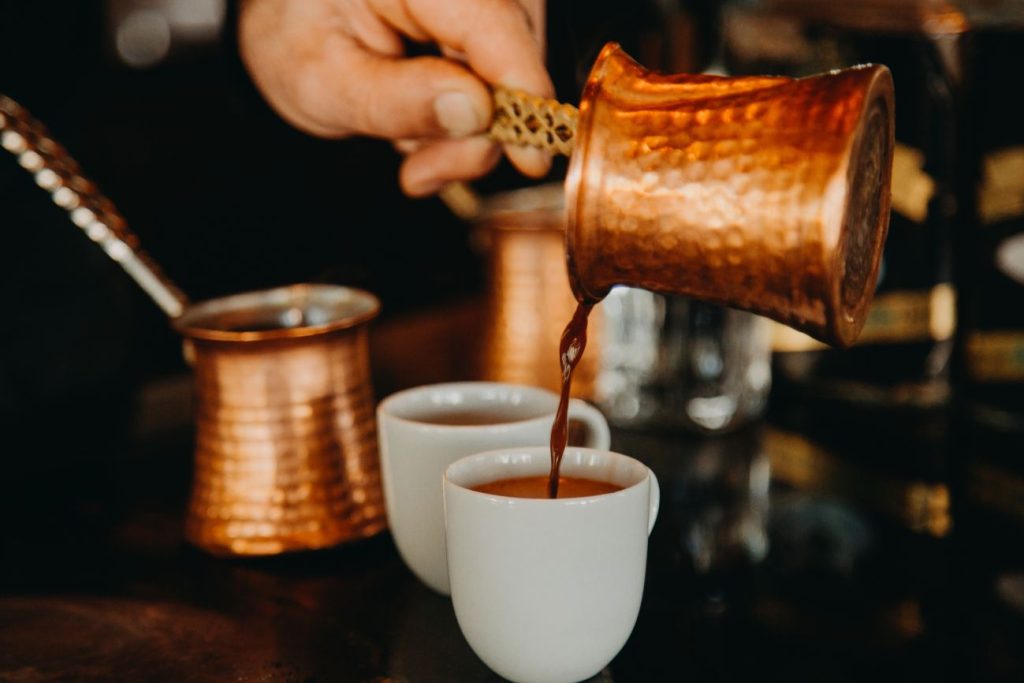
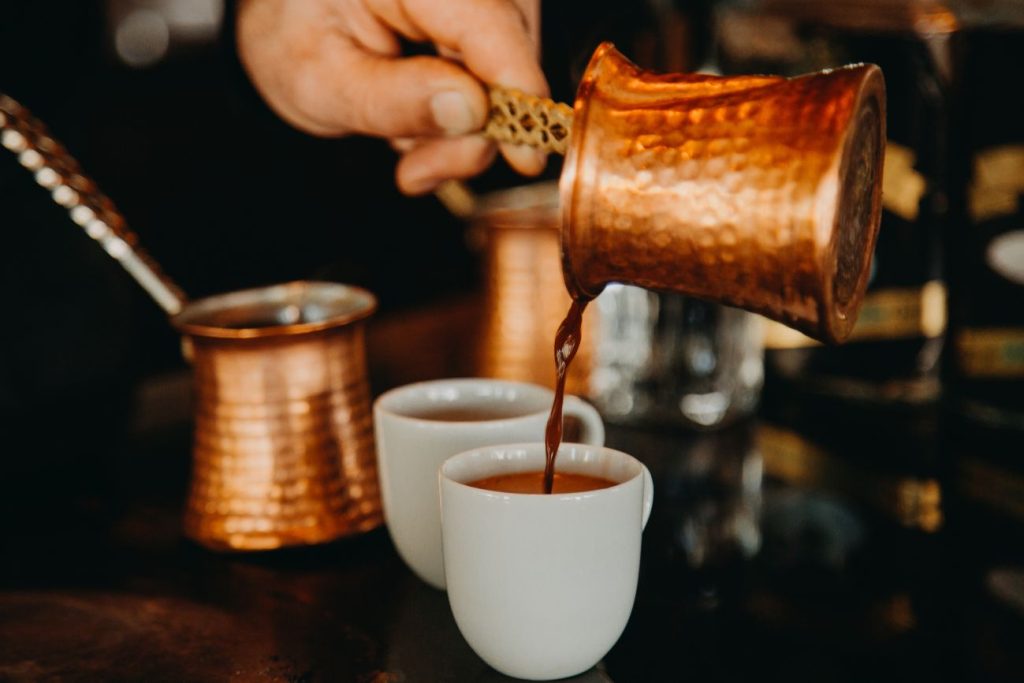
Turkish coffee is one of the oldest brewing methods and one of the most unique. It uses a special pot called a cezve or ibrik to brew very finely ground coffee with water and sometimes sugar. You heat the mixture until it foams, pour it into small cups, and drink it grounds and all. The grounds settle at the bottom, and you leave them there.
The coffee is brewed unfiltered with very fine grounds, producing a thick, intense cup with foam on top. It’s a completely different experience from filtered methods because you’re drinking coffee with its grounds still present. This isn’t better or worse, just different, and it matters that you understand what you’re getting into.
Best for:
- Traditional preparation and cultural experience
- Strong, ceremonial coffee
- People who want to explore coffee traditions beyond Western styles
Things to know:
- Requires very fine grind—finer than espresso, closer to powder
- Most regular grinders can’t produce this consistency
- Brewing technique takes practice and careful watching
- It’s not an everyday method for most people, but it’s worth experiencing at least once
Turkish coffee requires the right grind size, which means you either need a specialized grinder or you buy pre-ground Turkish coffee. The brewing technique also takes practice because you need to catch the coffee just as it foams but before it boils over. This method suits people who appreciate ritual and ceremony with their coffee, but it’s not practical for everyday drinking unless you grow up with it or really commit to the process.
I’ve written a complete guide to traditional Turkish coffee brewing that covers the technique and cultural context in detail.
Espresso (With or Without Machines)
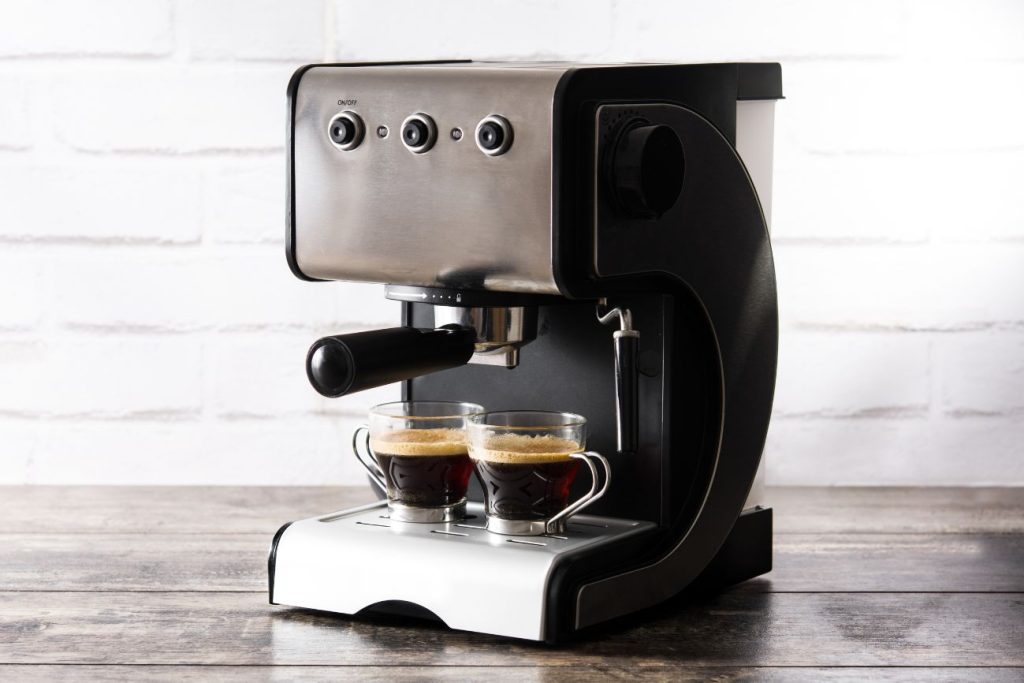
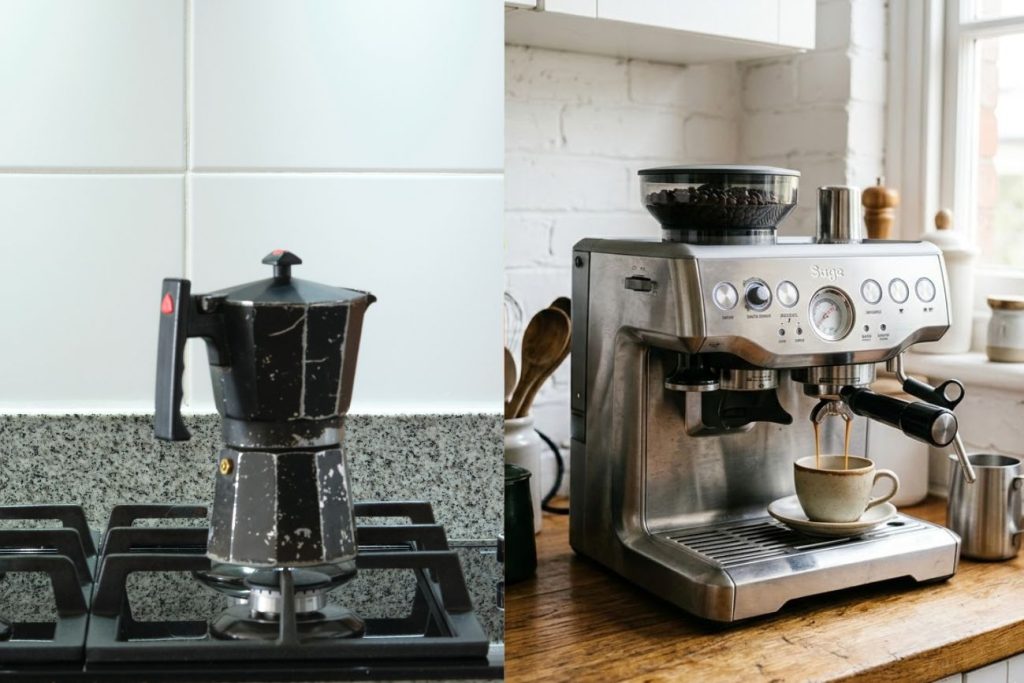
Espresso is often misunderstood. It’s not just “strong coffee”—it’s a brewing method that uses pressure to extract coffee quickly. True espresso requires a machine that forces hot water through finely ground coffee at around nine bars of pressure. This high-pressure extraction creates concentrated coffee with a layer of crema on top, and it forms the base for cappuccinos, lattes, and other milk drinks.
Home espresso machines range from a few hundred to several thousand dollars. The expensive ones produce café-quality results if you learn how to use them properly. The cheaper ones often frustrate people because they lack the pressure, temperature stability, or build quality to make genuinely good espresso.
You can make espresso with machines, but there are also manual ways to get close without one. Manual lever devices and the AeroPress using specific recipes can create concentrated coffee that works well in milk drinks or as a small, intense shot. They won’t match real espresso exactly, but they’re viable alternatives.
Best for:
- Milk-based drinks like lattes and cappuccinos
- People who enjoy precision and technical challenges
- Coffee as a hobby rather than just a morning routine
Things to know:
- Espresso rewards patience and punishes guesswork
- Grind size matters down to individual seconds of brewing time
- Water temperature needs stability within a few degrees
- Requires more precision than any other method
- Needs counter space and budget for proper equipment
Espresso brewing demands more precision than any other method. The coffee puck needs even tamping and proper distribution. This precision is what makes espresso rewarding for some people and frustrating for others. It’s not practical if you want simple morning coffee or if you’re still learning basic brewing fundamentals.
I’ve written about how to brew espresso-style coffee at home without a machine for people who want the experience without the investment. I’ve also covered common espresso mistakes and how to fix them for people who already have equipment but struggle with consistent results.
How Brewing Methods Affect Taste
If your coffee tastes wrong, the method is often the reason. The brewing method you choose determines which compounds extract from your coffee grounds. This isn’t abstract theory. It’s the reason French press tastes different from pour over even when you’re using identical beans.
Water temperature affects extraction. Hotter water pulls out more compounds, including bitter ones. Cooler water extracts less and can leave coffee sour or thin. Contact time matters too. Longer brewing extracts more, which can enhance body or create bitterness. Shorter brewing leaves potential flavor in the grounds.
The filter type changes what ends up in your cup. Paper filters trap oils and fine particles, creating cleaner coffee. Metal filters allow these elements through, producing fuller body and heavier texture. No filter at all, as with Turkish coffee, means maximum body but also maximum sediment.
These variables combine to create the taste differences you experience. When coffee tastes wrong, it’s usually because one of these elements is off. Understanding this helps you troubleshoot problems and adjust your approach.
Bitter coffee usually comes from over-extraction or too fine a grind. The water pulled out too many compounds, including the harsh, unpleasant ones that appear last. This happens when brewing time is too long, water is too hot, or grounds are too fine for your method. Sometimes it’s a combination. French press left steeping for ten minutes will taste bitter regardless of other variables. Pour over with boiling water will extract bitterness even with correct timing. I’ve written a detailed guide about why coffee turns bitter and exactly how to fix it for each brewing method.
Sour coffee indicates under-extraction or coffee brewed too fast. The water didn’t pull enough out of the grounds, leaving you with underdeveloped, sharp acidity. This happens with water that’s too cool, brewing time that’s too short, or grounds that are too coarse. Pour over that finishes in under two minutes often tastes sour. Moka pot taken off heat too early produces the same result. Understanding sour coffee and how to correct it makes troubleshooting much easier.
Weak coffee means insufficient coffee-to-water ratio or under-extraction. The grind is often too coarse or the ratio is off. Either you didn’t use enough grounds for the amount of water, or the brewing method didn’t extract effectively from the grounds you used. This is different from light-bodied coffee, which can be flavorful despite feeling thin. Weak coffee just tastes like disappointment and regret. I’ve covered specific fixes for weak coffee that work across different brewing methods.
High acidity exists on a spectrum from bright and pleasant to sharp and sour, and it can be reduced by switching methods, not beans. Some brewing methods emphasize acidity while others minimize it. Pour over tends to highlight acidity, especially with light-roasted beans. French press softens acidity through oils and body. Cold brew reduces it significantly through low-temperature extraction. Understanding coffee acidity and when it’s good versus when it’s a problem helps you choose the right brewing method for your taste preferences.
Which Brewing Method Is Best for Beginners?
I get asked this constantly, and my answer frustrates people because it depends on what you actually want from coffee and what your daily routine looks like. If you’re just starting out, look for a method that is forgiving, affordable, easy to clean, and consistent.
If you want the most forgiving method that produces decent coffee without much technique, French press, drip machines, moka pots, and AeroPress are usually the best starting points. Neither French press nor drip machines require precision. Neither punishes small mistakes harshly. You can make acceptable coffee from day one, then gradually improve as you pay attention to details like grind size and water temperature.
If you value cleanliness and clarity over body and richness, pour over is worth learning even though it requires more attention initially. The technique develops faster than most people expect. Your tenth cup will be significantly better than your first, and your fiftieth will be genuinely good.
If you want strong coffee and don’t mind learning through trial and error, moka pot delivers intensity that other beginner-friendly methods can’t match. The learning curve is real but not steep. Most people figure out their moka pot within a week of regular use.
If your kitchen is tiny or you travel frequently, AeroPress offers the best combination of quality, convenience, and portability. It won’t make ten cups for weekend brunch, but it will make genuinely good coffee wherever you happen to be.
The honest answer is that you should start with the method that matches your actual situation. There’s no universal best choice, and pretending otherwise doesn’t help anyone. What matters is understanding what each method delivers and what it demands from you. If you want help choosing gear without overbuying or unnecessary complexity, I’ve put together a beginner coffee setup guide that walks through what you actually need based on your chosen brewing method and budget.
Common Brewing Mistakes That Affect Every Method
After ten years of making coffee and watching other people make coffee, I’ve noticed the same mistakes appear regardless of brewing method. Most bad coffee comes from wrong grind size, poor ratios, old beans, and rushing the process. Fixing just one of those often improves your coffee overnight. These aren’t specific to French press or pour over. They undermine any brewing method when they’re present.
Using water that’s too hot or too cold. Most people either use boiling water straight from the kettle or water that’s cooled too much while they’re doing something else. The ideal range for most brewing methods is between 195°F and 205°F (90°C to 96°C). Boiling water is 212°F (100°C), which is too hot and extracts bitterness. Water below 190°F (88°C) won’t extract enough and leaves coffee sour or weak.
The fix is simple but requires attention. If you’re boiling water, let it sit for thirty seconds after it stops boiling. If you’re heating water without a thermometer, stop before it reaches a full boil. You’re looking for water that’s steaming steadily but not rolling with bubbles.
Grinding too early or using the wrong grind size. Pre-ground coffee loses flavor quickly because more surface area is exposed to air. Coffee ground immediately before brewing tastes noticeably better than coffee ground the day before. I understand that grinding fresh isn’t always practical, but the difference is real enough that it’s worth mentioning.
Grind size matters more than most beginners realize. Each brewing method has an appropriate grind range, and staying in that range matters more than getting the perfect setting on your first try.
Ignoring the coffee-to-water ratio. Most brewing problems trace back to using too much or too little coffee for the amount of water. The standard starting point is around fifteen to sixteen parts water to one part coffee by weight. This means 30 grams of coffee for 500 grams of water, or about two tablespoons per six ounces of water if you’re measuring by volume.
You can adjust from there based on taste, but you need a baseline to adjust from. People who eyeball everything rarely improve because they’re never making the same coffee twice. Even rough measurements create consistency you can build on.
Not cleaning equipment properly. Coffee oils build up on brewing devices, especially in places you can’t easily see. These old oils turn rancid and affect the taste of fresh coffee. French presses need thorough cleaning around the filter screen. Pour over drippers need oils cleaned from the inside ridges. Moka pots need their rubber gaskets replaced periodically.
I know this sounds tedious, but it takes an extra thirty seconds after brewing and prevents the stale, slightly off taste that creeps into coffee when equipment isn’t maintained.
Leaving brewed coffee sitting too long. Coffee tastes best within fifteen to twenty minutes of brewing, then gradually degrades. French press left sitting on the plunger continues extracting and turns bitter. Pour over left in the pot oxidizes and loses brightness. Even the best coffee becomes disappointing coffee after half an hour on a warming plate.
The solution is either brewing smaller amounts or transferring coffee to an insulated container immediately after brewing. I use a simple vacuum flask for this, which keeps coffee hot and fresh for several hours without continued extraction or oxidation.
I’ve written a comprehensive guide to common coffee brewing mistakes that covers these issues in more detail with specific solutions for each brewing method.
Frequently Asked Questions
Which brewing method is easiest for complete beginners?
French press and automatic drip machines are the most forgiving for people who’ve never made coffee beyond instant or pod machines. Both tolerate imprecise measurements and timing without producing undrinkable results. French press gives you slightly more control over variables like water temperature and brewing time, while drip machines handle everything automatically once you add water and grounds.
AeroPress is nearly as easy once you understand the basic steps, and it produces more consistent results than French press in my experience. But it requires buying a specific device, while many people already have a drip machine at home.
Which brewing method makes the strongest coffee?
Moka pot produces the most concentrated coffee among common brewing methods, though it’s not technically espresso. A properly brewed moka pot delivers bold, intense coffee that works well for milk drinks or small, strong cups.
Cold brew concentrate can be extremely strong before dilution, but the flavor profile is different from moka pot’s intensity. Cold brew is smooth and mellow even when concentrated, while moka pot is assertive and sharp.
Espresso is the strongest in terms of concentration, but it requires specialized equipment that most beginners aren’t ready to invest in.
Which brewing method is cheapest to start?
French press and pour over are the most affordable entry points. A decent French press costs between fifteen and thirty dollars. A basic pour over setup—dripper, filters, and a kettle—runs twenty-five to forty dollars if you buy carefully.
Moka pot is inexpensive but requires a grinder capable of medium-fine grinding, which adds to the initial cost. AeroPress costs around thirty-five dollars, which is reasonable but more than basic French press.
The real ongoing cost comes from the grinder, not the brewing device. A decent burr grinder costs at least sixty dollars, but it matters more than any brewing method for consistent results.
Can I use the same grind size for different brewing methods?
No, each method requires specific grind sizes because contact time and extraction rates differ. French press needs coarse grounds because of the long steeping time. Pour over uses medium grounds because water passes through them relatively quickly. Moka pot requires medium-fine grounds to create appropriate resistance for pressure brewing.
Using the wrong grind size is one of the fastest ways to make bad coffee. A grind that works perfectly for French press will clog your moka pot or produce weak, under-extracted pour over.
How do I know if my brewing method is the problem or if it’s my beans?
This is genuinely difficult to diagnose without experience, but generally, if your coffee consistently tastes bitter, sour, or weak despite changing beans, the brewing method is probably the issue. If the coffee sometimes tastes good and sometimes doesn’t with the same method and beans, you’re likely being inconsistent with technique or measurements.
The simplest test is to buy a bag of beans from a reputable local roaster and ask them how they’d brew it. Follow their recommendations precisely, then evaluate. If it still tastes wrong, your technique needs adjustment. If it tastes good, your previous beans were the problem.
Do I need to buy expensive equipment to make good coffee at home?
No, but you need certain minimum-quality tools. A decent grinder matters more than an expensive brewing device. A reliable way to heat water to the right temperature matters more than a fancy kettle. A basic scale for measuring coffee and water matters more than premium filters.
I’ve made excellent coffee with a twenty-dollar French press and a fifty-dollar hand grinder. I’ve also seen people make disappointing coffee with three hundred dollar espresso machines because they didn’t understand the basics. The equipment amplifies your knowledge and technique. It doesn’t replace them.
Finding Your Brewing Method
You don’t need to master every brewing method. Pick one that fits your life, learn it well, and improve from there. Coffee gets better when it becomes simple, not when it becomes complicated.
The right brewing method is the one you’ll actually use consistently and that produces coffee you want to drink. This sounds obvious, but I’ve watched people invest in elaborate pour over setups they abandon after two weeks because pouring water in careful circles at 7 AM didn’t fit their actual life.
Pay attention to what you value. If you want the ritual and don’t mind taking a few extra minutes, pour over or AeroPress offers that. If you want straightforward coffee without thinking hard before your first cup, French press or a simple drip machine makes more sense. If you need strong coffee and have limited space, moka pot delivers.
Also pay attention to what frustrates you. If cleanup feels like a burden, avoid methods with multiple parts. If inconsistent results bother you, learn methods that offer more control over variables. If making multiple cups matters because you drink two mugs or share with someone else, single-cup methods will disappoint you.
I’ve used all these methods in different periods of my life, and I’ve found that my preferences change based on where I am and what my daily routine looks like. The moka pot that I relied on for years in small apartments now sits unused while I’m using AeroPress during frequent travel. Neither method is better. They’re appropriate for different situations.
Your goal shouldn’t be finding the “best” brewing method. It should be understanding what each method offers and choosing the one that matches your current needs. As your situation changes or as you develop more interest in coffee, you can explore other methods. But starting with something that fits your life right now is more valuable than starting with something that’s theoretically optimal but practically frustrating.
If you’re ready to choose gear without the guesswork and unnecessary purchases, I’ve written a beginner coffee setup guide that walks through specific equipment recommendations for each brewing method, organized by budget and priority. It’s designed to help you build a practical coffee setup without buying things you won’t use.
Related Articles
Here’s a quick overview of the related brewing methods. Explore each one in more detail and find the perfect way to enjoy your coffee.
How to Master the Pour-Over Coffee Method: A Complete Brewing Guide (2026)
Most people making pour-over at home are doing at least two things wrong. Not because…
Moka Pot vs Espresso: After 15 Years Making Both, Here’s the Honest Difference
Most coffee debates aren’t really about flavor. They’re about defending purchases. Someone buys an expensive…
Moka Pot Sizes Explained (And How to buy the right One)
Buying the wrong moka pot size is one of the most common mistakes I see…
French Press vs. Moka Pot: Which One Is Actually Right for You?
Coffee is the first thing that coffee enthusiasts think of when they wake up. There…
20 Moka Pot Tips to Brew Better Coffee at Home
The humble Moka pot is an iconic piece of Italian coffee culture and a staple…
Turkish Coffee: Brewing Guide, Traditions, and Cultural Significance Explained
If you’ve ever heard the term “Turkish coffee” or watched a Turkish serial, you’ll want…