The moka pot gets blamed for a lot of bad coffee it didn’t actually make.
Burnt taste, harsh bitterness, thin body… people blame the pot. Most of the time, the pot is innocent. The beans are the culprit. Or more specifically, the wrong beans used in a method that has zero tolerance for poor choices.
I’ve brewed moka pot coffee in more kitchens than I can count. It’s the method I keep coming back to when space is limited and I still want something with real intensity. Over time I’ve learned that the moka pot is genuinely opinionated about what you feed it. Use the right beans and it rewards you with a rich, bold, deeply satisfying cup. Use the wrong ones and you’re drinking something that tastes like a mistake.
Here’s what actually works, and why.
Why Bean Choice Matters More in a Moka Pot Than Most Methods
Most brewing methods are reasonably forgiving. French press is almost impossible to ruin with decent beans. Pour over rewards good beans but won’t punish you catastrophically for mediocre ones.
The moka pot is different.
It brews under pressure, with high heat, and the water moves through the grounds fast. That combination amplifies everything like good flavors get more intense, but flaws in the beans get more intense too. Harsh, over-roasted bitterness becomes unbearable. Poor quality robusta becomes almost undrinkable. Thin, acidic beans become sharp and unpleasant.
The moka pot doesn’t forgive weak bean choices. It exposes them.
This is actually good news if you know what you’re looking for. The right beans in a moka pot produce coffee with a depth and richness that genuinely rivals café drinks at a fraction of the cost. Understanding what the method needs from the beans is the difference between a cup you want to drink and one you push to the side.
This is also why your moka pot brewing technique and your bean choice work together. You can’t fix bad beans with good technique, and good beans won’t save bad technique. Both matter.
The Roast Level Question: What the Moka Pot Actually Wants
This is where most guides get it wrong by being too absolute. “Only use dark roast.” Or the opposite: “Medium roast is better.” Both are oversimplifications.
Here’s the honest version.
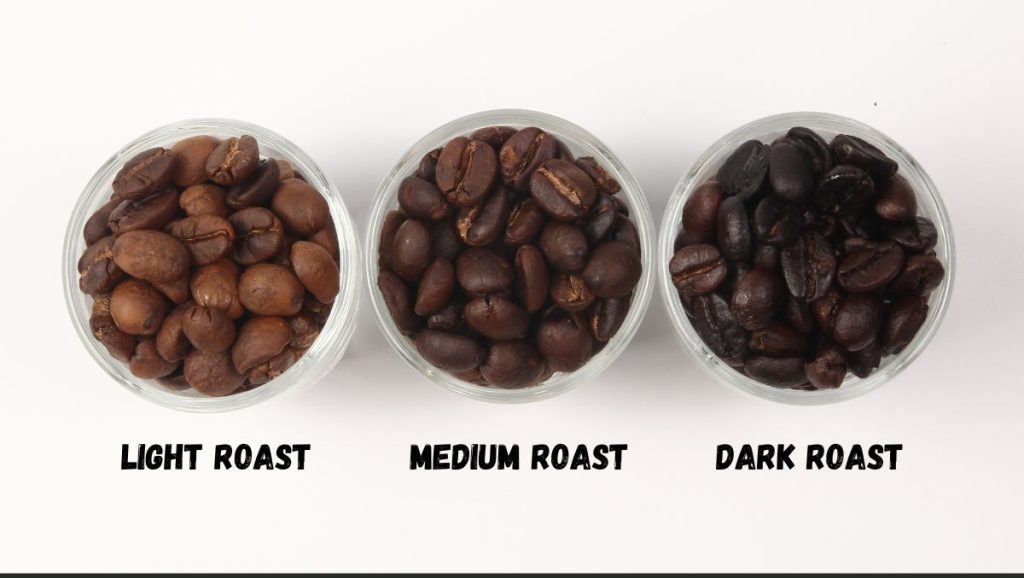
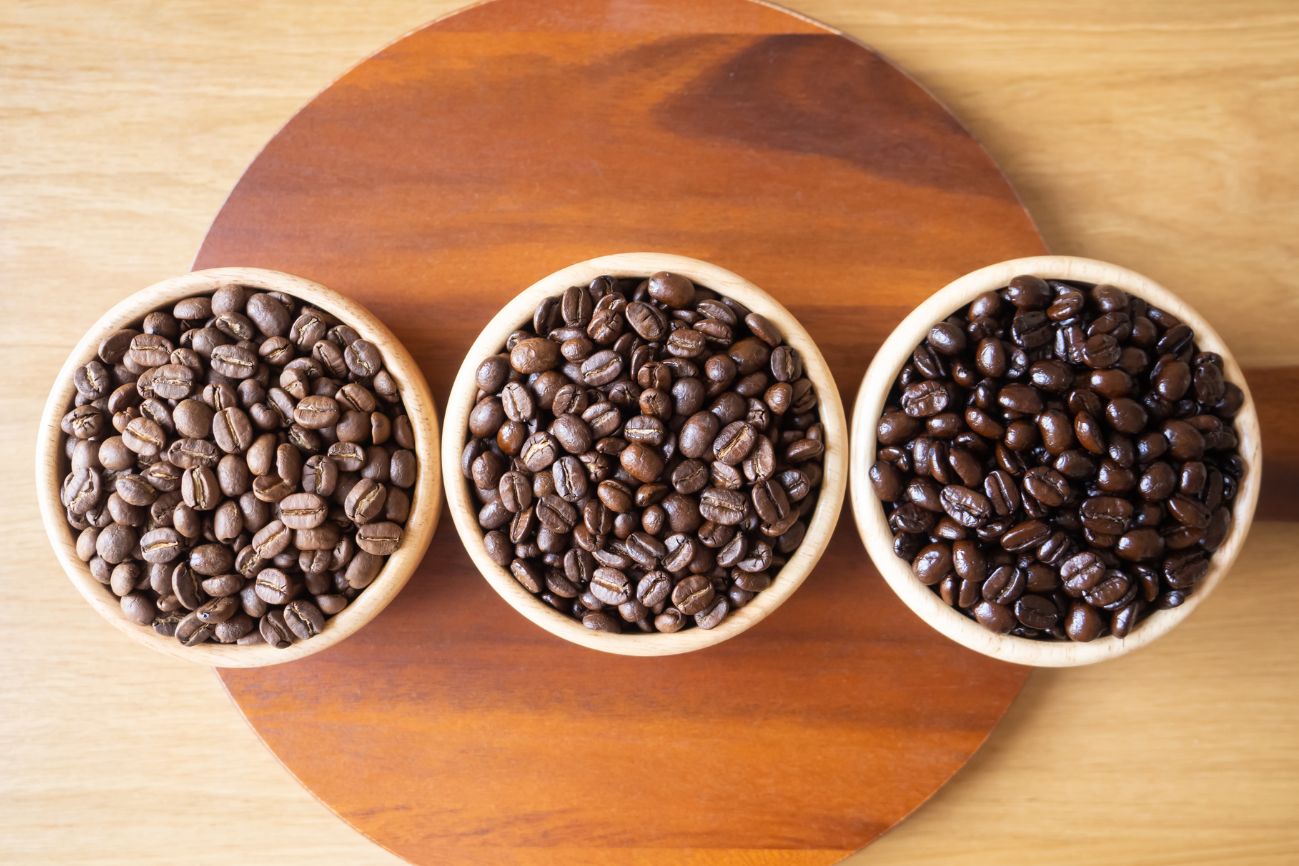
Medium-Dark Roast: The Sweet Spot
This is where I always start. Medium-dark roasts give the moka pot what it does best with. You get body and richness without harsh, burnt flavors. Low-to-moderate acidity that the pressure brewing can handle without turning sharp. Sweetness in the form of caramel, chocolate, or nutty notes that hold up under heat.
This is the roast range that traditional Italian espresso beans occupy. Not coincidentally, Italy is where the moka pot was invented. There’s a reason the tradition landed on this roast level, it genuinely works.
If you’re new to Moka pot, try Lavazza Qualità Oro Whole Bean. A 100% Arabica blend from Central America and the African highlands, Lavazza specifically lists the moka pot as an ideal preparation for this blend. It’s been a household standard in Italy for 70 years. There’s a reason for that.
Dark Roast: It Can Work, But Buy Carefully
Dark roast and moka pot is a common pairing, and it works when the roast is done well. The problem is that a lot of commercially available dark roast beans are actually over-roasted. Beans that look lacquered with grease have been roasted past the point of flavor complexity and into pure bitterness.
Those beans will make harsh, acrid moka pot coffee. No technique fixes that.
If you like dark roast, the benchmark product is illy Intenso Whole Bean Dark Roast. illy uses pressurized packaging that preserves aroma for up to two years. It’s not cheap per ounce, but the quality is consistent and it behaves well in the moka pot.
Light Roast: Possible, But Challenging
I won’t say never. But light roast in a moka pot requires real attention. The method’s heat and pressure tends to push high acidity into sharp, sour territory rather than the pleasant brightness you’d get from the same beans in a pour over.
If you want to try it, use a slightly coarser grind than normal moka pot grind, lower heat, and beans from a roaster who understands pressure brewing. Not the default choice, but not impossible.
So what? Start with medium-dark. Adjust from there once you know how your specific moka pot behaves with your stove and grind.
The Actual Products Worth Buying: A Tier Breakdown
Rather than a vague origin discussion, here’s how I’d think about real buying decisions at different price points and goals.
Best Everyday Italian Blend: Lavazza Super Crema Whole Bean
Price: Around $22-25 for 2.2 lbs
Roast: Medium espresso roast
Best for: Daily moka pot brewing, moka pot milk drinks
Buy it from: Amazon or directly from lavazzausa.com.
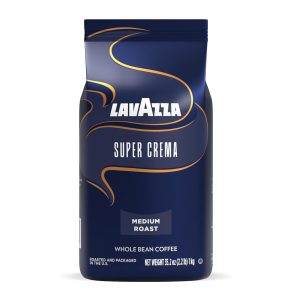
Super Crema is Lavazza’s best-selling blend, a full-bodied medium roast with notes of hazelnut and brown sugar, sourced from 15 coffee-growing countries. It’s an Arabica and Robusta blend built to produce a bold, creamy texture. The Robusta content around 30%, adds body and a slight crema effect that the moka pot handles nicely. If you’re making moka pot cappuccino-style drinks where you add milk, this is the blend I’d reach for. It has enough backbone to come through.
Best Premium 100% Arabica: Lavazza Qualità Oro Whole Bean
Price: Around $23 for 2.2 lbs
Roast: Medium
Best for: Clean, sweet, aromatic moka pot coffee; if you prefer no Robusta
Buy it from: Amazon or lavazzausa.com.
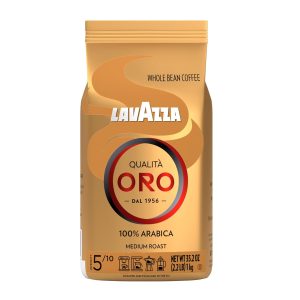
Lavazza’s Qualità Oro is a 100% Arabica blend that produces smooth, aromatic coffee with excellent sweetness and golden crema in a moka pot. It’s their premium single-variety option with fruity and floral notes. Compared to Super Crema it’s softer and more delicate. Less aggressive, more refined. If you drink your moka pot coffee black and want clarity over intensity, this is the better choice between the two Lavazza options.
Best Dark Roast Whole Bean: illy Intenso Whole Bean
Price: Around $15-17 for 8.8 oz; available in multipacks on Amazon
Roast: Dark (Intenso)
Best for: People who want bold, traditional Italian-style moka pot coffee
Buy it from: Amazon or directly from illy.com.
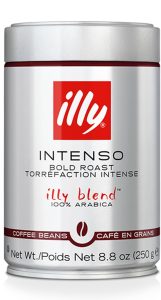
illy’s Intenso whole bean is a 100% Arabica dark roast with notes of cocoa and dried fruit, designed for moka pot and espresso. illy recommends grinding with a burr grinder just before brewing to get the full aromatic depth. It’s more expensive per ounce than Lavazza, but illy’s sourcing and roasting consistency are unusually reliable. You rarely get a bad batch. For someone who drinks moka pot coffee daily and wants something that feels like authentic Italian espresso culture, this is the choice.
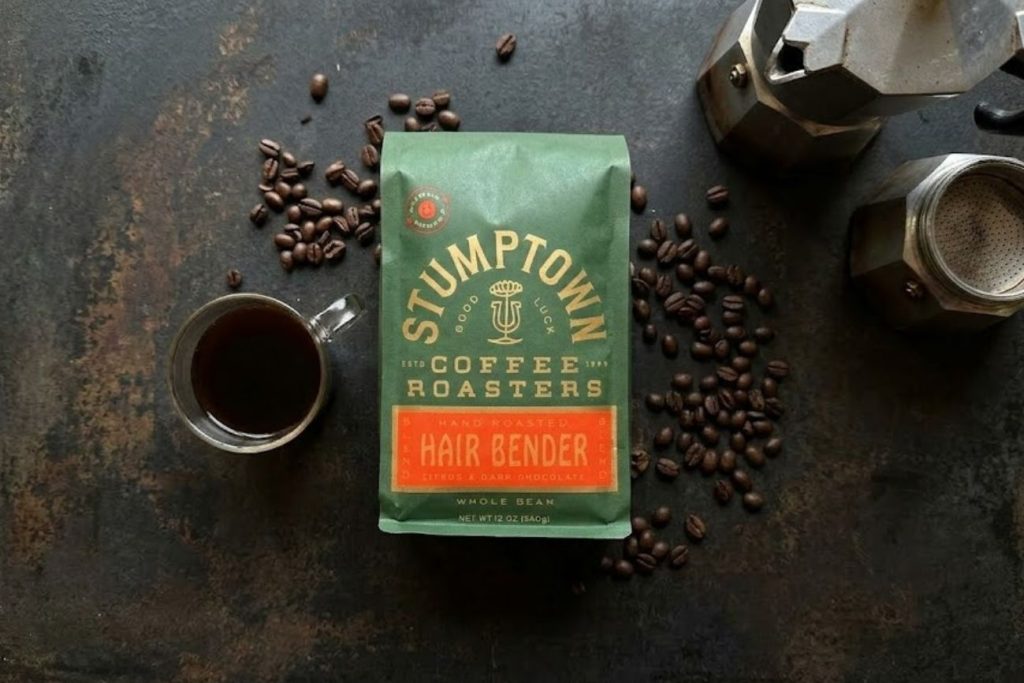
Best Specialty Option: Stumptown Hair Bender Whole Bean
Price: Around $16-18 for 12 oz
Roast: Medium
Best for: People who want complexity and layered flavor rather than pure intensity
Buy it from: Amazon, Target, or stumptowncoffee.com (direct from the roaster gives you the freshest beans).
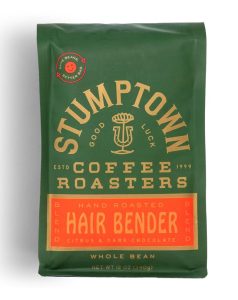
Stumptown Hair Bender is a 100% Arabica medium roast with flavor notes of citrus and dark chocolate, drawing on coffees from Central and South America, East Africa, and Indonesia. It’s roasted for espresso preparation but works across methods. In a moka pot it behaves differently from an Italian blend, less classically bold, more nuanced. If you’ve been using Lavazza for a while and want to understand how origin variety changes the cup, this is a smart next step.
Best Organic / Low-Acid Option: Lifeboost Dark Roast Whole Bean
Price: Around $25-30 for 12 oz
Roast: Dark
Best for: People with sensitive stomachs, or who want organic and pesticide-free beans
Buy it from: Amazon or lifeboostcoffee.com for subscriptions and bundle pricing.
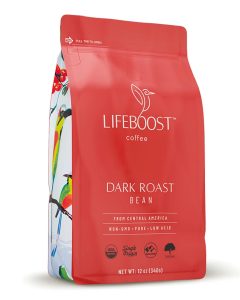
Lifeboost is USDA Certified Organic and third-party tested for mycotoxins, heavy metals, pesticides, and over 400 other toxins. The beans are shade-grown at high elevation in Central America, sun-dried, and spring water washed. The dark roast produces notes of chocolate and caramel with low acidity.
It’s the priciest option here per ounce, and it’s not for everyone. But if you’ve had issues with coffee acidity, or you specifically want clean-sourced beans, Lifeboost does deliver on its claims. The moka pot’s intensity makes that low-acid quality especially noticeable.
Single Origin vs. Blends: Which Is Better for Moka Pot?
Short answer is blends usually work better for everyday moka pot brewing.
Single origin coffees are designed to showcase specific, distinctive flavors. That’s wonderful in a pour over where those nuances have room to express themselves. In a moka pot, the heat and pressure can flatten or distort delicate single-origin characteristics.
A well-constructed blend like particularly one designed for espresso or pressure brewing is built for exactly what the moka pot does. The roaster has already balanced acidity, body, and sweetness to hold up under intense extraction.
This doesn’t mean single origin is wrong. It means you need to buy it from a roaster who understands pressure brewing and roasts accordingly.
Pre-Ground vs. Whole Bean: There Is Only One Right Answer
Buy whole bean. Grind fresh before each brew.
Pre-ground coffee starts losing its best volatile compounds within minutes of grinding. The moka pot will extract everything that’s left, including staleness.
You don’t need an expensive grinder. A decent burr grinder in the $60-100 range handles the medium-fine consistency the moka pot needs. The coffee grinder guide on this site walks through what to look for if you’re buying your first one.
Freshness: The Variable Nobody Talks About Enough
Even the best beans in the world taste flat and lifeless if they’re old. Coffee peaks between 4 and 14 days after roasting and is still good up to about 4 weeks.
What to look for on the bag:
- A roast date, not a best-by date
- Roasted within the last 4 weeks ideally
- One-way valve packaging
Supermarket coffee rarely has a roast date. That difference explains a lot of the quality gap between grocery store beans and specialty options. Ordering directly from Stumptown or Lifeboost gives you beans roasted close to your order date, it’s a real advantage over shelf inventory.
So what? Fresh beans make more difference than expensive beans. A $14 freshly-roasted bag will outperform a $28 bag that’s been sitting in a warehouse for three months.
The Quick Reference Guide
Classic, rich, no-fuss moka pot coffee: Lavazza Super Crema or Lavazza Qualità Oro
Traditional bold Italian-style: illy Intenso Whole Bean
Everyday value, versatile: Lavazza Espresso Italiano Whole Bean
Specialty, layered complexity: Stumptown Hair Bender Whole Bean
Organic, low-acid, sensitive stomach: Lifeboost Dark Roast Whole Bean
Making moka pot milk drinks: Lavazza Super Crema – the Robusta content holds up through milk
Beans Are One Piece of the Puzzle
Great beans in a poorly calibrated moka pot still make mediocre coffee. If you’re new to this method, or if your results have been inconsistent, the beginner’s guide to moka pot brewing covers heat control, grind size, and the common mistakes that turn good beans bad.
And if you’re still deciding whether moka pot is even the right method for your routine, the French press vs moka pot comparison lays out the differences plainly.
The moka pot rewards people who understand it. Once you do, it’s one of the most satisfying ways to make coffee, especially when the beans you’re using actually belong in it.