

Coffee Gear: The Tools That Actually Make Home Coffee Better
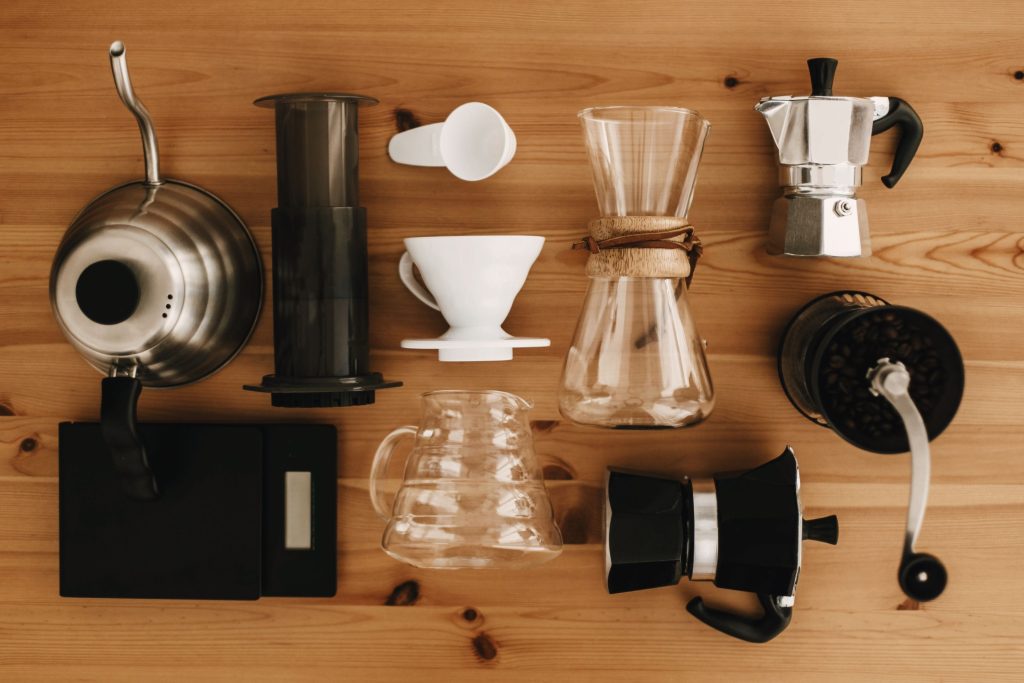
When I first started brewing coffee at home, I thought better coffee meant better machines.
So I bought things.
Then I bought more things.
What I eventually learned is this: most coffee gear doesn’t improve your coffee on its own. It only helps once you already understand what you’re doing and even then, only the right tools matter.
This page isn’t a shopping list.
It’s a guide to understanding which coffee tools genuinely help, when they’re worth adding, and when they’re just noise.
What “Coffee Gear” Means on DailyBrewFix
On this site, coffee gear doesn’t mean everything with a power cord.
It means the tools that support brewing, not the brewers themselves.
That includes:
- Coffee scales
- Kettles
- Espresso accessories
- Cleaning and maintenance tools
It does not include:
- Coffee grinders (those deserve their own dedicated guide)
- Brewing methods like French press or pour-over
If you think of brewing as the process, coffee gear is what helps that process become repeatable and less frustrating.
Coffee Scales: Consistency Beats Guesswork
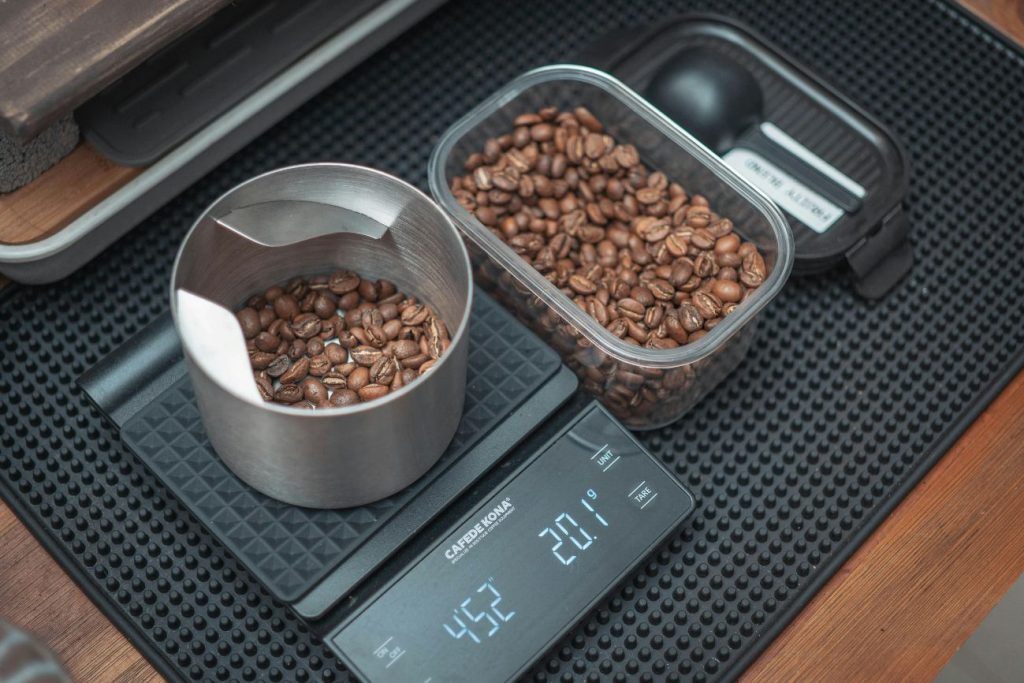
A coffee scale was the first piece of gear that actually changed how my coffee tasted, not because it was fancy, but because it removed guessing.
Scales help you:
- Repeat a good cup
- Control coffee-to-water ratios
- Adjust strength intentionally instead of randomly
You don’t need extreme precision.
You just need a scale that’s responsive, reliable, and easy to use.
If you brew pour-over or espresso regularly, a scale quietly becomes one of the most useful tools on your counter.
If you’re still learning ratios and grind size, it helps everything else make sense faster.
If you want to go deeper, we break down what actually matters in a coffee scale separately.
Coffee Kettles: Control, Not Obsession
Kettles are often marketed as essential. They aren’t unless your brewing method benefits from control.
Kettles matter most when:
- You brew pour-over coffee
- Flow rate affects extraction
- You want repeatable results
They matter much less for:
- French press
- Moka pot
- Automatic coffee makers
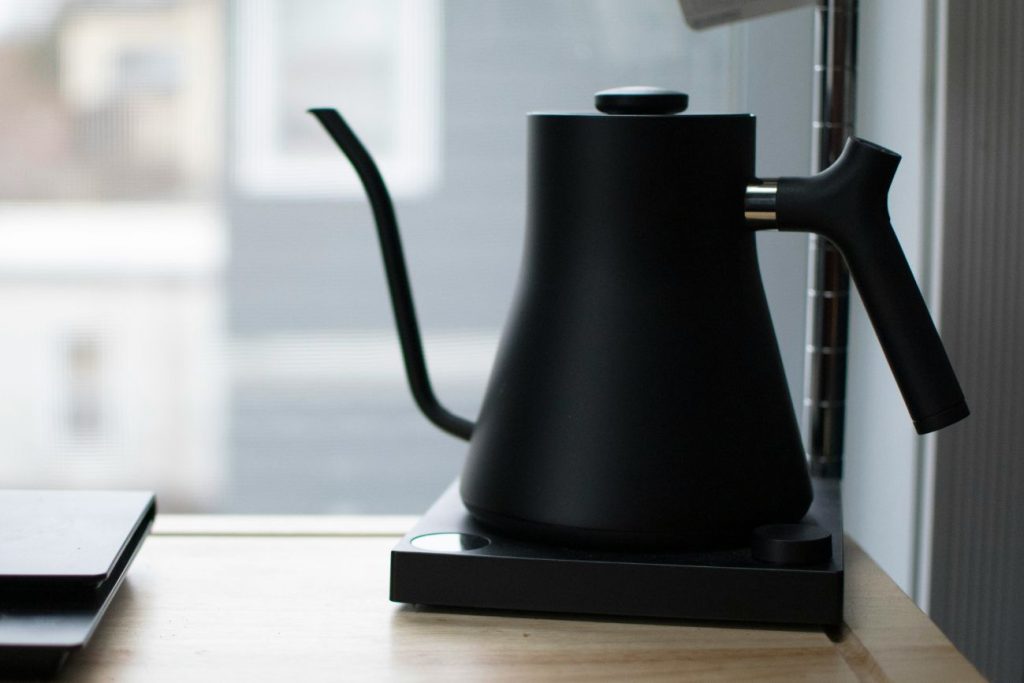
Electric kettles add convenience.
Stovetop kettles add simplicity.
The better choice isn’t about features, it’s about how calmly a kettle fits into your routine.
We’ve compared the two approaches in detail for people deciding between them.
Espresso Accessories: Small Tools That Reduce Frustration
Espresso doesn’t forgive inconsistency.
That’s why espresso accessories exist, not to improve flavor magically, but to make the process less chaotic.
Tools like:
- Tampers
- Distribution tools
- Dosing funnels
don’t make espresso better on their own.
They make it more repeatable, which is where most home espresso frustration comes from.
If you pull espresso occasionally, you don’t need much.
If you pull espresso daily, the right accessories quietly save time and mental energy.
We treat espresso tools as problem-solvers, not upgrades.
Cleaning & Maintenance Gear: The Unsexy Difference
Old coffee oils change flavor slowly, so slowly that most people don’t notice until their coffee feels dull.
Cleaning and maintenance tools don’t improve coffee overnight.
They prevent good coffee from getting worse.
This includes:
- Cleaning tablets
- Descaling solutions
- Brushes and cloths
- Replacement seals and gaskets
If your coffee used to taste better than it does now, maintenance is often the reason, not beans, grinders, or recipes.
This is one of the least exciting parts of coffee, and one of the most important.
How Coffee Gear Fits Into the Bigger Picture
Coffee gear works best after a few fundamentals are already in place:
- You understand your brewing method
- You have a grinder you trust
- You know what kind of coffee you enjoy
If any of those are missing, buying more gear usually adds confusion, not clarity.
That’s why we treat coffee gear as support, not the starting point.
If you’re still early on, the beginner coffee setup guide shows what’s actually worth focusing on first and what can wait.
A Simple Rule for Buying Coffee Gear
Here’s the rule I wish I’d followed earlier:
Only buy coffee gear to solve a problem you can already describe.
Examples:
- Inconsistent pour-over results → a scale or kettle helps
- Messy espresso prep → a dosing funnel helps
- Coffee tasting flat over time → cleaning tools help
If the problem isn’t clear yet, waiting is usually the smarter move.
Good coffee setups grow slowly, and that’s a good thing.
Where to Go Next
Depending on what you’re working on right now, these guides may help:
- Learning how different methods work → explore our Brewing Methods
- Improving grind quality → see our Coffee Grinders Guide
- Starting from scratch → read the Beginner Coffee Setup guide
Each of these pages connects back to coffee gear in different ways, but none of them require buying more than you need.
Final Thoughts
Coffee gear doesn’t need to be complicated to be useful.
A few well-chosen tools can make brewing calmer, cleaner, and more consistent without turning coffee into a constant upgrade cycle.
That’s the approach we take here:
add gear slowly, with intention, and only when it earns its place.
- What “Coffee Gear” Means on DailyBrewFix
- Coffee Scales: Consistency Beats Guesswork
- Coffee Kettles: Control, Not Obsession
- Espresso Accessories: Small Tools That Reduce Frustration
- Cleaning & Maintenance Gear: The Unsexy Difference
- How Coffee Gear Fits Into the Bigger Picture
- A Simple Rule for Buying Coffee Gear
- Where to Go Next
- Final Thoughts
- Related Articles
Related Articles
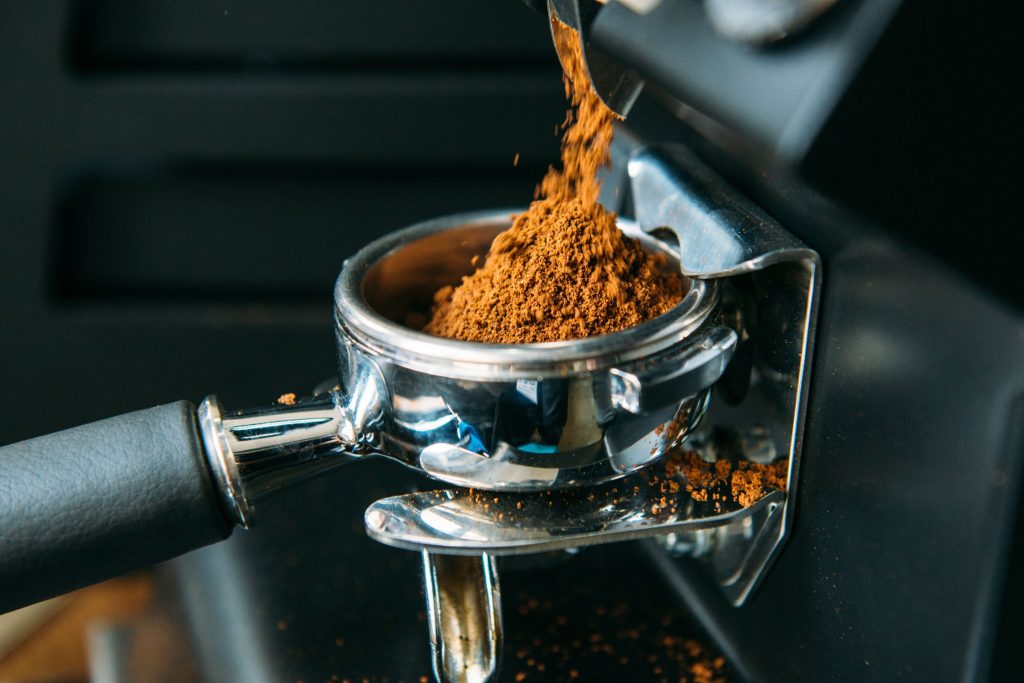
What is a Portafilter? A Beginner’s Guide to Espresso Parts
Have you ever seen an espresso machine working? If you have, you must have wondered…
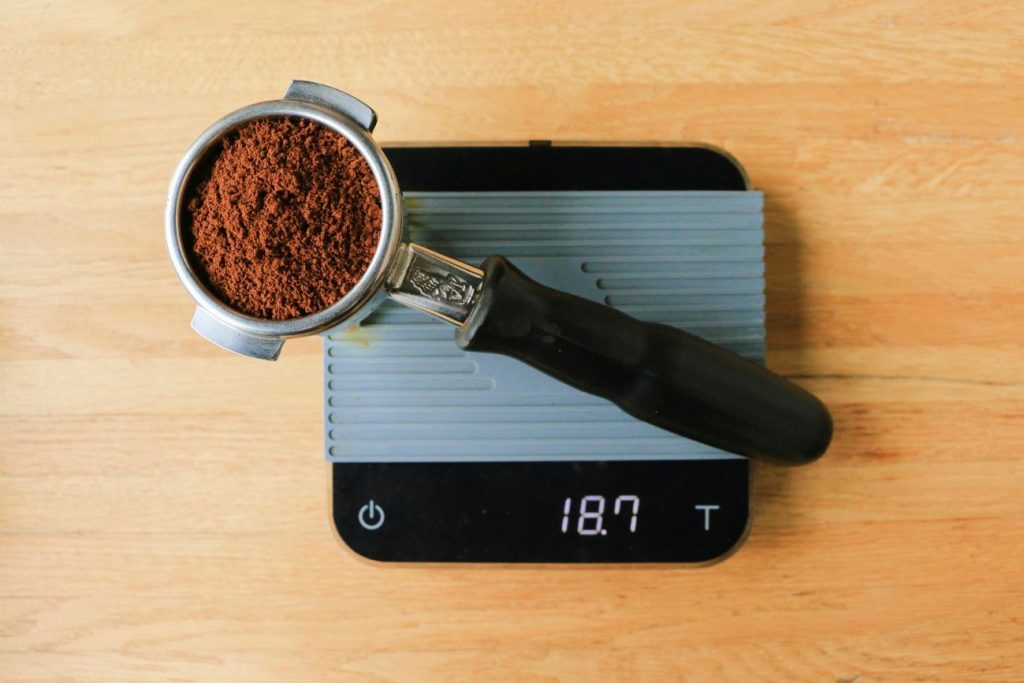
The 5 Best Coffee Scales for Home Brewing and Why You Need One
The majority of people question why they need a scale for coffee as they can…
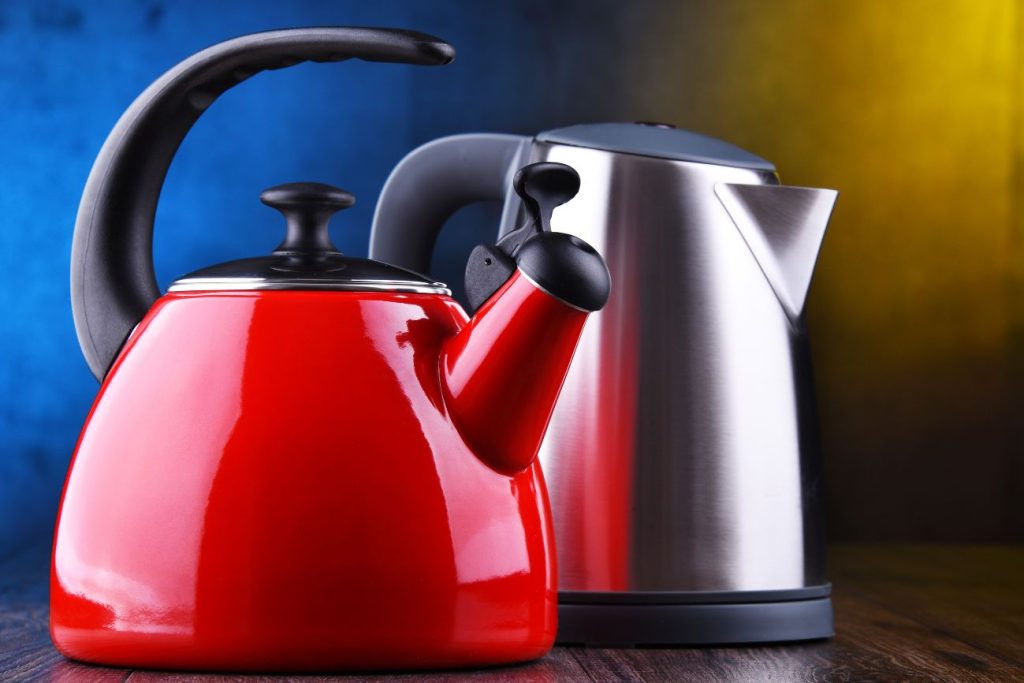
Electric vs. Stovetop Kettles: How to Choose the Best One for Your Coffee
Making coffee is a big game. You don’t need the right quantity of coffee and…