

Learn Coffee: How Coffee Actually Works at Home
Making better coffee at home usually is not about buying better gear.
Most of the time, it comes down to understanding how coffee behaves, and why small changes can completely change the cup in front of you.
I have watched people struggle with home brewing for years. Not because they were careless or doing something advanced incorrectly, but because no one ever explained the basics clearly. Coffee often gets taught as a collection of rules or products, not as a system you can understand and adjust.
This page is where we slow things down.
The goal here is not to tell you what to buy. It is to help you understand how coffee behaves, why it tastes the way it does, and how small, intentional adjustments can improve your results at home.
If you are curious, a little confused, or simply want better coffee without turning it into a technical hobby, this is the right place to start.
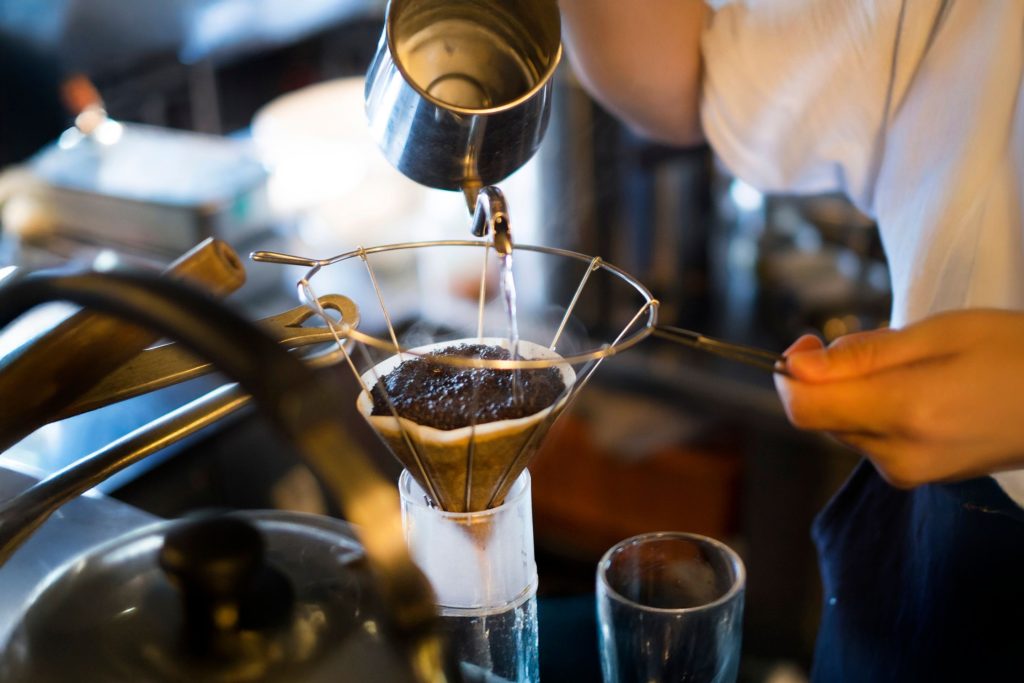
What You’ll Learn Here
There’s no single path to better coffee.
Some people improve their coffee by switching beans.
Others fix everything by adjusting grind size.
Some realize their routine was inconsistent all along.
This section is designed so you can:
- Learn coffee funadamentals at your own pace
- Revisit concepts as your experience grows
- Understand why adjustments work, not just what to change
If you are new to home brewing, this page gives you a clear foundation.
If you have already been brewing for a while, it helps connect ideas so adjustments feel more intentional.
You do not need to read everything in order. Think of this as a reference you come back to when something feels off.
Here’s what each part helps you learn.
Coffee Basics: Understanding What’s in Your Cup
Before grinders, brewers, or setups, there is coffee itself. Many flavor problems come from misunderstanding what coffee is and how it behaves once water touches it.
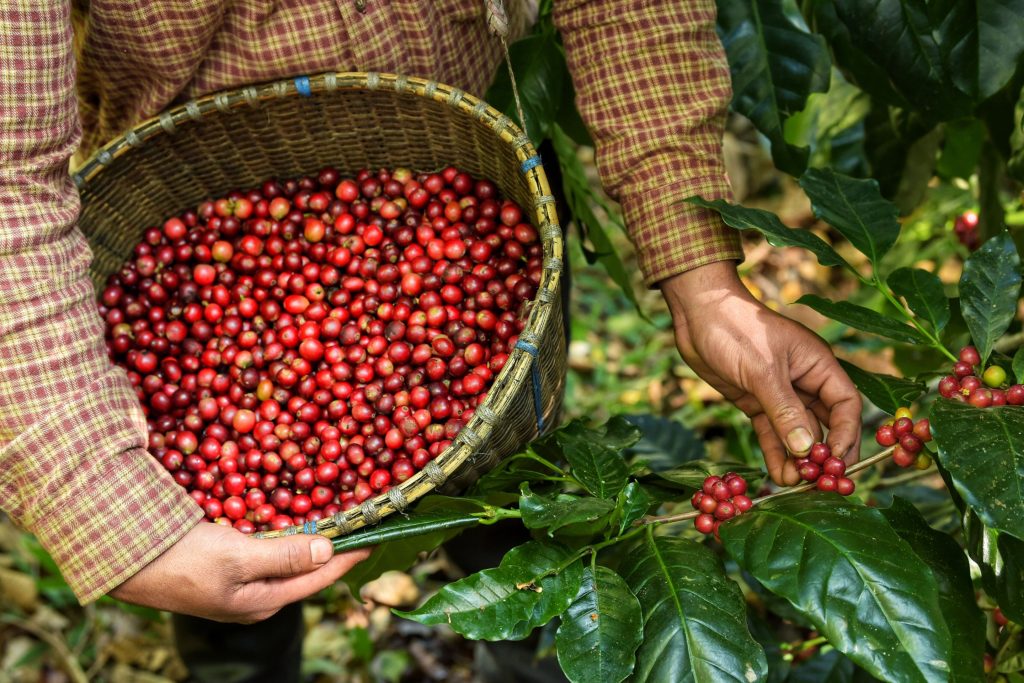
In this section, you’ll learn:
- How coffee roasting affects flavor, strength, and bitterness
- The difference between Arabica and Robusta beans and why it matters
- Why acidity in coffee isn’t a bad thing (and when it becomes a problem)
- How modern coffee culture differs from traditional brewing styles
This gives you context so later brewing advice makes sense instead of feeling random.
Common Coffee Problems (and Why They Happen)
If your coffee tastes bitter, sour, weak, or just “off,” you are not alone.
This section helps you understand:
- Why coffee tastes bitter
- Why coffee tastes sour
- Why coffee tastes weak or hollow
- The most common brewing mistakes people make at home
These pages help you answer:
“What went wrong?”
Not:
“What should I buy next?”
That distinction matters.
Brewing Control: Making Small Changes on Purpose
If you have been brewing for a while, you already know what grind size, water, and ratios are.
What most people never learn is how to use them deliberately.
The common mistake is not using the wrong grind or ratio.
It is changing multiple variables at once and never knowing which one actually fixed the problem.
This section helps you understand:
- How to identify which variable is actually causing an issue
- Why small grind changes often matter more than large ratio changes
- When water quality is the real limiter and when it is not
- How brew time interacts with grind instead of acting on its own
- What extraction means in practical terms, without theory overload
Once these ideas click, brewing methods stop feeling mysterious. You start adjusting with intention instead of guessing.
Taste and Feedback: Learning to Trust the Process
Better coffee is not about reacting faster.
It is about reacting less.
Once you understand the common ways coffee can go wrong, the next challenge is learning how to respond without overcorrecting. This is where many home brewers stall, not because they lack knowledge, but because they change too much at once.
Taste is feedback, not a verdict.
A cup that feels slightly off does not mean the process is broken. It usually means something small has shifted, often enough to notice but not enough to panic over. Learning to pause in that moment is what creates consistency over time.
This section is about developing restraint.
Instead of chasing fixes, the focus is on:
- Sitting with a result long enough to recognize patterns
- Making one intentional change rather than several reactive ones
- Accepting that not every cup needs improvement
- Trusting a process that works most of the time
You do not need to analyze every sip or name every flavor. What matters more is noticing trends across brews and giving adjustments time to show their effect.
As this skill develops, brewing becomes quieter. Fewer changes. Less second-guessing. More repeatable results.
That calm is not accidental. It is learned.
And once it becomes part of your routine, it carries across methods, setups, and kitchens without effort.
Brewing as a System (Not Just a Method)
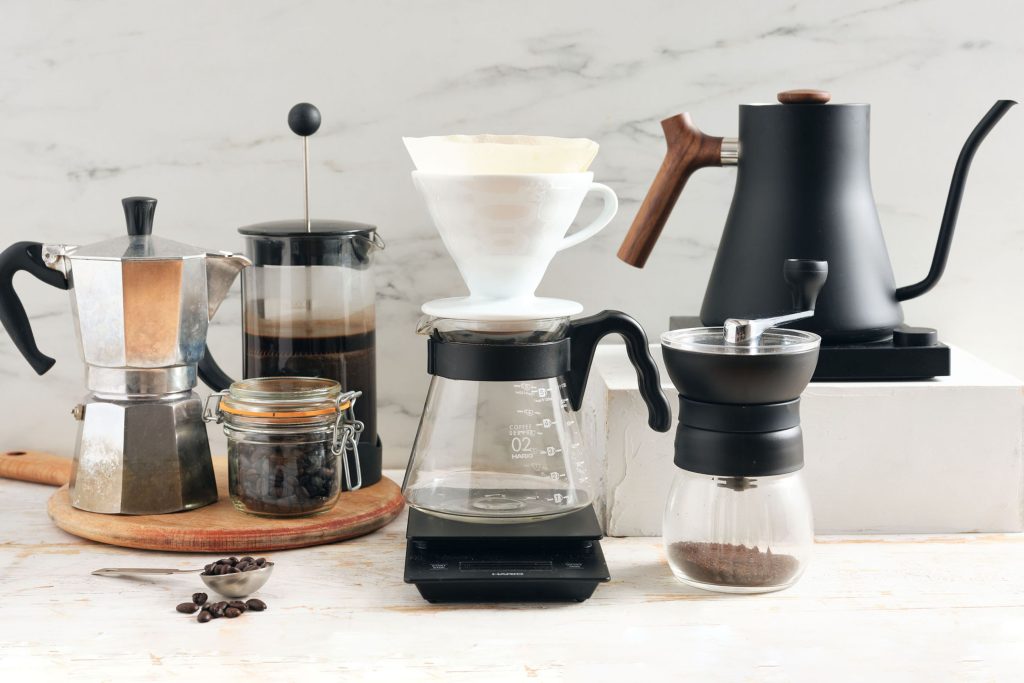
Brewing methods are tools, not personalities.
Once you understand how coffee behaves, methods stop feeling intimidating. You can choose them based on your routine instead of trends.
This section helps you understand:
For a wider view:
This helps you pick a method that fits your mornings, not trends.
Improving Coffee Without Buying New Gear
Some of the biggest improvements come from habits, not upgrades. Consistency, workflow, and small adjustments often matter more than equipment.
This section focuses on:
- Simple habits that improve consistency
- Reducing small sources of variation
- Knowing when to leave a process alone
Many beginners see the biggest improvement here.
When Learning More About Gear Makes Sense
Gear does matter, but only when it solves a specific limitation. If you’re thinking about upgrading, start with understanding why.
This section helps you understand:
- When upgrading actually makes sense
- Why grinders matter more than most machines
- Best coffee grinders for home
If you’re considering buying one check this – Best coffee makers for home
This keeps upgrades intentional instead of impulsive.
New to Home Coffee?
If you are here because you want to start brewing at home and feel overwhelmed, you do not need to master everything above.
Once you understand the basics, the next step is choosing a simple setup that fits your space, budget, and routine.
Beginner Coffee Setup: What to Buy (and What to Skip) When Starting at Home
That guide focuses on decisions.
This page helps you understand why those decisions work.

Final note
You don’t need to master everything here.
You just need a place that explains coffee clearly, and still has something to offer as your experience grows.
Good coffee doesn’t require a trained palate.
It requires paying attention in a simple, repeatable way.
That’s what Learn is for.
- What You’ll Learn Here
- Coffee Basics: Understanding What’s in Your Cup
- Common Coffee Problems (and Why They Happen)
- Brewing Control: Making Small Changes on Purpose
- Taste and Feedback: Learning to Trust the Process
- Brewing as a System (Not Just a Method)
- Improving Coffee Without Buying New Gear
- When Learning More About Gear Makes Sense
- New to Home Coffee?
- Final note
- Related Articles
Related Articles

Amazon Black Friday 2025: The Coffee Gear Actually Worth Buying
Look, I get it. Black Friday can feel overwhelming with deals popping up everywhere, and…

9 Healthy Coffee Recipes (That Actually Taste Good)
If you love your rich and sweet morning coffee but have recently started a new…

A Pilgrimage to Nattejoa (나떼조아): Why This Seoul Coffee Shop Is a Revelation
A Coffee Lover’s Dream: My Trip to Nattejoa in Seoul Let me be clear about…

I Finally Understand the 7 Brew Hype
You’ve probably seen the small, stylish blue and black drive thru stands that seem to…

What is Viking Coffee? (And How to Make the ‘Fix-It’ Recipe)
Viking Coffee is a coffee served at Kringla Bakeri Og Kafe, a bakery and café…

Is 4th Wave Coffee the Future? A Complete Guide of First to Third Wave Coffee
If you’ve heard the term “4th wave coffee” and don’t know what it means, or…