It’s the worst way to start the day: you take a sip of your fresh coffee and… it’s sour, tangy, or puckery, like a lemon.
The good news? This is the easiest problem in coffee to fix.
If you taste sour coffee is because of under-extraction. This simply means the water didn’t have enough time or power to pull all the good stuff (sugars and oils) out of the coffee grounds.
Before talking about how to fix the sour coffee, let’s check if your coffee is really sour or just fruity.
First: Is It Sour or Just Fruity?
This is the most important question in coffee. Confusing these two is the #1 frustration for new brewers.
SOUR (A Flaw)
This tastes like unsweetened lemon juice or an unripe strawberry. It’s a sharp, “thin,” and unbalanced flavor. It means your brew is under-extracted.
FRUITY (A Flavor)
Tastes like a ripe raspberry, or a sweet orange. It’s a bright, lively, and balanced flavor that has sweetness. This is a desirable trait called “acidity” from the bean itself.
The 1-Minute Test to Know for Sure
: Brew another cup of coffee, but change only one thing
– Grind your beans finer.
- Did it taste sweeter and more balanced?
– Success! It means your coffee was SOUR because of that. You’re now on the right path.
- Did it taste worse (maybe bitter) or that same sharp note is still there?
– You are tasting the bean’s natural FRUITY ACIDITY. You didn’t have a problem to fix. If you don’t enjoy that flavor, you should try a different, less acidic coffee bean, like a medium roast from Brazil.
The 3 Ways to Fix Sour Coffee
So, you’ve confirmed your coffee is sour. This means it’s under-extracted as I mentioned.
Think of it like toasting bread. If you pull it out too early, it’s just warm and doughy. Your water didn’t have enough time or power to pull out all the sweet, balanced flavors, so it only grabbed the sour ones.
Here are the fixes, in order of importance.
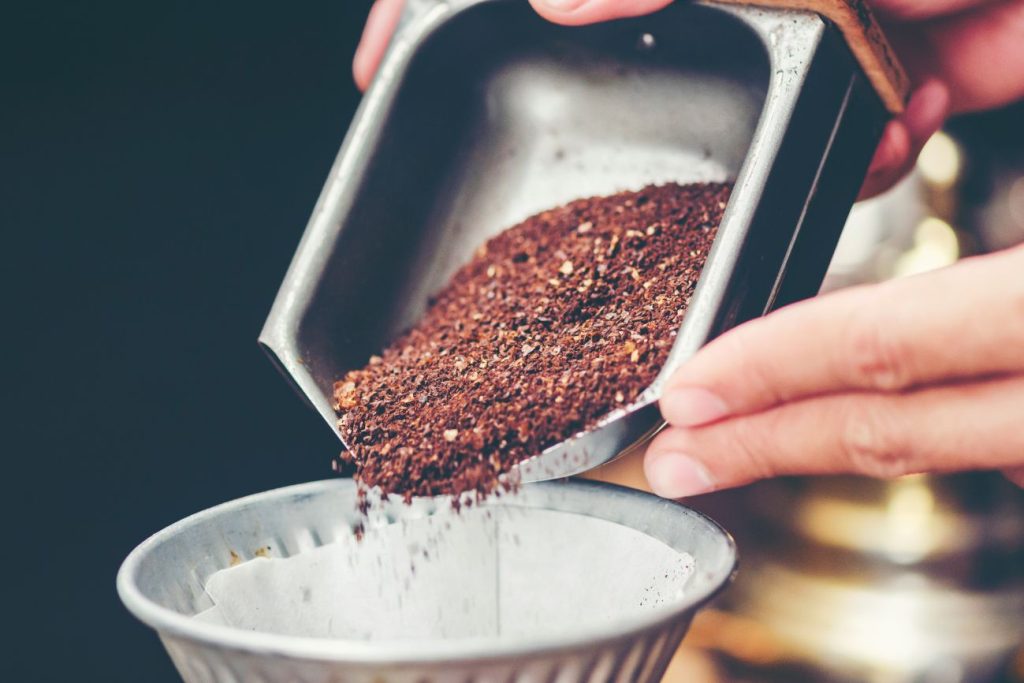
This is the most common fix. A finer grind is like turning gravel into sand, you create a ton more surface area for the water to grab onto. More surface area = more extraction = less sourness. Try grinding one or two clicks finer on your grinder.
This gives the water more time to do its job. If you’re using a French Press, let it steep for an extra 30-60 seconds. If you’re doing a pour-over, slow down your pour.
– For Pour-Over, pour your water slower to increase the total brew time.
– For French Press/AeroPress, let it steep for an extra 30-60 seconds.
Water is a solvent, and hotter water is a stronger solvent. Most coffee brews best between 195-205°F (90-96°C). If your water is too cool, it’s ‘weak’ and can’t pull the sweetness out, leaving you with sour acids.
The 60-Second Science Fix (What is Under-Extraction?)
Coffee extraction is a race. The first things to dissolve are the bright acids (which taste sour). The last things to dissolve are the deep, heavy compounds (which can taste bitter). A ‘perfect’ cup is one where you stop the race right in the middle, balancing the acids with the sugars. A sour cup means you stopped the race too early.
Where to Go From Here
Your grinder might be the problem. A poor-quality blade grinder can’t create consistent grounds. See our Guide to the Best Grinders.
Ready to perfect your brew?
Now that you can control extraction, it’s time to master your method. Visit our Brewing Methods to learn the perfect recipe.
Was your coffee bitter instead?
Sometimes over-correcting for sourness leads to bitterness. Let’s fix that next. Read: How to Fix Bitter Coffee.